
I remember freezing behind a bookshelf as the spotter’s footsteps slowed to a stop. My paint job pooled like a spilled can of paint and for a second I could feel the round slipping away. You have that same quick panic when a searcher gets close—you want calm, not scraps of luck.
The room tells you where players will start searching. Best spots to hide in Meccha Chameleon
I play with the assumption that the first sweep is predictable: routes, bright corners, and the obvious shelves. You and I both know painting well is half the battle—the rest is choosing a spot that bends the spotter’s expectations. Below I list places that repeatedly turn rounds in your favor, with small tricks that work on Steam and Nintendo Switch matches, and in streams where pro players push odd tactics.
Where is the best place to hide in Meccha Chameleon?
Short answer: the places players skip because they look too plain. You want spots that reward patient camouflage—book spines, tiles, and shadow seams. Use frequent quick glances to match nearby colors, then hold still: movement is what gives you away far more than a bad paint job.
You notice the mansion smells of dust and old paper as soon as you enter. Hide-and-Seek Mansion
Real players sprint to bright, open rooms first. Use that. If they clear the foyer, they often skim the visible shelves and move on—so small blind spots become gold. My favorites here:
- The Library: Crouch between books and match the nearest spine. The moment a searcher assumes you’re behind the bulky volumes is when you should be inside them.
- Bathroom Tiles: Paint to match grout lines and stay very still. Searchers glance for movement more than for color mismatches in tight spaces.
- The Ceiling: Lie on a pillar beam and keep your silhouette aligned with the architecture. Search patterns rarely include overhead checks, so this spot pays off.
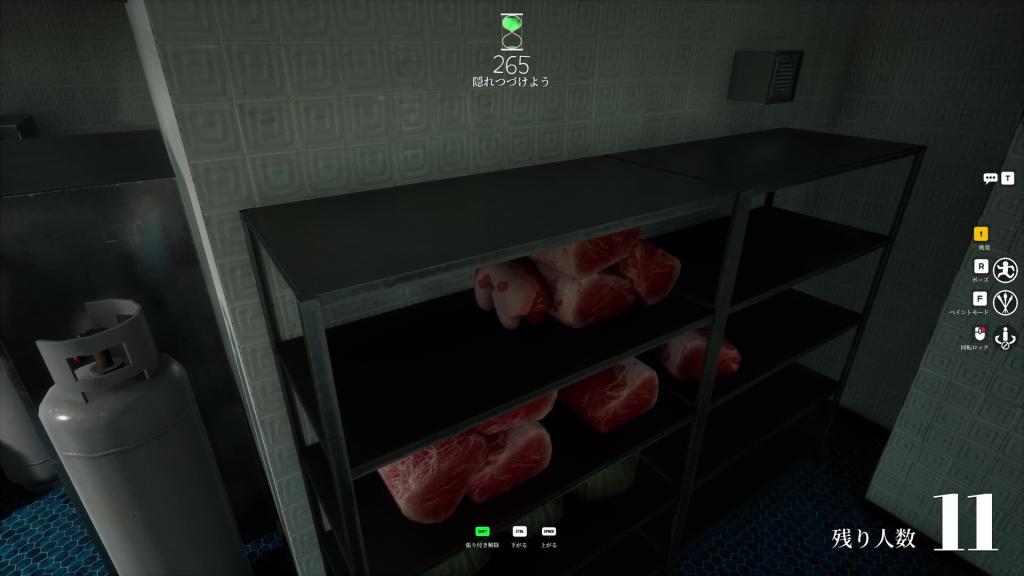
- The Kitchen Shelves: Empty shelves are tempting to search, which makes the back corners perfect—stay tucked and avoid the edge.
You can hear the drip and metal echo before you see the map. Sewer
Most players treat the Sewers as a rush-through; they run from light to light to get it over with. That rush creates predictable blind zones you can use.
- Red Barrels: Hide behind or on top of them to break a searcher’s rhythm.
- Graffiti Walls: Paint over tags and tuck into the paint layers—this confuses the eye and forces longer scans.
Can you hide on the ceiling in Meccha Chameleon?
Yes. Ceiling spots work because humans scan horizontally more than up. Attach to beams or lie along pillar seams and keep your color consistent with overhead textures.
You smell straw and engine oil when you step inside. Indoor Country
Players tend to clear obvious cover first—the crates and open barn—then slow down. That pause is your window.
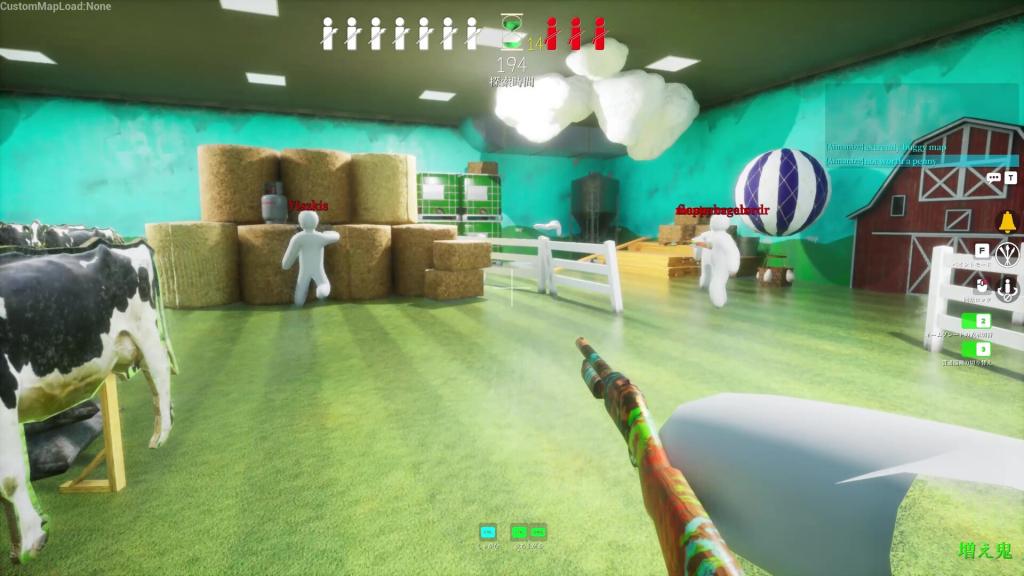
- Green Crates: Slide behind the slats and match the crate paint. Crates get glanced over quickly; be the thing they skim past.
- Hay in the Barn: Tuck behind the bales—here you are literally a needle in a haystack, and that makes the spot surprisingly safe.
- Ceiling Cutouts: Use wall cutouts or ceiling ledges to keep a low profile while still seeing exits.
The fluorescent hum in Backrooms makes you move differently. Backrooms
The sterile lighting forces searchers to rely on outlines and contrast. That makes tight, oddly shaped cover better than big, obvious objects.
- The Chair: The chair looks exposed but its legs and gaps break your silhouette—use that. Hold position and match surrounding colors.
- Behind the Exit Sign: Small voids behind signage are often skipped during quick sweeps; use them if the map funnels traffic away.
How do you hide effectively in Meccha Chameleon?
Paint to match your immediate surroundings, hold still, and pick spots that force a searcher to change angle to find you. Practice on local matches and watch a few Twitch clips of experienced players to see common search patterns; those clips teach you where players pause and where they rush.
Ready to test these spots and flip the script on anyone who thinks they’ve seen you?