They left the FDCEA on a shelf until the dust told the story. You could almost hear the silence inside agencies where a rule once nudged every server room toward greener choices. I watched plans and safeguards evaporate in public view, like a pressure cooker under a slow-release valve.
I follow these threads so you don’t have to read the fine print alone. What feels like a technical lapse is a political decision with real consequences for water, power, and neighborhoods where AI data centers are sprouting.
At a GSA office last week, someone whispered that a rule might simply die
On the floor of the General Services Administration, an employee told reporters they’d never seen a data center policy reach expiration without a replacement in motion.
The Federal Data Center Enhancement Act, passed as part of the 2024 National Defense Authorization Act, set guardrails: cybersecurity reviews, certified energy-efficiency assessments, and requirements to weigh energy and water use for new federal data centers and major upgrades. Now, sources tell Wired the statute looks likely to lapse at the end of September with no public plan to renew or replace it.
I want you to grasp what that means. Without FDCEA’s guidance, agencies may have more latitude to approve projects without standardized audits — and that creates a scramble for local officials, utilities, and community groups to pick up the slack.
Outside agency halls, planners were already required to call certified specialists
In agency corridors, implementation memos from the Office of Management and Budget insisted on energy-efficiency reviews before breaking ground.
OMB’s implementation guidance instructed agencies to arrange assessments from certified data center energy-efficiency specialists and to factor energy and water use into designs. That guidance threaded federal procurement through technical checklists and vendor oversight — a modest but meaningful set of constraints when data centers grow to the size of small towns.
With FDCEA set to expire, you should expect friction: procurement teams facing unclear standards, contractors pushing aggressive timelines, and technical advisers sidelined while policy teams decide whether to rewrite the rules or walk away.
What is the Federal Data Center Enhancement Act?
FDCEA is a 2023 law that required federal agencies to meet specific standards for cybersecurity, energy, and water planning when building or upgrading data centers. The goal was to create a predictable federal baseline for how data centers are designed, audited, and certified before construction or major upgrades proceed.
What happens if FDCEA expires?
Without renewal, the formal federal requirements fall away, leaving guidance from agencies like OMB less anchored in statute. That may accelerate project approvals in the near term while increasing political battles at the local level over utilities, permits, and environmental impact.
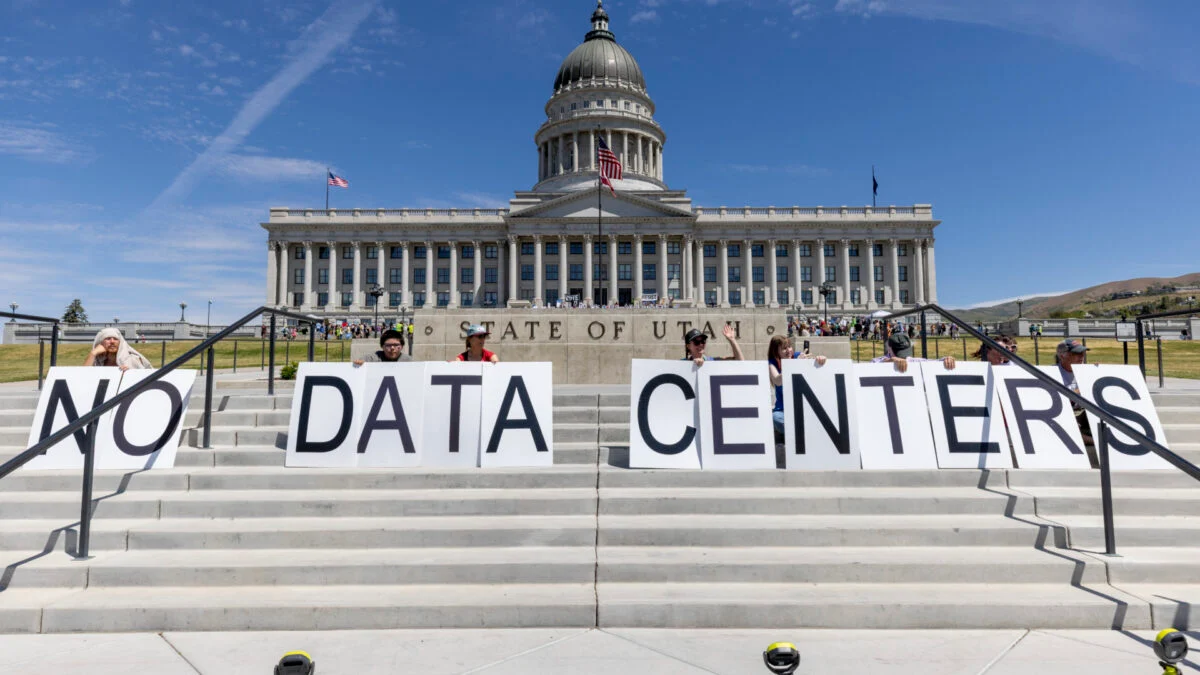
At town halls and planning boards, residents are pushing back hard
At zoning meetings across the country, citizens showed up by the dozens to ask tough questions about water use and power strain.
Local resistance is no longer hypothetical. A March Gallup poll found seven in 10 Americans oppose constructing AI data centers in their area, with 48% strongly opposed and 46% worried a great deal about environmental impacts. Activists and high-profile figures — even Erin Brockovich — have started crowdsourced maps and campaigns tracking community concerns. Those campaigns, paired with successful local fights, have already forced companies such as Google to withdraw certain proposals, according to reporting from Data Center Dynamics.
You can see the tug-of-war: an administration that treats AI expansion as a strategic advantage, and communities alarmed at the local costs. The result is a patchwork of approvals and rejections rather than a single national standard.
Inside the administration, officials are pausing some oversight tools
At the Center for AI Standards and Innovation, staff were instructed to hold public reports while a new executive order takes effect.
The White House directed CAISI to pause its public model-review reports as President Trump’s latest AI executive order is implemented. The order calls for a voluntary framework giving federal reviewers access to frontier models up to 30 days before wider release, a deadline shortened from an earlier reported 90-day proposal. That tone — permissive toward industry timelines — mirrors the larger hands-off stance toward data center oversight.
When federal review windows narrow and statutory guardrails fade, the private sector gains leverage. You should understand that this dynamic shifts risk: faster deployments, less transparency, and more pressure on local infrastructure.
At community maps and reports, the stakes are visible and emotional
A volunteer using a simple mapping tool can show you clusters of proposed AI facilities and dozens of complaints in a single view.
These maps, coupled with grassroots mobilization, turn abstract policy debates into stop-the-project campaigns. They amplify ordinary concerns — potable water, grid stability, traffic — into organized opposition that can blunt or halt large developments. In some cases, public opponents have already triumphed in zoning fights, demonstrating that local power can still matter even when national policy recedes.
Letting FDCEA lapse is like pulling a loose thread on a large sweater: the unraveling starts small and then expectations shift across agencies and communities.
I’ve tracked federal tech policy through administrations, and I want you to ask the right questions of your representatives and local officials: Who will audit energy and water use if not the feds? Who will review cybersecurity controls? Who pays if infrastructure buckles under demand?
Wired and other outlets reported that the White House and OMB did not immediately respond to requests for comment, leaving an information gap where policy certainty should sit. If you care about how AI infrastructure grows near you, now is the moment to press for clarity — because silence feels a lot like permission, and permission can be expensive; is that a risk you’re willing to accept?