I sat through a one-minute Nintendo Direct teaser and felt my chest tighten. Link lay asleep on a grassy bank and the trailer refused to give more. For a second 26 years collapsed into a single breath.
At the June 2026 Nintendo Direct a one-line tease did more than hint — The Legend of Zelda Ocarina of Time: Release Window, Gameplay, and More
I follow Nintendo Directs the way others follow weather reports: I want to know what’s coming before the rest of my friends text me. The headline is simple: Nintendo confirmed a full remake of The Legend of Zelda: Ocarina of Time for Nintendo Switch 2, slated for release in 2026. No exact date yet, and Nintendo has framed it as an exclusive title for the new console.
At the Direct the footage was short but the message was clear — Release Window
You should treat the 2026 tag as a firm window from Nintendo, not a launch-calendar guarantee. Big first-party projects often show up in a year label months or even weeks before a specific date lands.
When is the Ocarina of Time remake coming out?
Nintendo’s official line: 2026. The developer (Nintendo EPD and producer Eiji Aonuma’s team) has announced the game for Nintendo Switch 2 with no cross-platform plans mentioned. Expect the usual holiday-season chatter as the year progresses: trailers on YouTube, hands-on coverage at events, and previews from outlets like IGN and GameSpot.
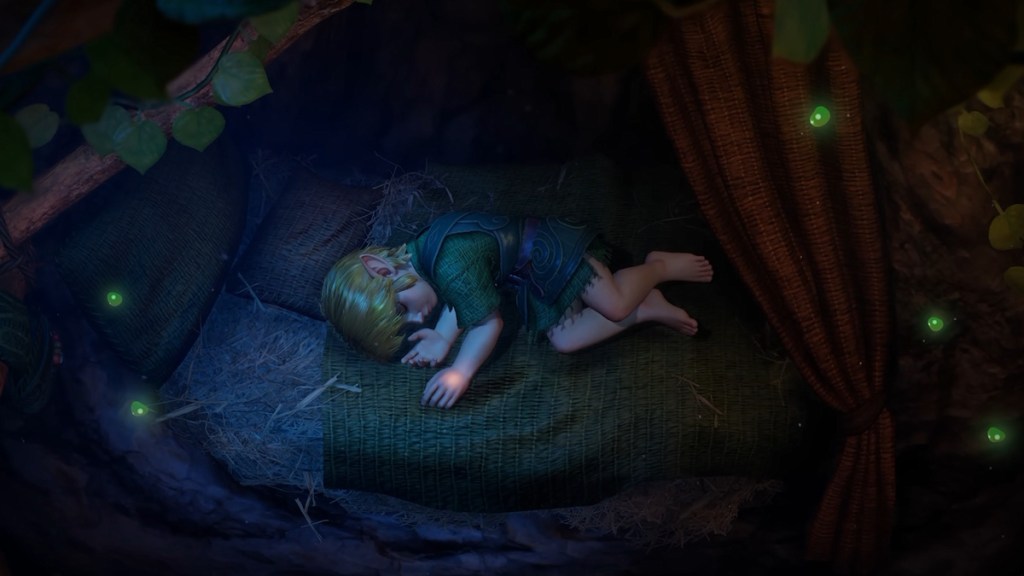
On social feeds the teaser exploded into theory threads — What to expect from gameplay and visuals
I asked myself the same thing you probably did: how far will Nintendo go? The announcement calls it a “full remake” with “stunning visuals, updated designs, and timeless gameplay.” That promises modern rendering, reworked character models, and control improvements tuned for the Switch 2 hardware.
What’s different in the Ocarina of Time remake?
Expect faithful reconstruction of the core story—Link’s journey from Kokiri Forest to facing Ganondorf—paired with modern camera work, smoother combat, and interface upgrades that match current Zelda entries. The comparison to Breath of the Wild is unavoidable: if Nintendo applies that level of environmental polish, the original dungeons and boss fights could live in a much more detailed, reactive world. Hyrule will spread before you like a weathered atlas reborn.
Across fan forums the first question is always platform availability — Platforms and exclusivity
Retail listings and news cycles move fast after a Direct. Right now the remake is attached to Nintendo Switch 2 and described as exclusive. Nintendo’s recent pattern has been to keep major Zelda releases on its own hardware.
Will Ocarina of Time be on other platforms?
Short answer: Nintendo has not announced any plans for non-Nintendo platforms. If you care about portability, keep an eye on official Nintendo statements and hardware announcements; outlets like Game Informer and Polygon will flag any change in distribution strategy.
When you think back to the original cartridge the memory is sharp — Why this remake matters
I grew up with the N64 version too, and the game’s pacing, puzzles, and boss architecture set a standard. This remake is two things at once: a technical challenge for Nintendo and a cultural test—how to serve nostalgia while making the game feel alive for new players.
Industry figures (Aonuma among them) know how history weighs on a project like this. You can expect debate over fidelity versus modernization—how much old-school design survives and how much is reworked for contemporary tastes.
If you grew up with the original, you’ll watch every trailer and read every preview. If you’re newer to Zelda, this is Nintendo presenting a polished entry point to one of gaming’s most influential titles. Will you be satisfied if Nintendo reshapes parts of a childhood classic, or should the remake keep every memory intact?