
He hears the cassette flicker in the dark and knows the stone in his chest is not just grief. The lights on the MOLE blink like a countdown. I want you to sit with that small, sickening certainty for a second.
The city lost power one night; MOLE story analysis: Themes, symbolism, lore, and monster
I have read radioactive lab reports and sat across from people whose memories are recorded on tape. You and I both sense the obvious: MOLE is a study in how guilt becomes a map and obsession becomes a compass. I’ll walk you through the timeline, the signal, and why the ending fractures moral certainty.
How does MOLE end?
Short answer: Viktor Kaminskyi reaches the signal and believes he saves his son, but the credits show he murdered his crew and released something onto the surface. The game stages the reveal like a slow autopsy—what you feel is not random, it is arranged to misdirect you until the last frame.

What is the White Rabbit in MOLE?
The White Rabbit behaves like a corrupted faith. STRATA calls it a signal; field notes call it “the choir below.” VOSTOK captures consciousness on blank cassettes. Neuralink-style parallels make the premise credible: people are already outsourcing memory to devices. In MOLE, that outsourcing becomes a listening post for something that waits beneath language.
What happened to the M-13 crew?
M-12 found the signal and stopped returning coherent reports. M-13 followed—Viktor, Bohdan, Stepan, Yosep—descending toward 8,700 meters. The closer they got, the worse their bodies became: hallucinations, tooth loss, fading sight. By the credits, the puzzle is blunt: the protagonist, driven by grief and a voice he trusted, killed anyone who resisted the mission.
A funeral bill arrived and a man signed a waiver; timeline summary
Real-world observation: debts make choices less free. Kaminskyi refuses STRATA, then joins M-13 after Petro dies and debts grow—39,000,000 ZEV is listed in files. You track dates and the mission: M-12 encountered the Matryoshka Incident; M-13 set out to find answers and instead found a signal.
- June 28, 1962 – Viktor Kaminskyi becomes a geonaut navigator.
- 1973? – M-12’s expedition.
- December 16, 1978 – Kaminskyi rejects Adamenko’s STRATA offer.
- January 2, 1979 – Petro’s sixth birthday.
- April 11, 1979 – The Matryoshka Incident. White Rabbit Signal is discovered.
- October 11, 1980 – Kaminskyi buys a VOSTOK cassette to preserve his son’s memories.
- August 29, 1982 – Kaminskyi’s debt balloons (39,000,000 ZEV).
- September 3, 1982 – Kaminskyi is forced onto M-13.
- November 9–11, 1982 – MOLE mission (M-13).
- February 14, 1983 – STRATA extracts M-13’s findings.
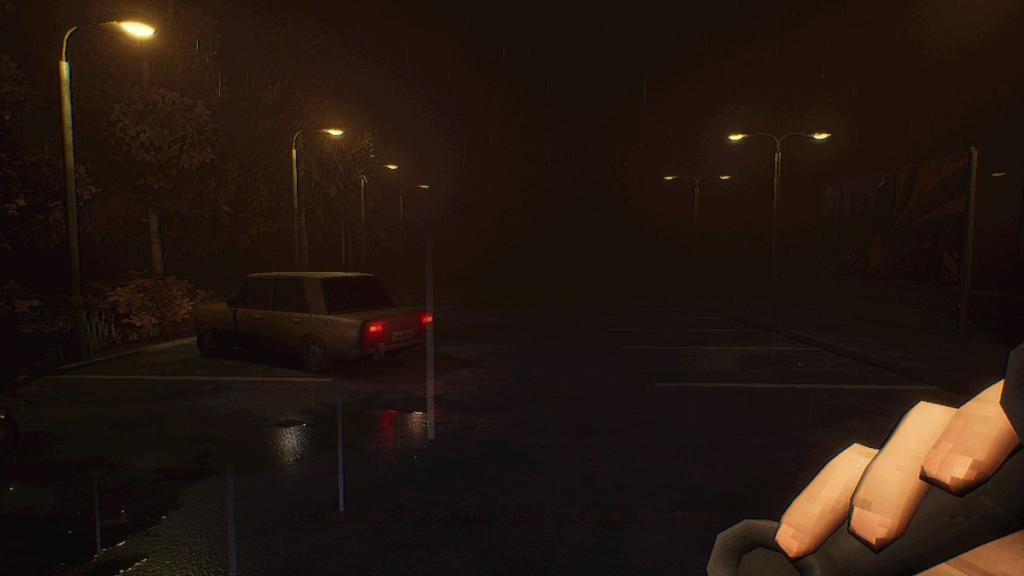
A hospital recorded a patient babbling in another tongue; the Matryoshka Incident
Observation: recorded symptoms don’t care about belief. The Matryoshka Incident released magma as Kaminskyi approached M-12. Fires flared on the surface. Petro died. Kaminskyi bought a VOSTOK cassette to immortalize Petro’s consciousness. VOSTOK is the game’s analog to real-world memory-capture experiments. Prolonged exposure warps people—what starts as mourning becomes a hallucination engine.
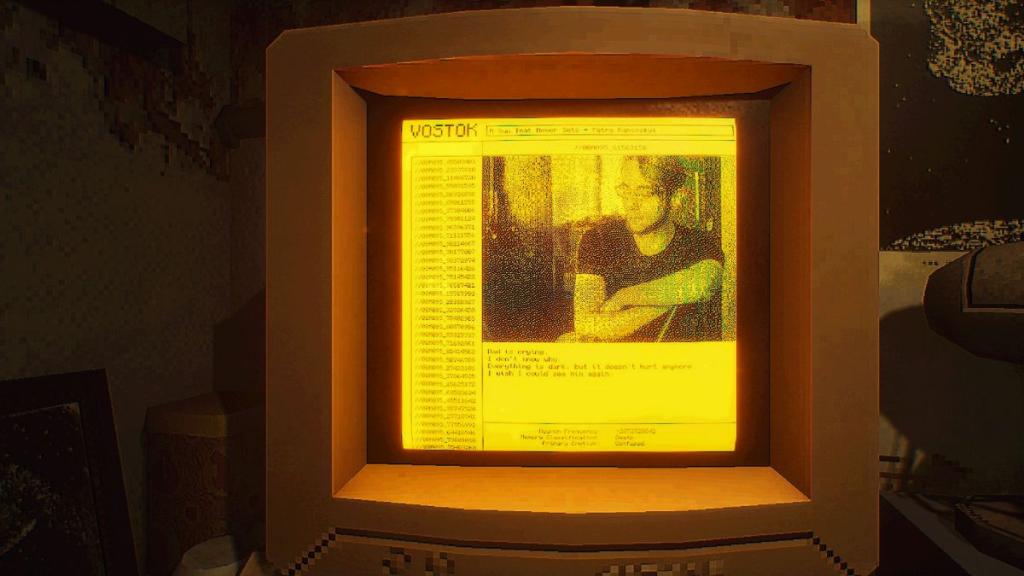
The M-12 log looked normal until it split; what is M-12?
Observation: official reports often stop before the horror does. M-12 uncovered the White Rabbit Signal. Taras Kaminskyi was on M-12; his choices shaped Viktor. STRATA funded those missions. The crew abandoned the surface and lost memory—did the signal rewrite them or free them from something worse?
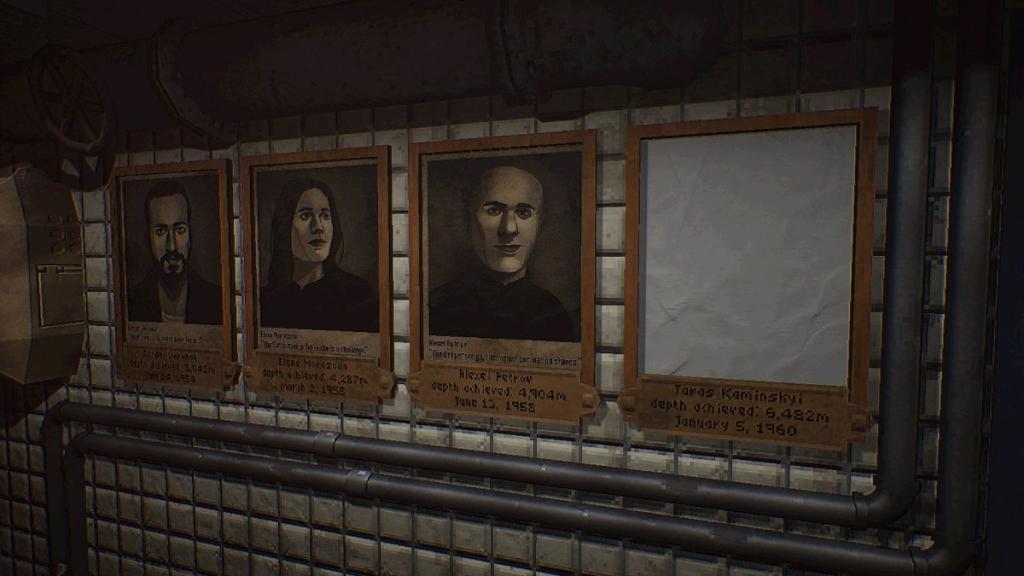
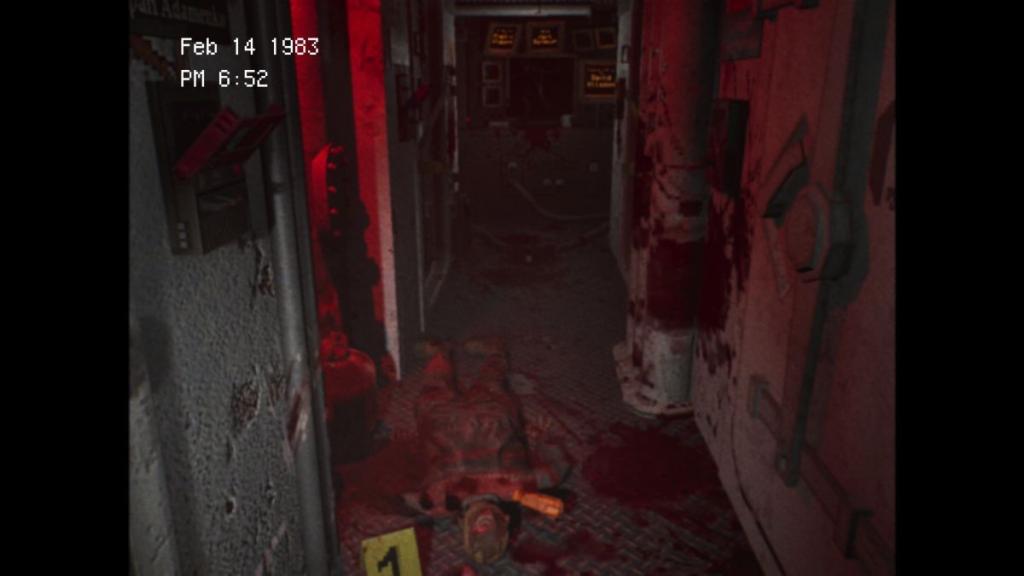
The crew stopped answering and a corridor filled with blood; what happened to the M-13 crew?
Observation: bodies tell the truth when memories do not. The M-13’s four men all reacted to the Signal differently. Adamenko hired Viktor despite concerns. As they descended, their symptoms became forensic clues. By the final reel, Kaminskyi—possessed by purpose or madness—kills the others to keep going.
A monitor flashed the phrase it waits; White Rabbit Signal
Observation: anomalies on instruments often precede human collapse. Hrytsenko found the signal after Matryoshka. Hospital 12 recorded Elena Morozova speaking in an unknown tongue; STRATA quarantined files. The Signal works as both stimulus and script: it repairs sight, feeds hope, then writes a new narrative into the mind that obeys it.
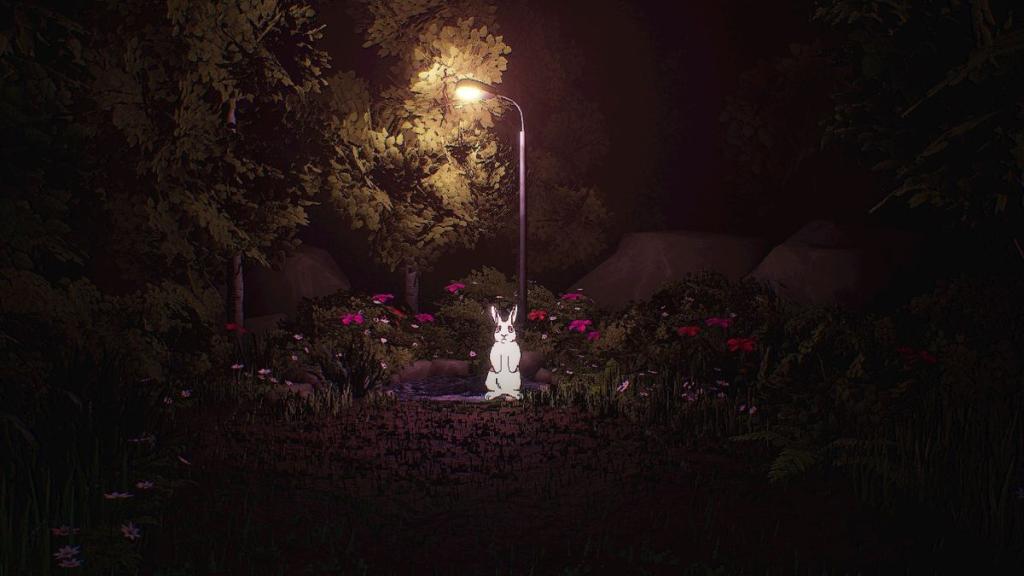
White Rabbit poses as an angel, trapped in stone, feeding off worship and attention. It masks itself in Petro’s cassette to haunt Viktor’s denial. That cassette is not a safe archive; it becomes a channel and a weapon. Think of it like a splinter under the skin—small, ignored, then inflammatory.
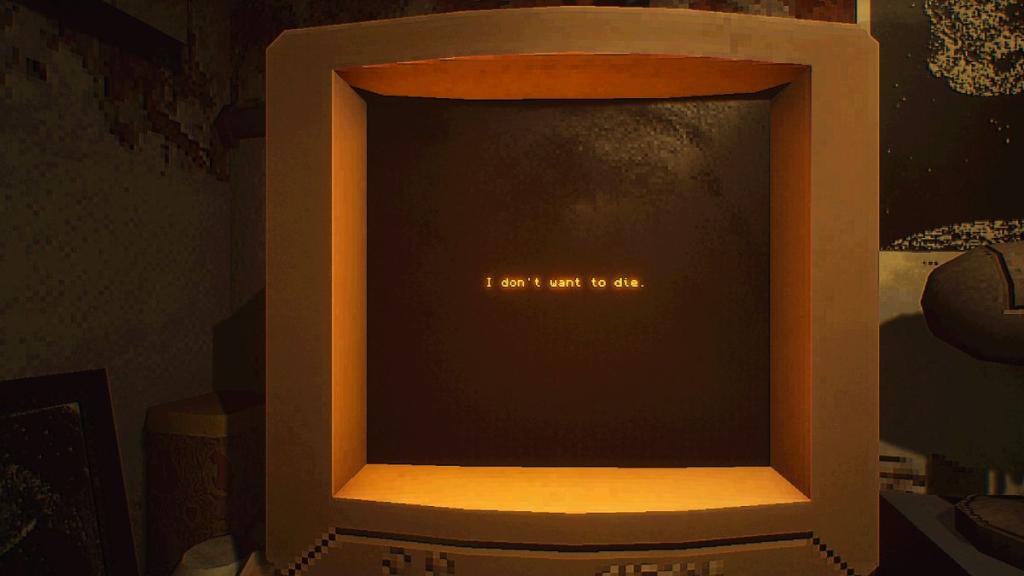
The final scene shows a meadow that never existed; MOLE ending, explained
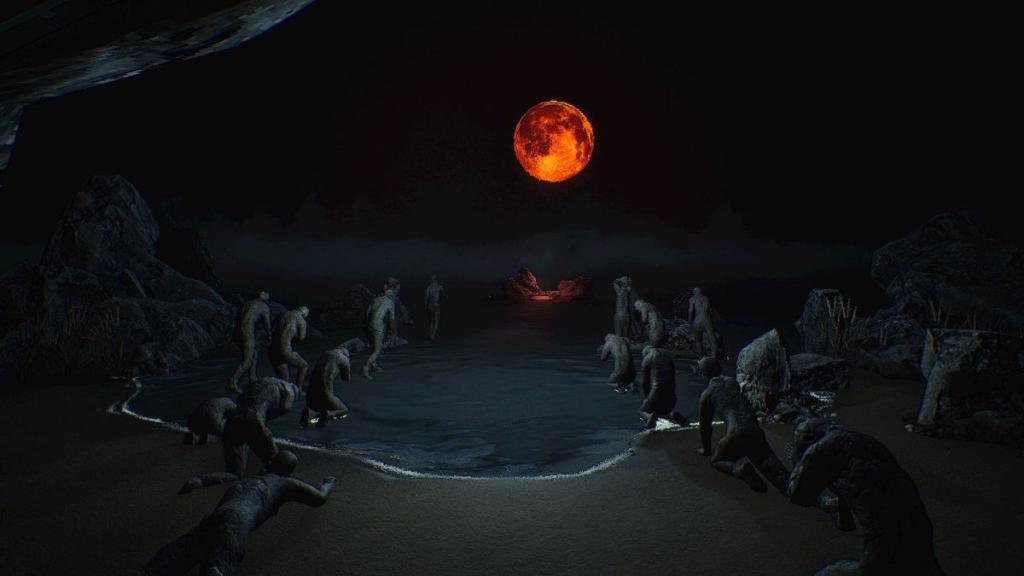
Observation: people often remember a single bright second when everything collapses. Kaminskyi reaches the White Rabbit, thinks he reunites with Petro, and overwrites the cassette with the signal. The credits then reveal his crimes and STRATA’s extraction: the signal’s voice is now on the cassette and the world changes when the tape plays on the surface.
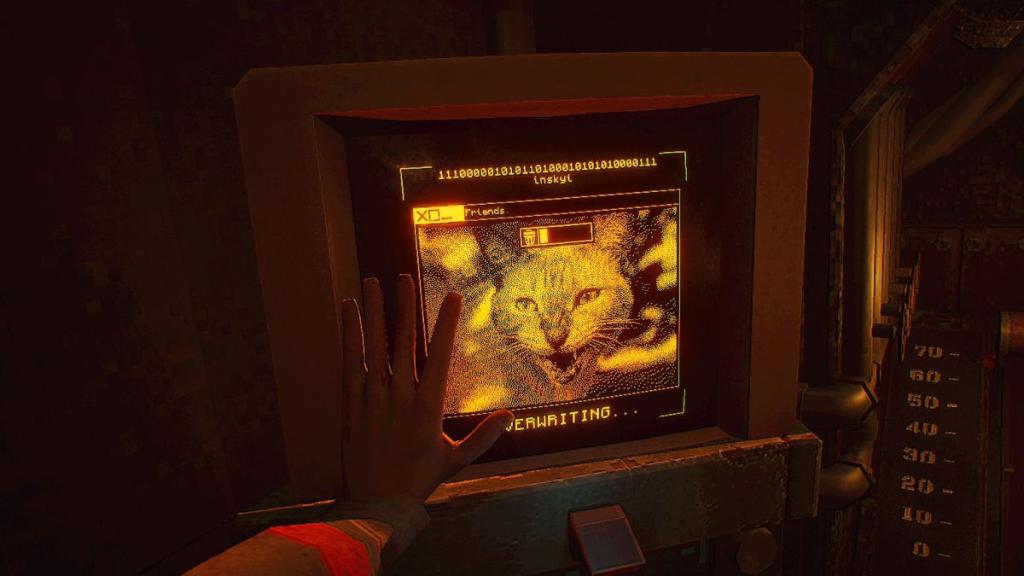
The cassette’s final log reads like a litany of excavation and imprisonment across centuries and then a prayer: “They called us angels… The choir is below. Heaven is empty.” When STRATA plays that tape, the surface changes: the moon reddens, time markers rewrite themselves, and the game’s save file becomes an instrument of contagion. The credits scene is a practical lesson in how technology—VOSTOK in MOLE, Neuralink in our imaginations—can carry memetic hazards when grief meets access.
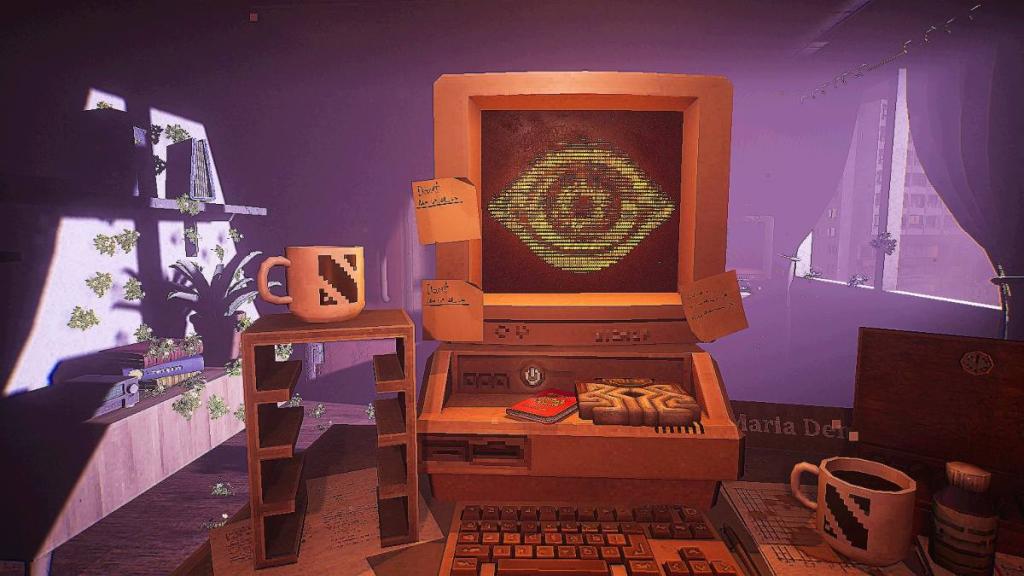
After the patch, your save file restarts and the world is altered—Petro’s cassette now reads as the signal’s manifest, and a cryptic timer appears: “Days until salvation.” The choice the game forces on you is ugly and precise: is Kaminskyi a monster, a martyr, or a man whose grief was weaponized? I see it as a moth to a flame—compelled to a lie that feels like truth.
So what do you believe: an artifact of madness, a memetic entity, or a literal angel in a stone suit whose choir now walks the planet—what will you argue when someone insists the tape was just noise?