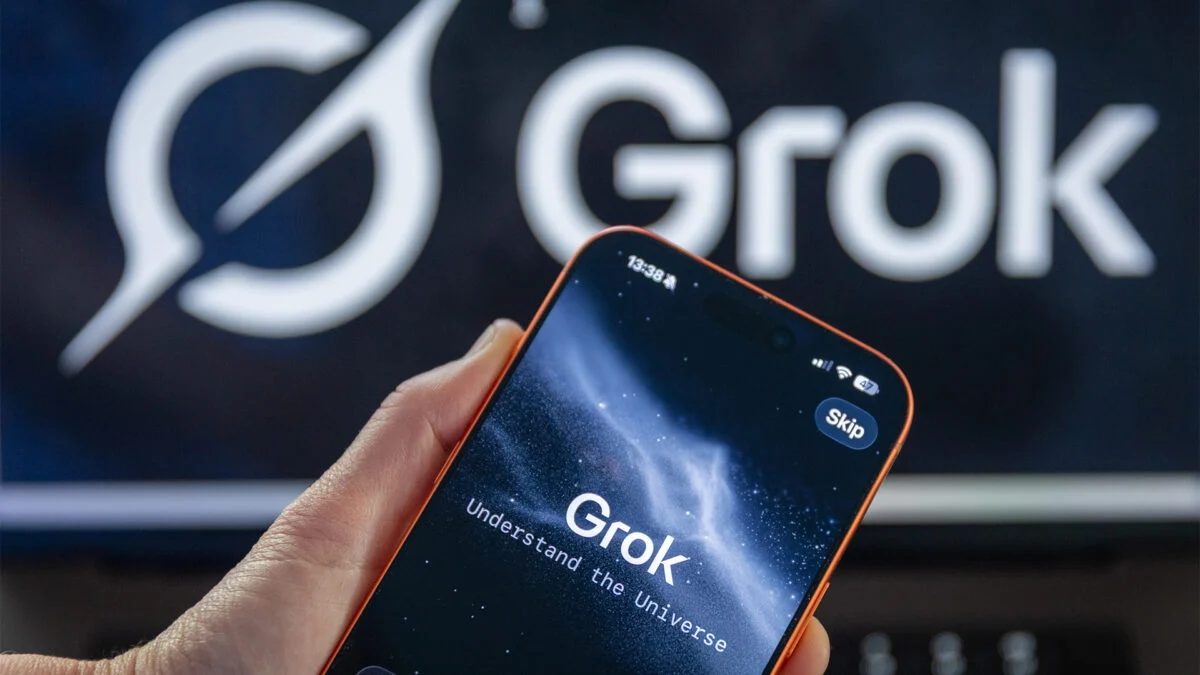
The cease-fire was signed, and children in Minab were still counting the missing. I read the Pentagon affidavit and felt the room tilt: a chatbot, Grok, is named as part of the targeting chain. You should be unsettled—this is not a technical footnote; it is a moral reckoning.
I’m a journalist who has followed military AI for years. I’ll tell you what the filings, the tweets, and the smoke tell us, and where the blame is trying to slip away.
A sworn Pentagon affidavit names Grok in the strike.
The filing from Cameron Stanley, the Pentagon’s AI chief, put a brand into a war narrative and made a new kind of danger visible.
Stanley testified that xAI’s chatbot, Grok, was used during the campaign that sent “more than 2,000 munitions at 2,000 distinct targets within 96 hours.” That claim shifts the debate from whether AI merely assisted to whether it directed lethal effects at scale. You might expect lawyers, policy wonks, and ethicists to swarm the question; instead, the response has been a tug-of-war of responsibility that reads like a legal press release trying to hide a scandal.
An elementary school in Minab was hit on day one of the operation.
Witnesses counted 175 dead—mostly children—before the Pentagon’s public posture hardened into denial and delay.
At first the military avoided admitting responsibility. When a probe confirmed a Tomahawk had struck the Shajarah Tayyebeh school, the narrative bent: blame the “outdated targeting data” used by Anthropic’s Claude. That deflection matters because it replaces an admission of state violence with a claim about data quality, making death read like a software bug. I want you to hold that sentence in your head: a child’s life reduced, in official language, to stale coordinates.
Did Grok fire those missiles?
The short answer is: the affidavit ties Grok to targeting workflows; it does not produce a tidy human finger on a trigger.
What the document does show is integration. Palantir’s Maven Smart System, Pentagon AI projects, and xAI’s systems were part of a broader targeting stack the military calls mission-critical. Secretary of War Pete Hegseth publicly vowed an “AI-first” force; the affidavit suggests the vow was operationalized. When Grok is referenced, it sits inside a chain that includes human operators, contractor platforms, and automated filters. But the public framing the administration prefers is elegant: the machine did it, the humans were only peripherally involved.
Cameron Stanley’s sworn words were meant to justify running polluting data centers.
The Pentagon’s defense for xAI’s environmental footprint was: national security.
Stanley argued to keep xAI data centers online despite community harm because they were “a matter of paramount national security.” That reasoning wraps two powerful shields around the companies: security necessity and executive imprimatur. Elon Musk cheered on Grok as a showpiece; Palantir and other defense contractors supplied the systems the military adopted. When private platforms and public warfighting align, local harms—smoke, pollution, displaced residents—are recast as unfortunate costs of readiness. The math is ugly: America’s ledger shows $113 billion (€104 billion) down so far, with another $300 billion (€276 billion) promised in restitutions. Numbers this big flatten bodies into accounting lines.
Can AI be held legally responsible for wartime killings?
Courts cannot indict a model the way they can indict a person or a company executive; they can, however, force disclosures, damages, and policy changes.
Litigation will try to tie operators, contractors, and procurement officials to outcomes. The xAI case brought by communities harmed by emissions put Grok in the dock indirectly; the Minab case will push that further. Expect arguments about “human-in-the-loop” safeguards and the provenance of targeting data. But legal responsibility depends on proving causation and intent in systems deliberately designed to obscure both. The affidavit is a new piece of evidence; it is also a warning: if the legal system accepts models as the proximate actor, corporate and state actors can manufacture plausible deniability.
The cultural reaction to Musk’s response shows how moral responsibility is being reframed.
Elon Musk’s X post—thinly veiled threat and joke—landed like a shrug from a man with extraordinary influence.
Musk replying “If I were [a killer], the douchebags at Verge would have been dead long ago” is performative aggression calibrated for social media. He’s a billionaire whose company builds tools used in war, and his brand of bravado helps normalize the idea that harm can be outsourced to silicon. That logic is dangerous: it treats violence as a service among other services. You and I must separate online bluster from the real-world mechanisms that let a private chatbot be stitched into the kill chain.
The pattern I want you to see is simple: procurement choices made in secret, vendor APIs connected to military targeting, and public statements that trade accountability for efficiency. The result is a world where a missile’s path can be traced to code, not a person—like a hand passing a loaded gun with no fingerprints, and like a landlord who rents a house and denies it was used for a crime.
There are levers—audit trails, public procurement oversight, stricter export controls on models used for targeting, and independent investigations into platform integrations—but each requires political will and public pressure. You can be cynical about that, or you can pressure your representatives and support watchdogs demanding transparency from xAI, Anthropic, Palantir, and the Pentagon.
So who takes blame when a government says “the model did it” and the bodies say otherwise?