
I saw the thread before the official statement—screenshots, a French journalist’s tweet, and a chorus of shocked replies. You felt the air change: rumors collapsing into a single, brutal explanation. I kept coming back to one phrase: cruel math.
I’ve spent years parsing industry whispers and press releases. You don’t need a PhD in spreadsheets to see why people reached for revenge narratives — they’re dramatic and easy to share. But drama isn’t the same as evidence.
On my X timeline, a screenshot from Sylvain Trinel spread faster than any press release.
The claim: Bungie would cut “50 percent” of staff this summer, and Sony executives were allegedly out for blood because of PlayStation’s live-service misfires. Paul Tassi at Forbes pushed back, citing sources at Bungie, and called the revenge angle “a huge reach.” I agree with the pushback — not because I like dismissing accusations, but because the internal signals point somewhere less cinematic and more banal: finances.

Why is Destiny 2 shutting down?
Short answer: the evidence points to a commercial shortfall. Sources quoted by Paul Tassi say Destiny 2 “cost more than it made.” If the studio’s live-ops and new projects like Marathon failed to deliver expected returns, executives are left with a ledger that doesn’t lie. You can read Trinel’s initial report on X and Tassi’s rebuttal on Forbes for the public face of the argument, but internal finance teams don’t make decisions based on sentiment — they follow revenue and margin.
In a meeting room emptied of chairs, someone pushed a spreadsheet across the table.
Numbers strip drama away. They don’t assign motives; they show loss and gain. That’s what the “cruel math” line is about: an acquired studio that cost Sony $3.6 billion (€3.35 billion) now needs to justify that price tag. Paul Tassi’s sources point to precisely that calculus — the acquisition was supposed to buy expertise in live services. If PlayStation’s live-service strategy underperformed this generation, executives see an investment that hasn’t paid off.
Marathon’s commercial failure is a headline symptom, not the disease. The dedicated teams at Bungie delivered technical polish and community care, but if sales and ongoing monetization don’t hit targets, corporate priorities shift. I’ve watched this pattern play out at other publishers and platforms: a studio’s future is fragile when the balance sheet demands cuts.
Is Sony punishing Bungie?
People want causality and villains. I want accuracy. The data and reporting suggest this is not punishment in the human-drama sense. Sony spent billions expecting a return in live-service know-how — that expectation met a shortfall. That’s a finance story, not a revenge plot. You can call it cold; I call it arithmetic. The corporate boardroom rarely acts on emotion when careers and quarterly reports are at stake.
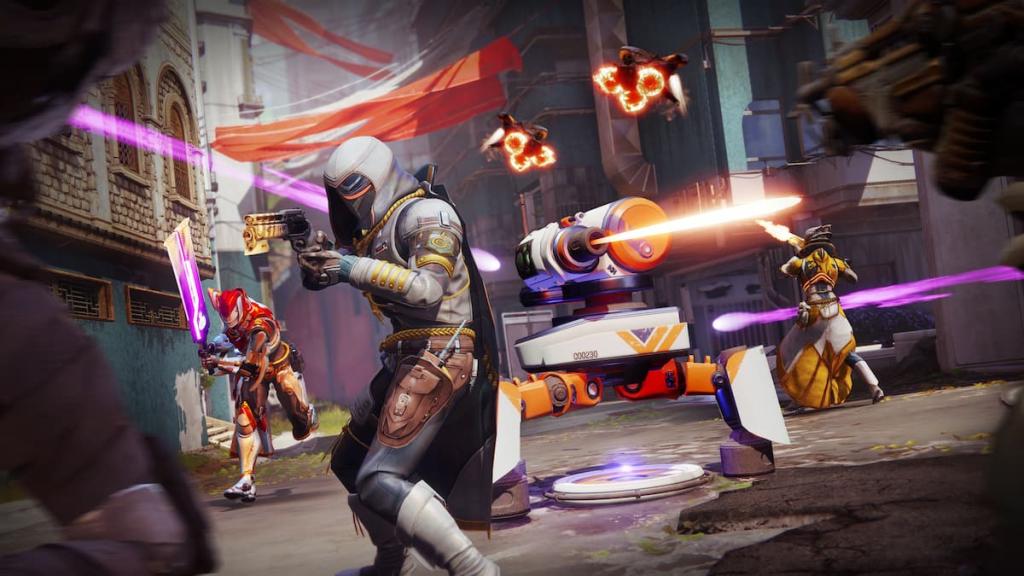
At community hubs and Discord servers, players traded memories and threats of boycott.
Players are right to be worried about content stops, live-event cancellations, and the fate of seasonal economies. A studio in financial retrenchment often pulls resources from long-term experiments and focuses on core revenue streams. That can feel like betrayal when you’ve invested time and money into a live game.
Will Bungie lay off employees?
Reports cited by Trinel claimed “50 percent” cuts; Tassi’s sources say the retaliation narrative is overblown but agree that layoffs are possible because the numbers demand them. I’ve seen headcount reductions framed as restructuring, consolidation, or strategic refocus — the label changes, but real people lose jobs. You should read both the reporting from Trinel and Tassi, and watch for official statements from Bungie and PlayStation for confirmation.
I’m not pretending there isn’t a human cost here. Developers, community teams, and support staff face uncertainty while executives explain ROI to shareholders. The studio’s silence and the broader PlayStation live-service underperformance have made a complex situation feel personal.
Two metaphors are enough: the studio went quiet like a ship with a hole; the acquisition now reads like a garden that stopped getting water.
I’ll keep tracking statements from Bungie, Sony, and reporters like Paul Tassi and Sylvain Trinel on X and in long-form coverage. You should watch official Bungie channels and filings for any concrete confirmation, and check financial coverage in Forbes for context on the acquisition and losses.
Which will matter more when the dust settles — the stories players tell about their raids, or the spreadsheets the boardroom remembers?