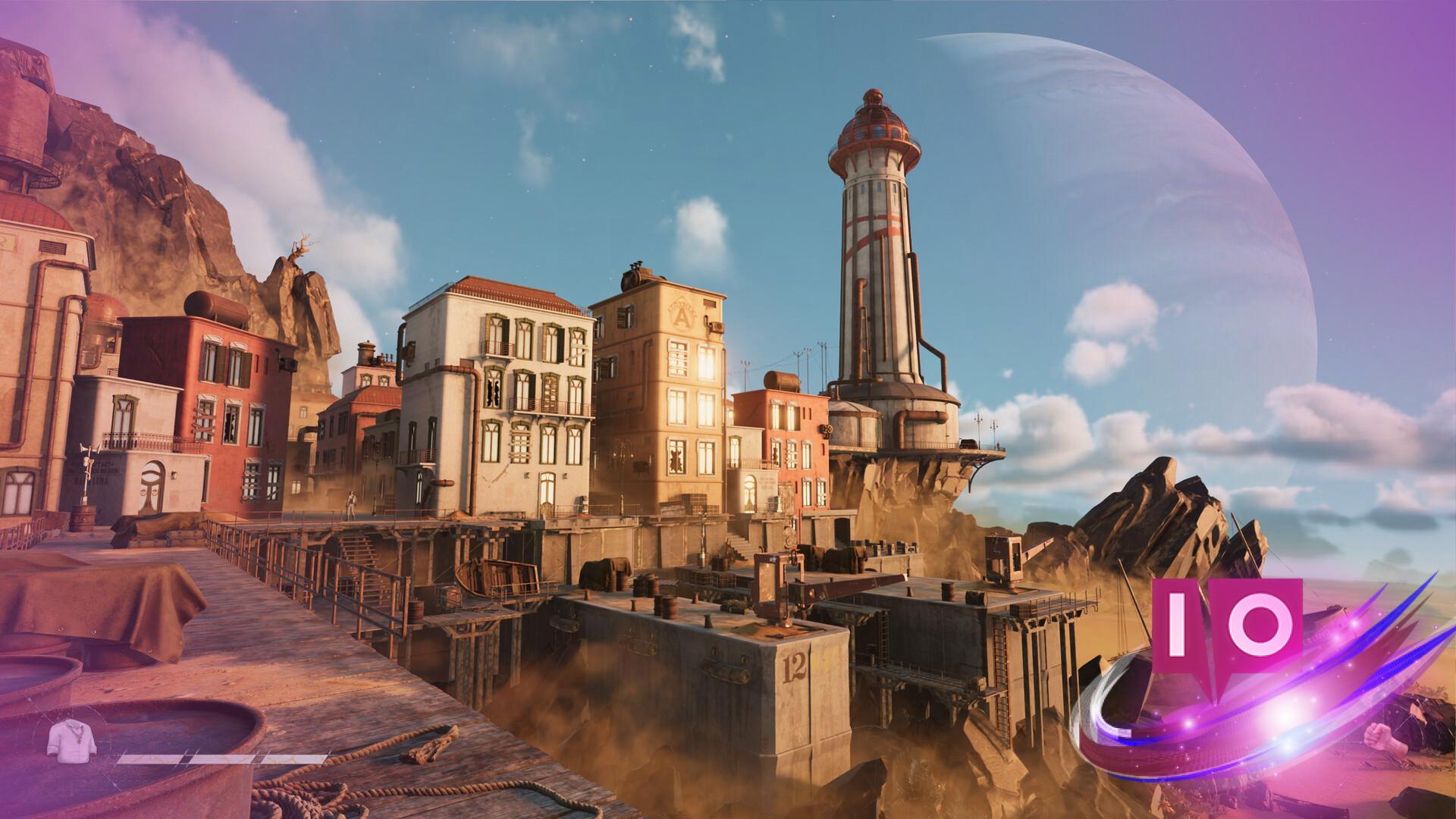
I heard the trampler’s engine cough, then silence—except for the clink of a red box tumbling out from under rubble. I ran for it, heart in my throat, while turrets painted the street with tracer fire. When I cracked it open, the map of the whole run shifted.
All Red box items in SAND: Raiders of Sophie and how they work
On my third run a red crate sat half-buried against a ruined storefront—an instant decision: sprint, fight, or leave it. These crates are rarer than the white and green ones and usually hand out the kinds of toys that change how you play: deployables that rewrite fights, weapons that punch through armor, and a few odds-and-ends that save your skin. I’ll walk you through everything I’ve seen so you know what to keep, what to stash in a box, and what to sell on Steam if you bought SAND on Early Access for $19.99 (≈ €19).

What items do red crates contain?
Short answer: the best deployables and experimental weapons, plus utility items that change how a trampler performs. If you want specifics, here’s the catalog I pulled from playtests and the early access release on Steam and tinyBuild feeds.
Deployables
- Podorozhnyk Bio-Emitter: Drops a healing dome. Everyone inside gets restored health over time—think of it as a mobile triage station when fights go sideways.
- Pestkop-Lorenz Amplifier: A yellow dome that doubles cannon and firearm damage inside its radius (+100%). It turns a defensive row into a demolition crew.
- Domovyk Protective Dome: Blue shield dome that soaks incoming damage. Place it and buy time for repairs or escape.
- Von Liebig Reflector: Directional shield that bounces incoming damage back toward attackers—very situational but devastating against concentrated fire.
Where do red crates usually spawn?
From my runs and chatter on Moyens I/O forums, red boxes favor high-traffic zones: city centers, vaulted buildings, and guarded supply depots. If you’re skimming ruins, check inside buildings and behind collapsed storefronts—cities have more crates than open desert. Bring a storage box with you; you won’t be able to carry everything back otherwise.
Weapons
- Experimental 80mm: High-damage cannon rounds with strong shell velocity—great for punching through layered armor.
- Experimental 40mm: Faster rate once heated; reliable and deadly in sustained firefights.
- Experimental 70mm: Fires two shells per shot for burst-heavy damage output.
- The Great Silence: Single-use rifle that fires an EMP shell capable of triggering area-effect damage—best saved for clusters of electronics or turrets.
- Orbital Strike Designator: Marks an area for an orbital strike. Accuracy is poor, but the damage at ground zero is spectacular and game-changing when you time it right.
Are red crate items rare?
Yes—they’re uncommon. During early access playtests they showed up sporadically. Expect randomness: crate drops are roll-based, so if you’re chasing a specific item it may take several runs. That’s part of the tension: grab what tilts your current run, stash the rest.
Misc.
- Smokeless Rods: Fuel rods that prevent smoke buildup from engines and movement—keeps visibility clear for your squad.
- Smoke Grenades: Creates a large concealment cloud to hide players from enemies or break a line of fire.
From what I and others have logged on Steam discussions, tinyBuild releases, and early press, the red crate item list is stable for now—but that could shift as the devs tweak balance. Treat every red box like a choice: do you grab immediate power, defensive structure, or a tactical tool that changes the map?
If you want fast wins, prioritize amplifiers and the orb striker for short-term damage spikes. If survival matters more, the bio-emitter and protective dome will save more runs. A red box is a jackpot, glittering coins under a desert sun. A crate in hand is a compass needle pulling you toward risk.
Which red box moment changed how you play and why?