
I held my breath as the GTA 6 price screen flashed across my monitor—another preorder, another pause at the checkout. You’ve felt that twinge: excitement colliding with the cost of entry. When Rockstar set the Standard Edition at $80 (€74) and the Ultimate at $100 (€93), it landed like a rare sensible choice in a chaotic market.
I’ve watched publishers treat players as walking wallets. I’ve also been the guy who shelled out for an edition that offered nothing but cosmetic fluff. I write to spare you the same disappointment and to explain why this feels different.
One player in my Steam friends list paid $120 for early missions—and later admitted they were second-rate loot. AAA gaming has a pricing problem, yet GTA 6 avoids the worst of it
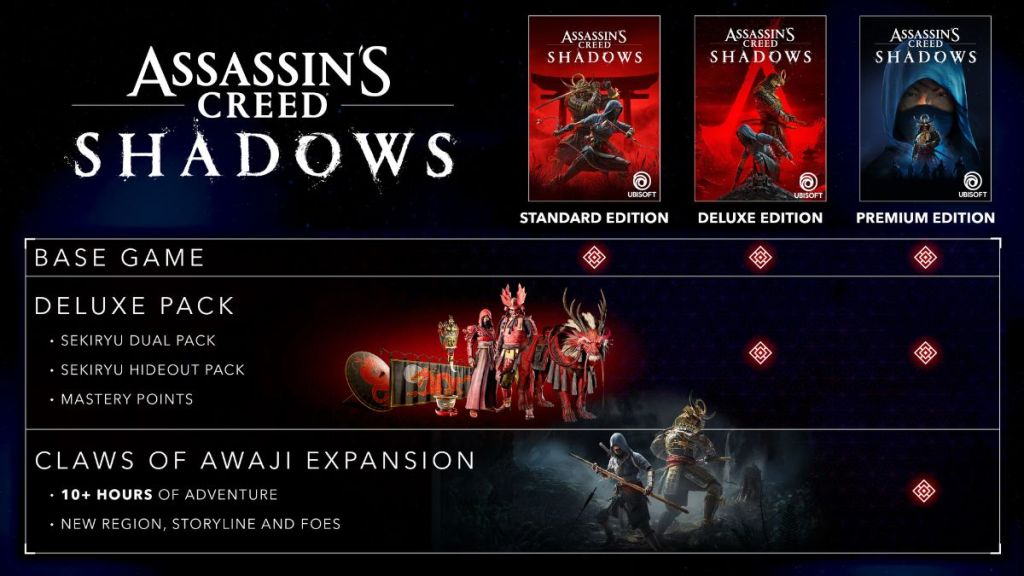
Publishers have turned storefronts into slot machines. Big names chase recurring revenue, and standard releases have been hollowed out by gated content and pay-to-win impulses. Assassin’s Creed: Shadows sparked outrage when Ubisoft split core missions across premium editions; Star Wars Outlaws locked a high-profile Jabba mission behind a season pass. Those moves erode trust faster than any buggy launch.
So when Rockstar and Take-Two set a fairer baseline, it matters. $80 (€74) for a single-player experience built over a decade feels like a respectful trade-off, not a ransom. There’s no paid early access that gives a vocal minority an exclusive head start—preorders only grant preload, so launch-day strain is eased without fragmenting the player base.
I overheard a PlayStation subreddit debate where half the thread feared paid content would handcuff the story. What the GTA 6 pricing actually buys you
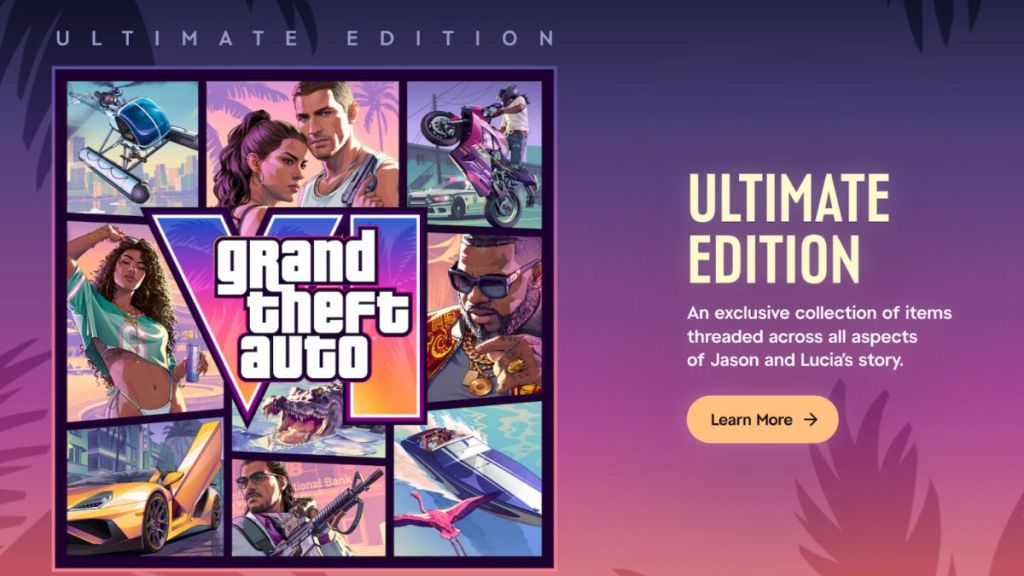
There’s a simple promise in Rockstar’s structure: pay once, get the narrative. Jason and Lucia’s campaign through Leonida is presented as a full experience, not a skeleton to be fleshed out with microtransactions. The Standard Edition at $80 (€74) is a one-time gateway to the main story. The Ultimate Edition at $100 (€93) layers on extras—custom mod shops, apparel, and nostalgia vehicles—without altering the plot or offering unfair gameplay perks.
The Vintage Vice City Pack being a preorder bonus for every buyer is a small but meaningful gesture toward fairness. On PC the game will land across platforms such as Steam and the Epic Games Store; on consoles it will roll out across PlayStation and Xbox ecosystems. That broad availability reduces friction for the community to gather and discuss the game together rather than split by paid privileges.
Is GTA 6 worth $80?
That depends on what you value. If you want a sealed single-player continent built over a decade, $80 (€74) is reasonable. If your expectation is endless live-service drops without further purchases, nothing stops Take-Two from offering that later, but the base offer suggests Rockstar prioritized a contained creative statement first.
A friend who bought an Ultimate pack for cosmetic perks still felt cheated when the story was sold separately elsewhere. Why publishers are overpricing core experiences—and why it matters
Predatory pricing fractures communities and kills momentum. When players can’t afford the “complete” experience, forums and streams thin out, and the cultural footprint shrinks. Rockstar’s choice to price accessably signals that you can make a premium game without turning it into a paywall operation.
Publishers such as Ubisoft and Take-Two have enormous influence; their choices ripple through retailers and storefronts. Developers use tools like Unreal Engine and Rockstar’s RAGE in different ways, but pricing decisions are messaging: do you welcome fans or treat them as recurring transactions? The industry needs more examples where respect for the player is part of the product design.
Does the Ultimate Edition give gameplay advantages?
Not according to Rockstar’s announcement. The extras are cosmetic and convenience-focused, which preserves competitive balance and narrative cohesion. That’s the difference between monetization that enhances experience and monetization that replaces it.
Publishers could still pivot toward heavy monetization after launch, and platforms from Steam to the Epic Games Store will shape visibility and discounts. But for now, Rockstar’s pricing acts as a lighthouse in a storm of DLCs and gated content—a guiding signal that a big-budget narrative can respect its audience.
You and I have watched the market get greedy; we can also spotlight when it doesn’t. Will the rest of the industry follow, or will this be an anomaly we talk about in hindsight?