
I was scrolling through my feed when Asha Sharma’s memo arrived. The numbers — 1,600 gone, 1,600 more planned — landed like a shutter closing on a once-bustling arcade. You felt the room go quiet before the official lines arrived.
July 2026 Xbox reset layoffs and changes
That morning a concise internal message changed a lot of careers and plans.
I read the memo, then the follow-ups on X and LinkedIn, and started mapping what Sharma called a “reset.” The headline: roughly 1,600 employees cut immediately, with as many as 1,600 more through the 2027 fiscal year. Microsoft signaled wider reductions across studios and business units inside the Xbox umbrella. The company also announced plans to sell or spin out some teams while keeping publicly announced first-party projects intact.
You should know two things fast: announced games are, for now, safe; the human impact is not confined to any single studio. I tracked which teams were being offered independence, which were entering talks for new ownership, and which faced general “reductions” and re-prioritization.
How many jobs were cut?
Microsoft disclosed 1,600 immediate layoffs and warned of up to 1,600 more through the 2027 fiscal year. That places the potential total near 3,200 Xbox roles affected inside the studios and corporate groups tied to gaming. You can check LinkedIn and X for individual notices from affected employees and managers as the ripple effects appear.
Are announced games cancelled?
Short answer: not publicly. Sharma emphasized that none of the first-party publicly announced games or projects are being cancelled as part of these reductions. Still, project safety on paper does not erase delays, staff churn, or the hit morale causes to teams finishing complex releases.
Which studios were sold or made independent?
Microsoft is offering several studios the chance to leave with IP and development runway intact — a rare outcome in mass layoffs but also a sign of trimming to core bets. I watched public statements from studio leads and Microsoft spokespeople to confirm which teams negotiated exits and which entered ownership talks.
Compulsion Games
The studio quietly shipped a creative hit and kept a small profile.
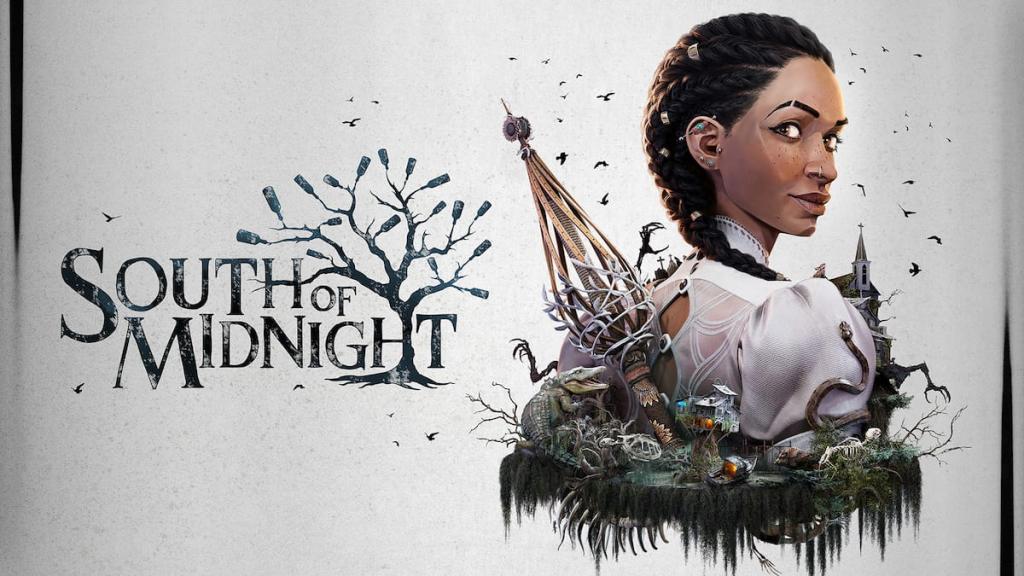
Compulsion, known for South of Midnight and We Happy Few, was allowed to become independent with its IP and catalog. That means the team — and their projects — move away from Xbox’s direct oversight while retaining runway to finish what they’ve been building. For developers, independence brings freedom and new risk; for fans, it preserves the creative voice that made Compulsion distinct.
Double Fine Productions
I remember the first Psychonauts reveal and how that studio cultivated a devoted audience.
Double Fine was also allowed to spin out, taking IP, catalog, and runway with them. Tim Schafer’s studio has a strong indie profile and a fanbase that follows them across platforms like Steam and the Epic Games Store. Independence should preserve creative rhythm — but it also forces new financial equations around publishing and marketing.
— Double Fine (@DoubleFine) July 6, 2026
Ninja Theory
Senua’s voice became a touchstone for narrative ambition.
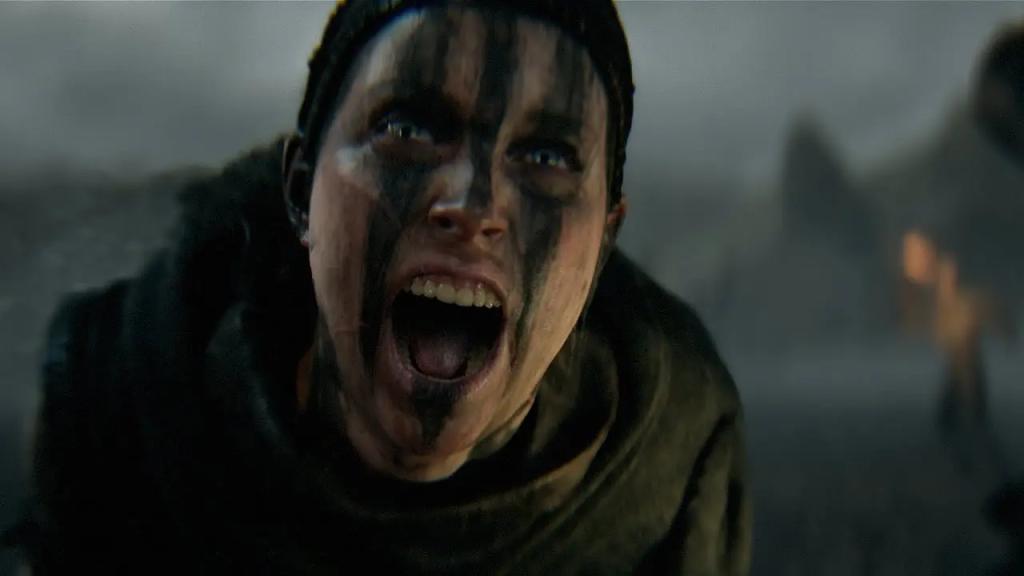
Ninja Theory entered terms to join new ownership with funding pledged to complete and grow the Senua franchise. That arrangement aims to keep the studio’s creative leadership intact while moving day-to-day business outside Xbox’s structure. For players of narrative-driven titles, this is encouraging; for employees, it’s a fresh managerial shuffle.
Undead Labs
The State of Decay team became a familiar name to survival fans.
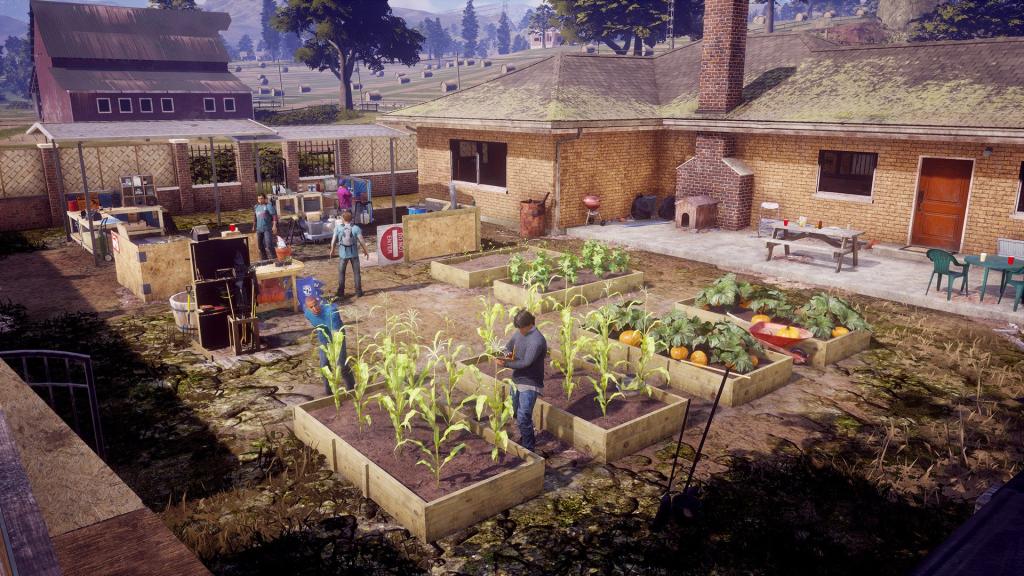
Undead Labs is entering terms to join new ownership with funding to complete and grow State of Decay 3. Given the franchise’s community-driven economy, the new structure could mean a mix of independent publishing and strategic partnerships. If you follow modders or servers on platforms like Steam, keep watching how the studio’s online tools evolve.
Arkane Lyon
Arkane’s levels have been studied by designers for years.
The studio’s management has begun required consultation with its Works Council to review potential strategic options. That phrasing signals internal discussions about structure, staffing, and future investment. You should expect lengthy conversations around how to protect design teams while aligning to Microsoft’s narrowed priorities.

Activision
Activision’s franchises move millions of players each quarter.
The company reported “reductions” and said it will shift investment toward higher priority projects. For big-money series like Call of Duty, that often translates to consolidating teams and reallocating live-service resources. You’ll see the effects in studio staffing, roadmaps, and possibly in how Activision coordinates with Activision-owned partners and platforms.

Blizzard
Blizzard’s live teams manage economies and millions of accounts daily.
The company announced “reductions” and said investment would shift to higher priority projects. Expect reassignment of staff away from experimental or long-tail features and toward flagship live services like Overwatch, World of Warcraft, and Diablo. That alters development calendars and could change how Blizzard engages creators on platforms such as YouTube and Twitch.

Bethesda/ZeniMax
Studios under Bethesda have some of the longest-running console pipelines in the business.
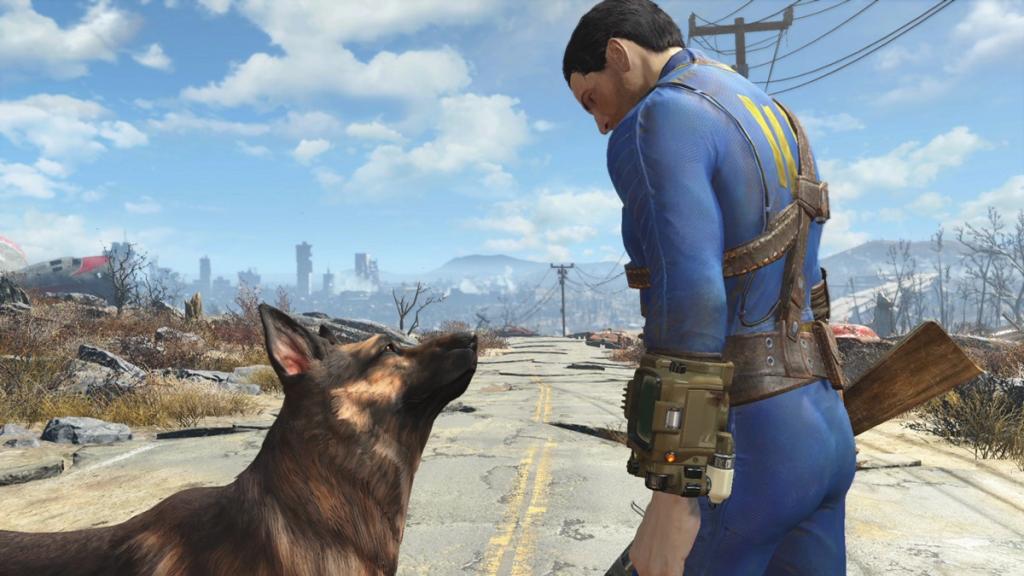
Bethesda and ZeniMax groups are seeing reductions and tighter investment priorities. With big franchises like Fallout and The Elder Scrolls, Microsoft appears to be narrowing scope around projects that promise the largest returns or that fit strategic platform goals. That will shape hiring, tech allocation, and third-party partnerships.
King
King’s live-ops engine for mobile matching games is a money-making machine.
King confirmed “reductions” with a re-focus on priority projects like Candy Crush. For mobile teams, that often means consolidating product squads, pruning experimental titles, and doubling down on retention and monetization work.

Mojang
Minecraft remains one of the largest continuous player communities in gaming.
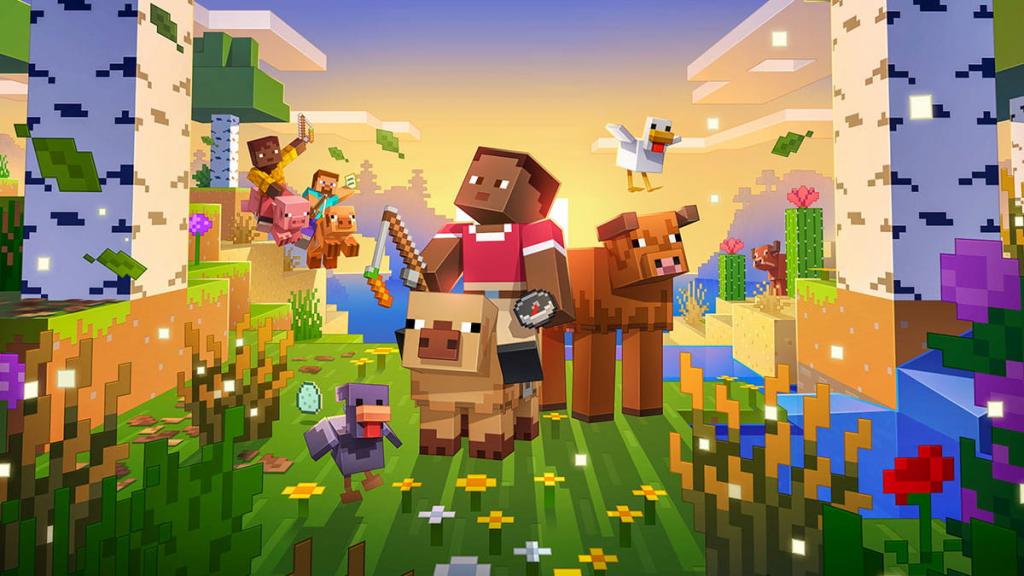
Mojang also faced reductions and a refocusing of investment toward higher priority work. For platform teams that support millions of users, that indicates tightened roadmaps and potential shifts in how new features get prioritized across Java and Bedrock editions, and how Microsoft engages community creators on YouTube and Twitch.
This article will be updated as more information about Xbox’s restructuring is revealed.
I’ve walked you through the public moves and the likely effects on teams and roadmaps; the rest will show up in hiring pages, Glassdoor notes, and the public feeds of studio leaders. The corporate map has been rearranged like pieces on a chessboard with pawns still on the table — who will adapt, who will thrive, and who will be remembered as casualties?