
I was on a subway when a track came on that sounded exactly like Drake. I checked the credits, then my phone, then my friends’ faces—no name, no label, just a perfect, uncanny vocal. You felt that small, electric unease too, the moment a hit song might not be a person at all.
I follow music tech and law closely, and I want to tell you what the industry is proposing next: a simple visual label that tells listeners whether a track was hatched by human hands, by AI, or by a messy hybrid of both. You’re about to get the short version, the stakes, and what this could mean for artists, platforms, and anyone who hits play.
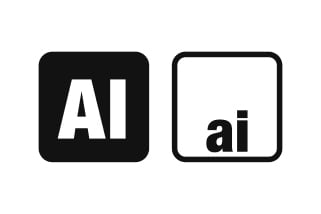
At a coffee shop, a teenager taps a tile labeled “AI” and doesn’t blink.
The Recording Industry Association of America (RIAA) and the International Federation of the Phonographic Industry (IFPI) are asking streaming services to add voluntary tags that flag AI involvement. The proposal borrows the compact visual language of explicit-content markers: bold badges that tell you whether a song was generated entirely by an AI model, or created by humans who used AI for parts of the process. The Grammys and SAG‑AFTRA have lent weight to the plan, which aims to increase transparency without banning AI music outright.
On an executive desk, a demo labeled “AI remix” sits beside a licensing offer.
Spotify and Apple Music are already experimenting with options that give artists a say. Spotify rolled out an “impersonation policy” requiring consent when a track uses an AI voice clone of a living artist, and it lets creators optionally list AI usage in credits. Apple Music has optional “transparency tags” for AI-assisted content. Universal Music Group has partnered with Spotify to let premium users generate AI remixes of participating tracks—an attempt to turn a threat into a revenue stream for rights holders.
Will streaming platforms be required to label AI music?
Not in the U.S., at least not yet. Europe’s AI Act forces certain disclosures when content is “detectable as artificially generated or manipulated,” but American regulation is light. That leaves the choice to platforms like Spotify, Apple Music, and social networks. Instagram and TikTok already auto-label AI images and videos in some cases; X (formerly Twitter) uses community notes, which is less consistent. The RIAA/IFPI push is an attempt to set industry norms before lawmakers do.
At a forum thread, fans argue whether a viral track is real or fake.
AI-generated music is harder to flag than images. Audio doesn’t carry static telltales in the same way—its metadata shifts, and models can mimic vocal idiosyncrasies. In 2024, a viral song that used voice clones of Drake and The Weeknd fooled millions. Platforms, rights groups, and creators are racing to respond while listeners debate authenticity in comment threads and playlists.
How can listeners tell if a song was made with AI?
For now, you rely on platform labels, artist statements, and a discerning ear. Labels being proposed would add a visible cue in the app UI; Spotify’s credits field and Apple’s tags are voluntary signals you can check. But detection tools lag: audio fingerprints and forensic analysis exist, yet they can be evaded. Think of these tags as a flashlight in a dark club—useful, but not a guarantee of full visibility.
How will these labels affect artists and royalties?
Labels won’t automatically change pay splits, but they will shape conversations about consent and credit. Spotify’s consent rule for voice clones aims to protect performers; UMG’s remix feature offers a new licensing route for creators to profit from AI versions of their work. That said, AI tracks can also act as Trojan horses in playlists, sneaking into discovery paths and altering streams in ways that complicate revenue and attribution.
Platforms and regulators face a choice: let the market decide with voluntary tags, or impose stricter rules that could curb innovation and limit artist control. I believe labels are a necessary first step, but they are only a bandage if companies and lawmakers don’t follow with real accountability.
So when you press play next time, will the badge tell you who—human or machine—earned that stream?