
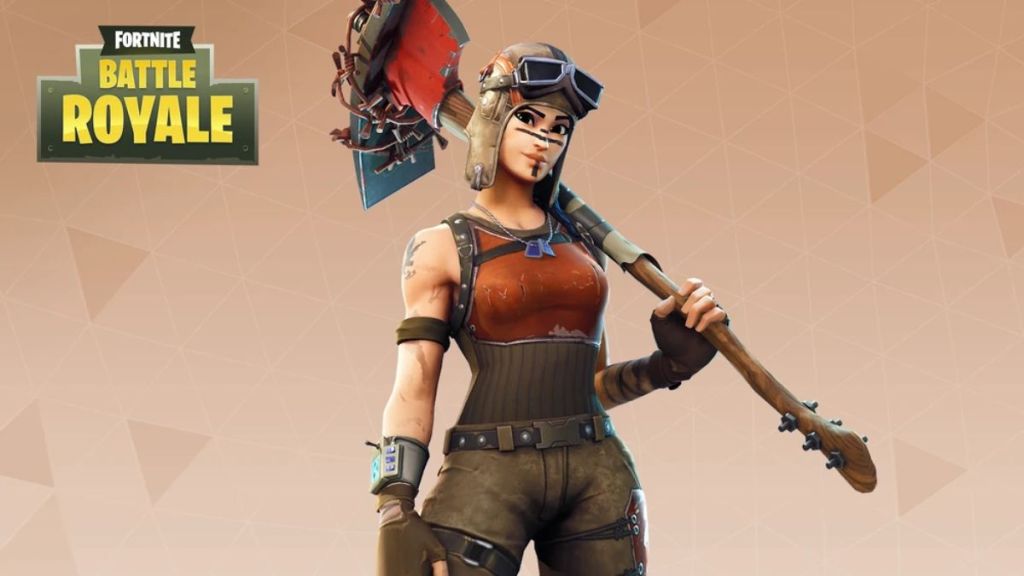
I dropped into a solo match and landed next to a Renegade Raider. Five seconds later a squadmate typed, “OG?” and the chat exploded into nostalgia-fueled envy. I closed the game, suddenly aware that Fortnite had been gatekeeping its own history.
I’ve been playing Fortnite long enough to remember when rarity meant something, and I’ve watched the community argue over a skin like it was the final slice of pizza. You and I both know those debates: they live on Twitch clips, Reddit threads, and in the offhand boasts of streamers. Now Epic Games is loosening the ropes, and I’m here to say: good.
The “OG” badge at a streamer’s desk
At a Twitch stream I watched last week, ten players argued over whether Renegade Raider proved someone was an original. That moment is the whole problem: exclusivity was manufactured, not earned.
There’s a loud corner of the Fortnite world that treats old skins like sacred relics. Streamers and creators—names like Ninja and Tfue shaped that sentiment early on—by repeatedly framing cosmetics as the shorthand of status. But prestige in a competitive shooter should come from skill, not a skin you bought because your console worked in 2018.
I’ll be blunt: the prestige system Epic built felt like a plastic trophy in a thrift store — polished for show, cheap on meaning. When rarity is controlled by timing and platform deals rather than achievement, it becomes a barrier that favors whoever happened to be online at the right moment.
Why does Fortnite make skins exclusive?
Short answer: scarcity sells. Epic Games used exclusivity to drive engagement, collaborations, and hardware promos—think PlayStation Cup rewards and timed Battle Passes. But scarcity works only if it feels fair; otherwise it breeds resentment and a two-tiered player base.
A Darth Vader cosplay line outside a convention
Watching fans queue for exclusive merch at a con is a clear image: people love icons. That’s why locking pop-culture characters behind seasons feels tone-deaf.
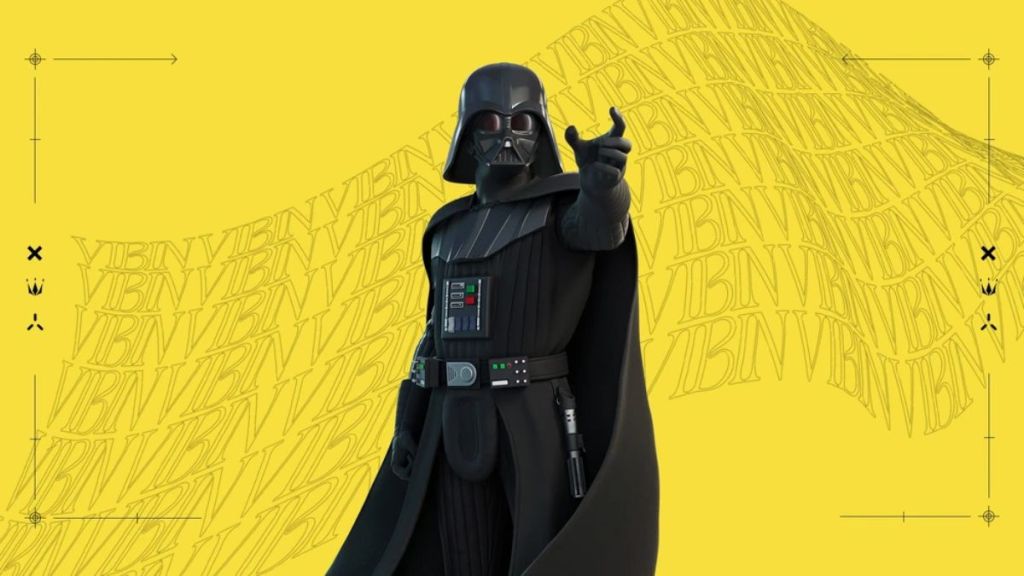
Imagine being a Star Wars fan who discovers Fortnite today and is told, politely but firmly, that Darth Vader is forever out of reach because you missed a Battle Pass years ago. Marvel, Star Wars, and big crossover deals aren’t just cosmetic moves; they’re cultural hooks. When Epic lets those hooks rot behind a seasonal wall, they punish newcomers and fragment the fandom.
Yes, Epic has experimented—bringing back variants like Samurai Vader or reintroducing skins in later seasons—but the base versions of icons still often stay out of reach. That’s not a reward for loyalty; it’s a historical footnote that slams the door on anyone new or returning.
Will Epic bring back old Battle Pass skins?
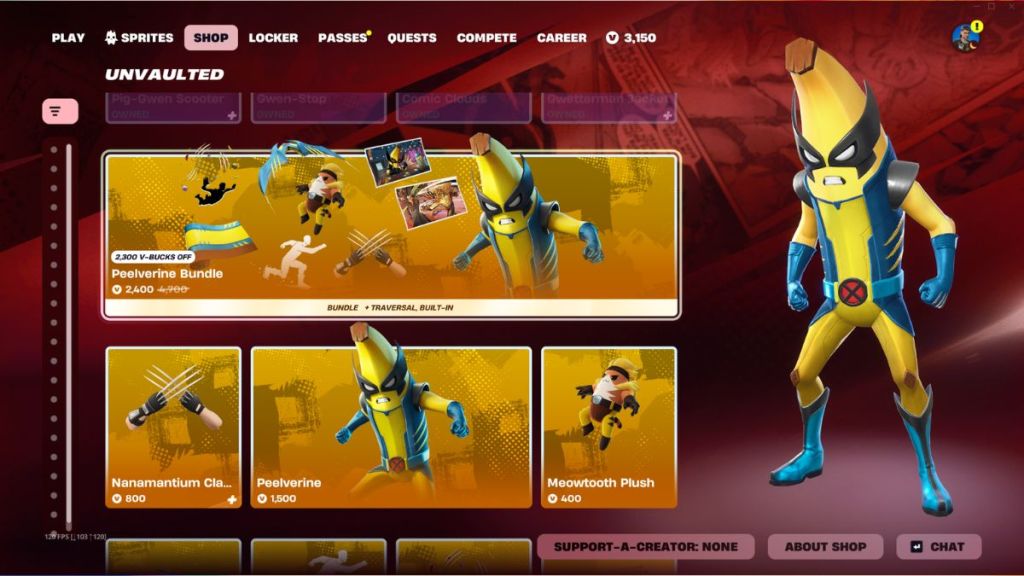
Recently, Epic started testing this. The Unvaulted Absolute Doom Battle Pass cosmetics hit the Item Shop, the first time Battle Pass skins returned after their season. It’s proof they can change course when the data and community nudge them.
A Discord server erupting when a rare skin appears
Community reaction tells you everything: when rare skins hit the shop, servers light up, creators make highlight reels, and people rush to spend. That pressure proves demand, and demand is a metric Epic watches closely.
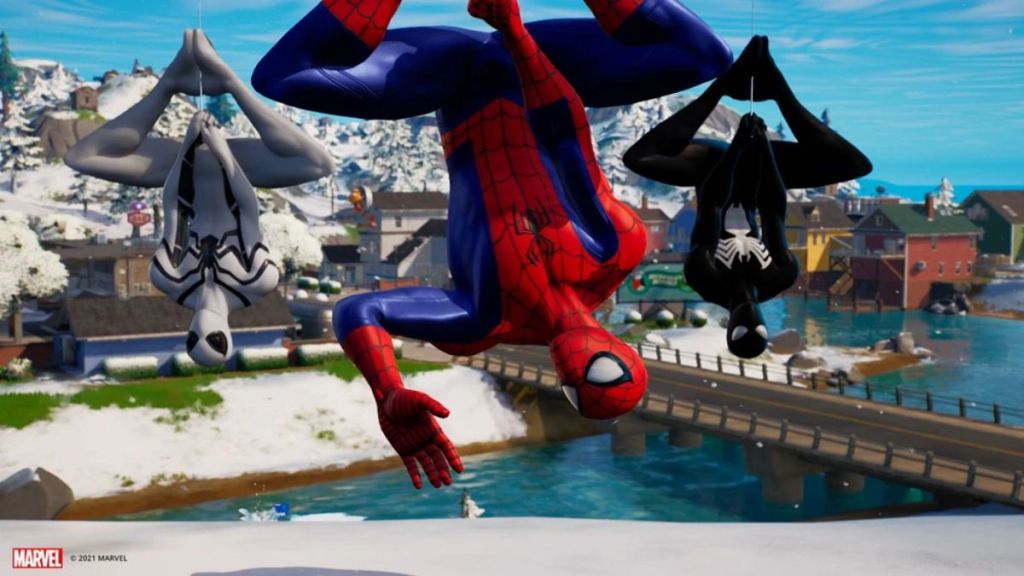
Here’s the practical compromise I favor: keep short-run Item Shop rotations for scarcity, but stop consigning Battle Pass and event cosmetics to permanent oblivion. Let players vote with their V‑Bucks. If Spider-Man or Optimus Prime returns, people will pay—again.
To put numbers on it: individual skins used to sit around 1,500–2,000 V‑Bucks (≈1,500 V‑Bucks ≈$11.99 / €11; 2,000 V‑Bucks ≈$15.98 / €16). Big bundles once bundled discounts; now bundles can climb to 4,000 V‑Bucks (≈$32 / €30) for crossover sets. Players still buy them. That’s not a bug; it’s a signal.
A spreadsheet of Item Shop rotations and sales figures
Numbers from social chatter and market behavior show a pattern: when Epic reintroduces skins, players respond. The Unvaulted launch priced former Battle Pass cosmetics at standard Item Shop rates—950 V‑Bucks battle pass items went up to 1,500 V‑Bucks—yet demand remained.
This is where game design meets business sense. Let skins rotate back, but do it transparently: clear timelines, justified rarities, and occasional true exclusives tied to earned feats rather than luck or platform ownership. Let Twitch, YouTube, and Reddit amplify return events; they’ll do the marketing for Epic.
How much do Fortnite skins cost?
Prices vary: single skins often sit between 1,200 and 2,000 V‑Bucks; bundles and premium sets can be 3,000–4,000 V‑Bucks depending on content. If you follow creators and the Item Shop schedule, you’ll know when classic sets reappear.
A younger player logging in after a year away
I ran into a teenager who came back after a break and said, “I feel punished for being offline.” That line stuck with me.
Exclusivity as a hard rule creates two problems. One: it makes the game feel unfriendly to newcomers. Two: it turns cultural icons into gated trophies that only a slice of players can display. If Epic wants Fortnite to be a living platform—like how Epic runs the Epic Games Store and crossovers with Marvel or Game of Thrones—it should treat its cosmetic library as shared intellectual property, not a private collection.
Think of the change like unlocking access to an archive: the content still has value, but the community grows when more people can participate. Skins should be accessible milestones, not permanent punishments for anyone who missed a season.
Epic has already started shifting: bringing back Indigo Kuno from a PlayStation Cup, reopening old Battle Pass content into the Item Shop, and testing curated unvaulting events. These moves respect both the collector’s itch and the wider player base that simply wants to play as their favorite characters.
If Epic leans into rotating availability, uses data from the Item Shop and creator channels, and ties genuine exclusives to skill-based achievements, the game gets healthier. The alternative is a slow freeze: cultural icons become rarities that divide players instead of bringing them together. That sounds like a losing strategy for a title built on collaboration and spectacle.
So where do you stand: should Fortnite keep historic exclusives locked away or let the community claim them back for every generation of players?