Two weeks before Spider-Man: Brand New Day hits theaters, I watched a group of friends scroll past its trailer with a barely hidden shrug. Their conversation drifted to indie shorts and niche web shows while the poster sat on a phone screen like background noise. That quiet felt more revealing than any press release.
I’m going to be blunt with you: studios read audiences as closely as they read spreadsheets. You and I both see the headlines — Supergirl underperformed, an anonymous exec told the Hollywood Reporter that “Gen Z doesn’t care about superheroes,” and analysts started whispering that the cape era is cooling. But headlines and anecdotes don’t tell the whole story.
At a college screening, people cheered for emotional beats more than spectacle
The fatigue argument often mistakes familiarity for failure.
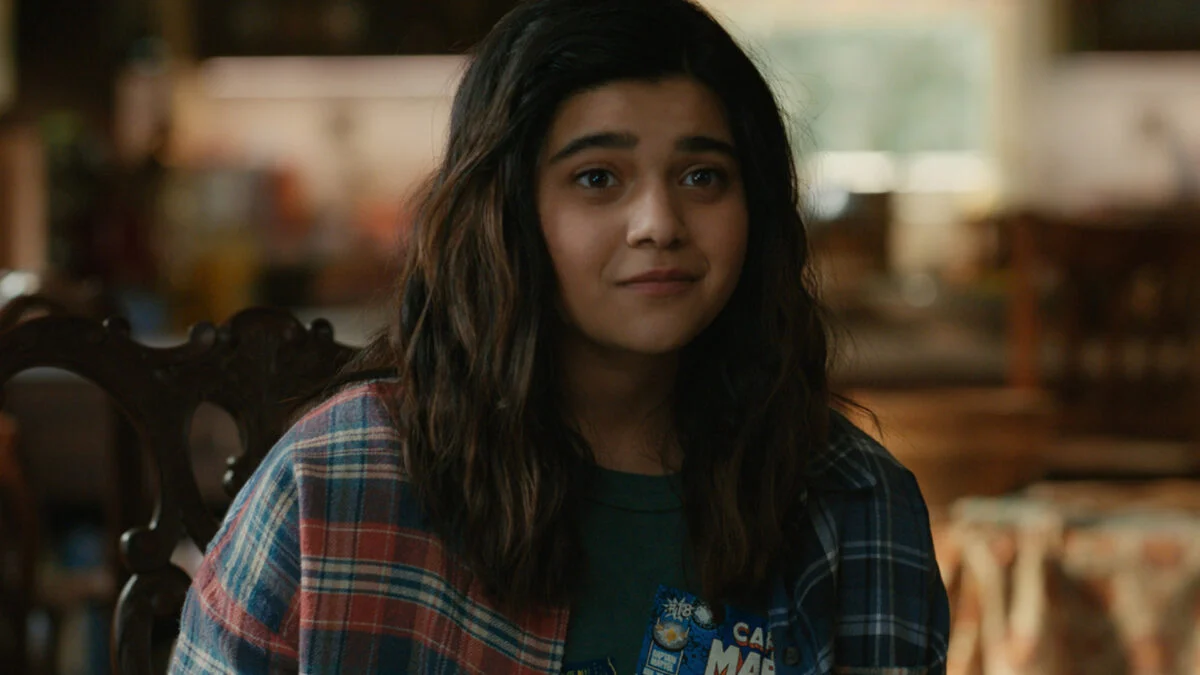
When films lean on recycled beats, viewers notice. That doesn’t mean they’ve abandoned capes; it means the baseline has moved. Audiences today want characters who feel lived-in, messy, and surprising. Shows like Invincible and series entries such as Ms. Marvel succeeded because they treated heroes as people first, not as props for a brand.
Why does Gen Z seem uninterested in superhero movies?
Because novelty has waned and emotional specificity is the new currency. Gen Z grew up with an avalanche of comic adaptations; the stunt used to be the selling point. Now they’re tuned to authenticity, specificity, and stories that couldn’t exist in any other form of entertainment. Studios that ignore that shift confuse fatigue with disinterest.
I read Iman Vellani’s AMA while waiting for an interview and her point landed immediately
She argued for heroes who feel like real people, not templates.
Vellani challenged the idea that a generation has outright rejected superheroes. “Westerns, musicals, and romcoms went through this. Every genre goes through cycles,” she wrote in the League of Comic Geeks thread. She said Gen Z expects honesty, emotional stakes, and narratives that evolve with them — especially in an era where AI raises new questions about storytelling trust.
Her prescription is simple: don’t abandon the genre; write films that could only exist as superhero stories. That’s a sharper ask than making things darker or louder. It’s about specificity of voice and human truth. When a show treats powers as a metaphor for real-world struggles, it stops being a commodity and starts being a conversation.
Can studios make superhero films Gen Z cares about?
Yes — but it requires different decision-making. Shift writers’ rooms toward lived experience. Give directors margin to take tonal risks. Use data tools like Comscore and Box Office Mojo to track attention, but pair that analytics work with ethnographic listening: Reddit threads, League of Comic Geeks AMAs, TikTok sentiment. Treat social platforms as focus groups, not just marketing channels.
Importantly, don’t confuse spectacle with substance. A franchise can be profitable and still be stale; conversely, risky smaller entries can reframe an IP for years to come. The plays that land combine strong character work with worldbuilding that rewards attention without punishing newcomers.
At a late-night call with a studio tracker I heard the numbers shift as early previews filled
Financial stakes are obvious, but cultural stakes are quieter and longer-lived.
Studios are chasing box office guarantees and global market share. That pressure produces tentpoles people expect to net hundreds of millions at launch. If a big property underperforms, executives seize headlines and pivot fast — sometimes too fast. A film like Spider-Man: Brand New Day will be measured in immediate revenue and in whether it alters the conversation heading into December’s Avengers: Doomsday.
Are superhero movies still profitable?
Profitability hasn’t disappeared; it’s becoming more conditional. IP still sells tickets, but the margin for rote repetition is shrinking. Studios can still bank sizeable returns, but they’ll increase their odds if they treat a film like a cultural product and not only a financial forecast. Tracking platforms and trade outlets will name the winners, but long-term value comes from audience trust.
Think of the franchise ecosystem as a vine that tied itself to a trellis — it grew fast, but some branches now need pruning to bear different fruit. A few bold, humane decisions can recalibrate an entire slate.
I side with Vellani: the genre is not dead, it’s rewriting what success looks like. Studios will test whether they’ve learned that lesson with the films lined up across 2027 and 2028, but you don’t have to wait that long to see the signs — you can watch how audiences react, platform by platform, trailer by trailer. Will the next wave respect the intelligence viewers demand, or will executives double down on formulas that feel smaller every year?