The lights dim. You sit waiting for the anthem, but the audience is quieter than the trailers promised. I felt that silence like a nudge—an instant that tells you a marketing campaign met the theater, but the theater didn’t embrace the movie.
I’ve tracked openings enough to know when numbers hide a story. You and I should parse what the first weekend actually says about Moana and Evil Dead Burn—not the press release, the receipts. Below I’ll walk you through the short-term math and the emotional signals studios watch when a film either breathes or quietly fades.
The lobby was full of posters but short on urgency — what the raw numbers reveal about Moana
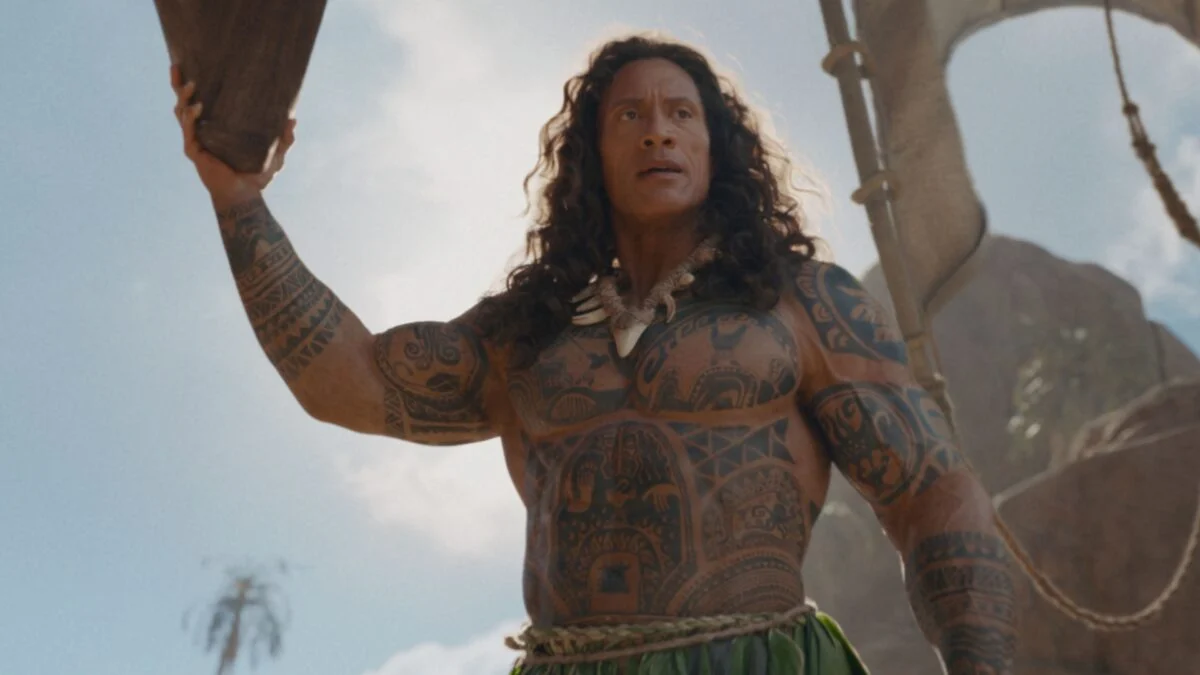
Disney’s live-action Moana brought in $95 million worldwide (€87M), including $43 million domestically (€40M). Analysts were aiming for $60–65 million domestically (€55–60M) and around $140 million globally (€129M), so the result sits noticeably below expectations.
How much did Moana make opening weekend?
Variety reported the $95M worldwide ($43M domestic) haul. That $43M is only about €40M. For context, Moana managed to squeak past last year’s live-action Snow White by roughly $1 million—about €1M more at the box office—meaning it narrowly avoided the label of lowest-grossing remake. That headline sounds worse than it is, but the signal is clear: strong marketing got people in seats early, yet it didn’t light the kind of word-of-mouth bonfire Disney usually needs.
Audiences have been kinder than critics so far, but kindness doesn’t always translate to sustaining weekend-to-weekend hold. If your social feed fills with lukewarm takes instead of fan mania, a movie’s legs die faster than studios expect.
The late-night line smelled faintly of popcorn and curiosity — why Evil Dead Burn underperformed
Warner Bros.’ Evil Dead Burn opened to $13.7 million domestically (€13M) and $27 million worldwide (€25M). That’s a step back from 2023’s Evil Dead Rise, which finished around $147 million globally (≈€135M) when the franchise returned after a long absence.
Why did Evil Dead Burn perform below expectations?
There are a few readable nerves in the data. First, franchise timing: audiences treated Rise like an event because it was the first new Evil Dead movie in a decade. Burn arrives while the series is being scheduled more frequently—Evil Dead Wrath is already penciled in for about two years from now—so the novelty has faded. Second, horror this summer hasn’t been a monopoly; Backrooms and Obsession are claiming longer tails than many predicted, meaning the horror consumer base is spread thin. Finally, marketing noise matters: if your campaign feels like static rather than a clear signal, audiences might see it as “another installment” instead of “must-see.”
Put bluntly: a franchise that once felt like a closed, intense loop now feels more like a frequently refilled well, and wells can overflow the audience’s attention.
The marquee advertised heavy hitters coming later this month — what the next weeks will tell us
Posters for The Odyssey and Spider-Man: Brand New Day already crowd the month’s trailer reel, and that affects how people decide where to spend a ticket.
If Moana and Burn are going to gain momentum, they need two things: persuasive word-of-mouth from real viewers, and a shallow drop on week two. Streaming windows and platform strategies—Disney+ for Disney and Max for Warner Bros.—loom over their theatrical life; studios know that strong early legs increase long-term licensing value. Box office analysts and outlet coverage from Variety and Deadline will watch hold percentages and social buzz more closely than absolute dollar totals from here on.
The concession stand conversation is where careers are won or lost — the emotional triggers that matter
People come for spectacle, but they stay for feelings. I want you to notice how reactions break down: are audiences tweeting specific moments, or are reviews bland and vague? Are kids replaying a song, or is the horror community debating gore vs. tone? Those micro-signals are what agents, studios, and marketers read like tea leaves.
Think of a summer release like a compass: marketing points you toward the movie, but word of mouth corrects the needle. Think of repeat business as a vault—no one breaks in if the roof leaks.
I’ll be watching the daily grosses, social metrics, and opening-week multipliers closely; studios will too. But the clearest test is simple: do people talk about the movie tomorrow with excitement, or do they say “it was fine” and move on? Which verdict do you expect these films to get?