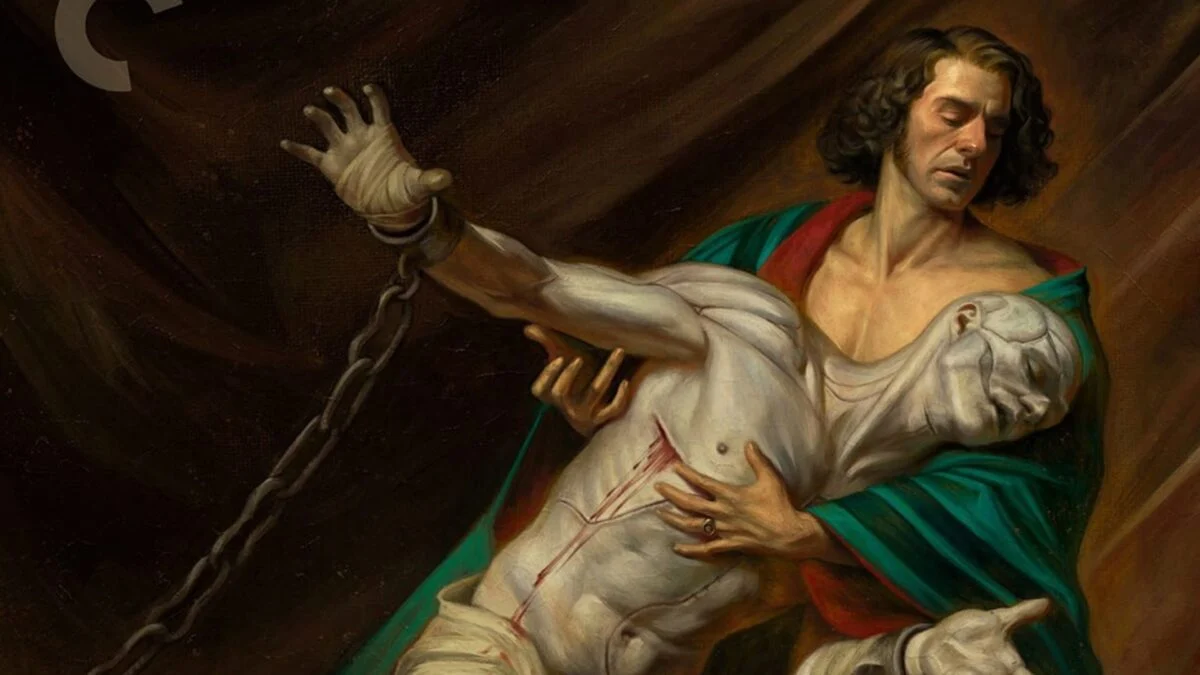
The box thuds on my doorstep and I pause, caught between impulse and ritual. I know what you do next: you turn the package over, read the credits, save the unwrapping for a quiet hour. The Criterion stamp makes a promise, and promises are hard to leave alone.
I follow Guillermo del Toro because he treats physical releases like evidence — every button, credit, and note matters. Criterion has confirmed what felt inevitable: even with Netflix behind the camera, del Toro’s Frankenstein is joining the collection, and the release is loaded for collectors and casual viewers alike.
On Criterion’s storefront: a collector’s-grade physical package that respects craft
When I clicked the Criterion listing, the technical specs read like a checklist for someone who cares. You get two 4K UHD discs presented in Dolby Vision HDR, two Blu-rays for the features and extras, and 4K digital masters of both the theatrical version and a new 158-minute extended director’s cut called Frankenstein: The Reborn Cut, both with Dolby Atmos sound.
That matters because Criterion isn’t selling a streaming snapshot — they’re archiving an edition. You should expect pristine transfers, subtitle and descriptive audio support, and packaging built to sit on a shelf for decades, not a server.
What special features are included in the Criterion edition of Guillermo del Toro’s Frankenstein?
Criterion packed this set with fresh material aimed at film students, collectors, and anyone who loves the making-of layer beneath the final frame. Highlights include:
- New audio commentary on the Reborn Cut featuring Guillermo del Toro
- The Anatomy Lesson: Director’s Cut, a new making-of documentary
- The Parlour, a suite of craft conversations with del Toro, Jacob Elordi, Mia Goth, Oscar Isaac, Dan Laustsen, Tamara Deverell, Kate Hawley, and creature designer Mike Hill
- Q&As moderated by Martin Scorsese and Patti Smith
- An interview with composer Alexandre Desplat by Jon Burlingame and an essay by Christopher Frayling
- Trailers, accessibility features, and both theatrical and director’s cuts across formats
If you follow Criterion on Twitter, or check the listing at criterion.com, the marketing clearly targets both cinephiles and professionals — people who care about scoring, production design, and archival quality.
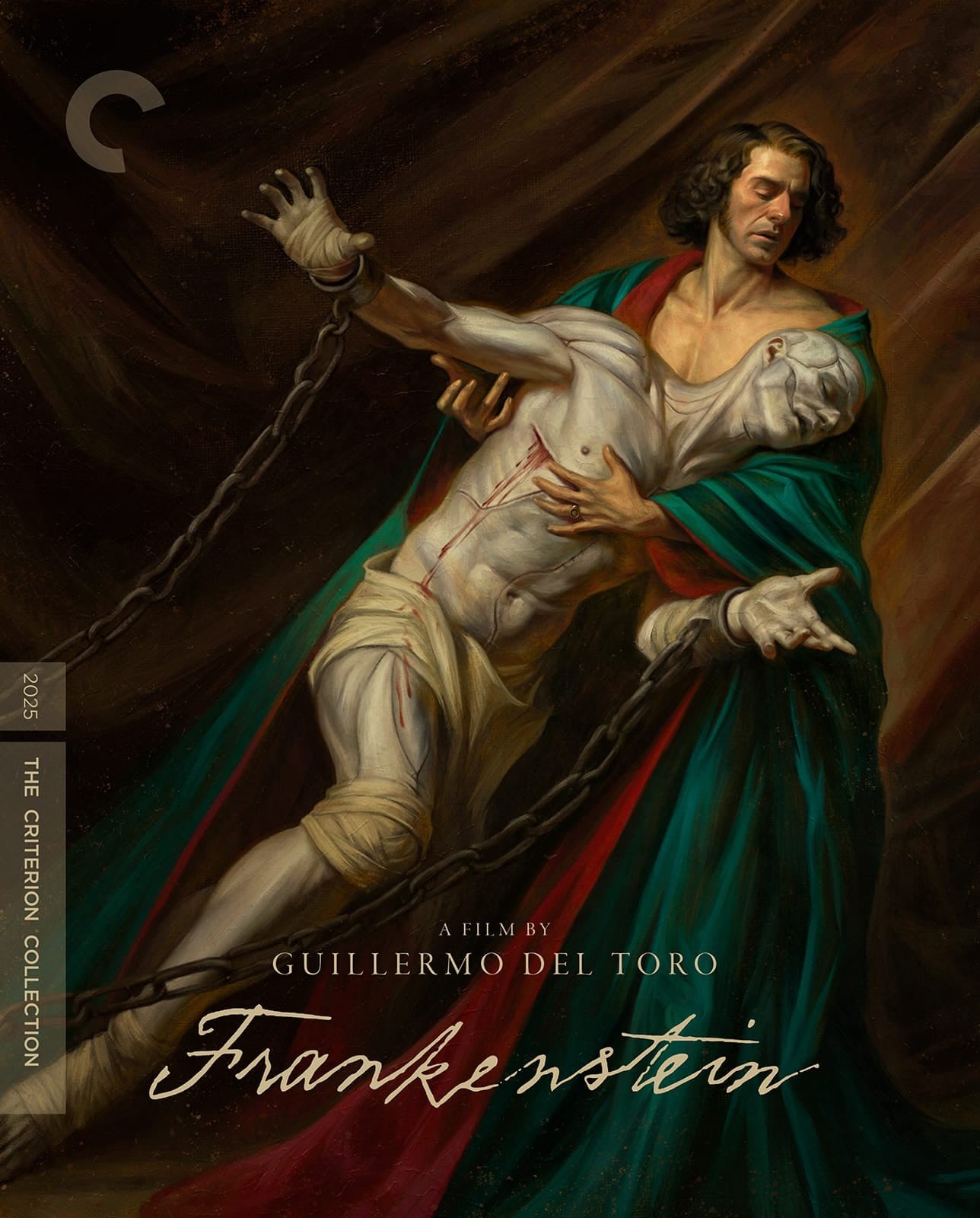
On Denver Balbaboco’s Instagram: art that re-reads the movie before you press play
Scrolling Balbaboco’s feed, you hit other pieces from this series and you immediately understand the visual brief: classical composition meets horror sensibility. The cover feels like a museum hang and a film poster at once.
The art reframes del Toro’s themes — grief, creation, and moral ambiguity — in a way that primes you to watch differently. If you follow Balbaboco on Instagram, the additional prints and process shots offer a small lesson in how packaging steers interpretation.
In press notes: del Toro added eight minutes to his film and that tweak can shift everything
The bulletin said simply: an extended director’s cut, 158 minutes. The eight extra minutes are not a throwaway; they’re a question mark that could tilt pacing, character choices, or thematic emphasis.
Think of those minutes as a spare lens or a second signature on a contract — small, but able to change how you read the whole thing. I’ve seen director’s cuts that soften a film’s moral edges, and I’ve seen ones that sharpen them; you should expect Frankenstein: The Reborn Cut to do one or the other.
When is the Criterion release available?
The set lands on October 27 and you can preorder the 4K, Blu-ray, and DVD editions through Criterion’s storefront and major retailers. Criterion’s presentation and the inclusion of both digital 4K masters make this a release that plays well across platforms — physical shelves, home theater setups, and streaming libraries backed by Netflix.
On conversation and context: the extras read like a masterclass
I watched the list and thought about who’s on the microphone: Scorsese, Patti Smith, Alexandre Desplat, and a crew of collaborators who helped build the film’s look and sound. The Q&As and interviews promise not just recollection but craft notes you can use as a template for studying set design, score, and creature design.
You and I both know those conversations are why Criterion matters: they turn a release into an archive of practice. If you care about film as skill, this is the kind of release that becomes a reference.
How does the Reborn Cut differ from the theatrical version?
We won’t know every nuance until we compare frame by frame, but expect new connective tissue — extended beats, moments that recontextualize character decisions, and possibly added scenes that foreground visual motifs. Del Toro’s commentary will be as important as the footage itself; he’s likely to explain why each added minute was necessary.
Between the deluxe audio, the archival-focused extras, and Denver Balbaboco’s cover art, Criterion’s edition is aimed at people who treat film as something to hold and study. I’d recommend treating your first viewing like a screening and your second like an examination.
Are you ready to defend which version is truer to del Toro’s intent?