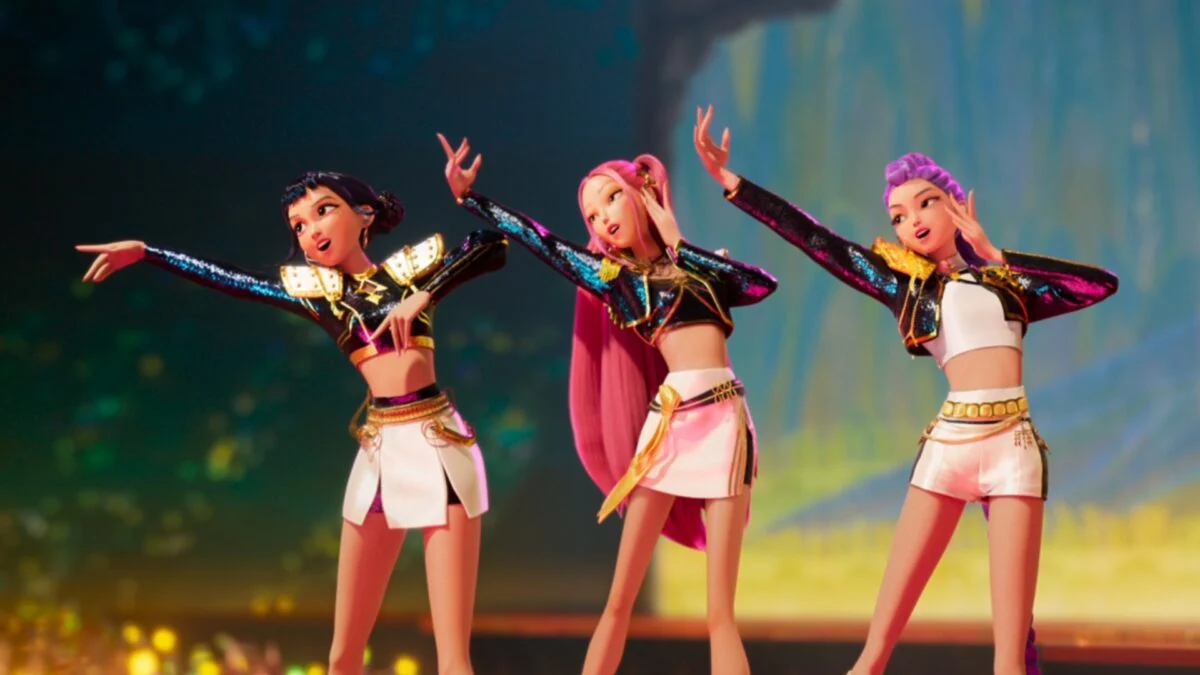
I remember sitting in a theater when someone behind me texted, “They’re still talking about this?” You could feel that little jolt—the sense that a cultural moment refused to die. You and I both know when that happens, it changes how studios, fans, and streaming platforms behave.
I track these things the way some people track weather: you learn to read the clouds. Here’s what the numbers, the merch lines, and the playlists are telling us about KPop Demon Hunters—and why it’s still a force more than a year after its Netflix debut.
Outside a pop-up, fans were trading rare pins and vinyl—why the film won’t fade from feeds
At the height of its buzz, strangers were meeting to swap merch in parking lots. That grassroots commerce is one reason KPop Demon Hunters didn’t just debut on Netflix on June 20, 2025; it became a cultural machine. Netflix’s own summary for January–June 2026 put the film as the fourth most viewed film with 130.4M views, down from the 481.6M views it logged in July–December 2025, but the cumulative total now sits at a staggering 648.7M views.
Those figures, reported alongside Deadline’s coverage of Netflix’s Q2 performance and the streamer’s What We Watched report, show a title that spread across feeds like wildfire. Awards pedigree helps: two Oscars give the film a durability most streaming hits lack, and the soundtrack’s chart success—across Billboard, Spotify, and Apple Music—keeps listeners returning and funneling new viewers to the movie.
How many views has KPop Demon Hunters received on Netflix?
Netflix’s internal tallies put the film at roughly 648.7 million views to date, with 481.6M in late 2025 and 130.4M in the first half of 2026. Those numbers are the kind you can point to in boardrooms and PR decks; they’re also the kind that keep merch booths busy on weekends.
At a coffee shop, a playlist built around the soundtrack was already viral—how fandom fuels revenue and demand
People were putting the film’s singles on loop while they worked. The soundtrack’s commercial success translates into more than streams: it drives vinyl sales, concert interest, and collectible demand. You can see the ecosystem forming—soundtrack charts push casual listeners to the film, while fandom spending turns cultural noise into measurable revenue streams.
The business side matters to Netflix and to artists: a soundtrack that tops charts drives placements on Spotify and Apple Music playlists, boosts Billboard positions, and creates licensing windows for games, TV, and ad syncs. The fandom is a small economy humming with trade, and that steady commerce makes the title harder to burn out.
Will there be a KPop Demon Hunters sequel?
Fans are already calling for KPop Demon Hunters 2, and the momentum plus awards recognition makes a sequel commercially sensible. Netflix hasn’t locked official details in public, but between the viewership metrics, soundtrack success, and active fanbase, the platform has ample incentive to greenlight follow-ups or expand the franchise across music, live events, and merch drops.
In the boardroom, investors were asking how long the effect lasts—what this means for streaming strategy
Analysts watched Netflix’s stock react to quarterly results while the film kept climbing view counts. When a single title can debut on a global streamer, chart on Billboard, win Oscars, and sustain interest for more than a year, it rewrites assumptions about content lifespan. Studios may chase hits, but few become durable cultural properties that feed music charts and retail in parallel.
For you—whether you work in marketing, production, or fandom—this is a case study in cross-platform resonance: a movie that functions like a global single and a retail brand at once. Platforms like Netflix, publications like Deadline, and outlets such as io9 are following the story because it affects commissioning, merchandising strategy, and even how awards seasons are judged.
I’ve watched trends rise and fall; few projects hold this kind of staying power. If a film can keep pulling viewers months after release while selling out merch and topping music charts, what will you change about the next project you bet on?