
I chased a sulking koala that refused to wake and found myself laughing in a tutorial. A stealthy ninja Anima slipped behind a patrol and made an enemy vanish without me touching the controls. That brief, absurd thrill told me I was playing something that didn’t pretend to be ordinary.
I played the Honkai Nexus Anima global beta after an invite from Hoyoverse, and I want to tell you exactly why this monster-catching spin feels different. You’ll hear comparisons to Pokémon and Palworld—fair—but my time with the beta revealed choices, combat, and little creature moments that kept pulling me back into the world. I’ve pushed hours into the beta so my impressions aren’t surface-level; think of this as field notes from someone who’s been in the grass while the Animas played.
Animas stand out because they act like living things
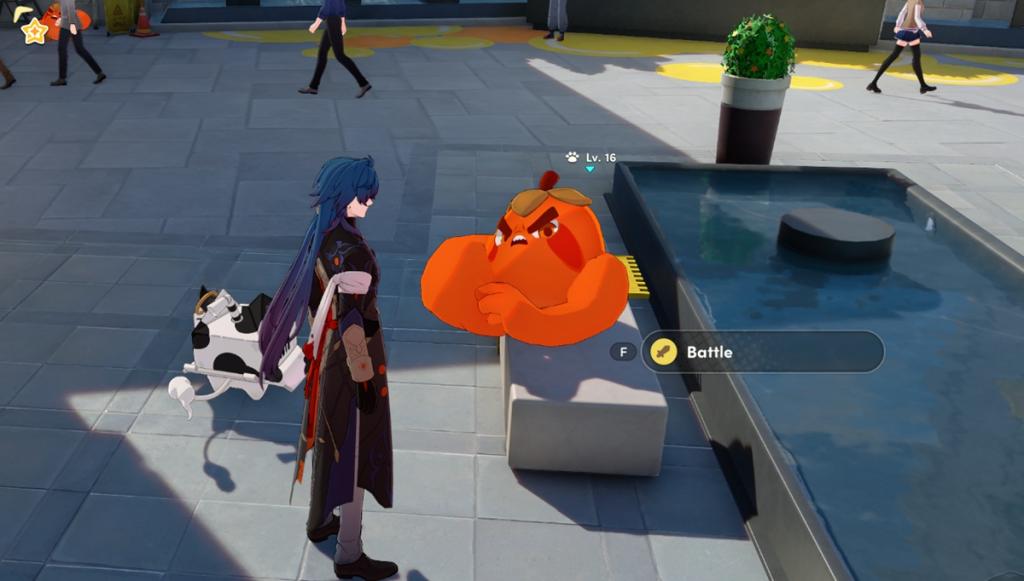
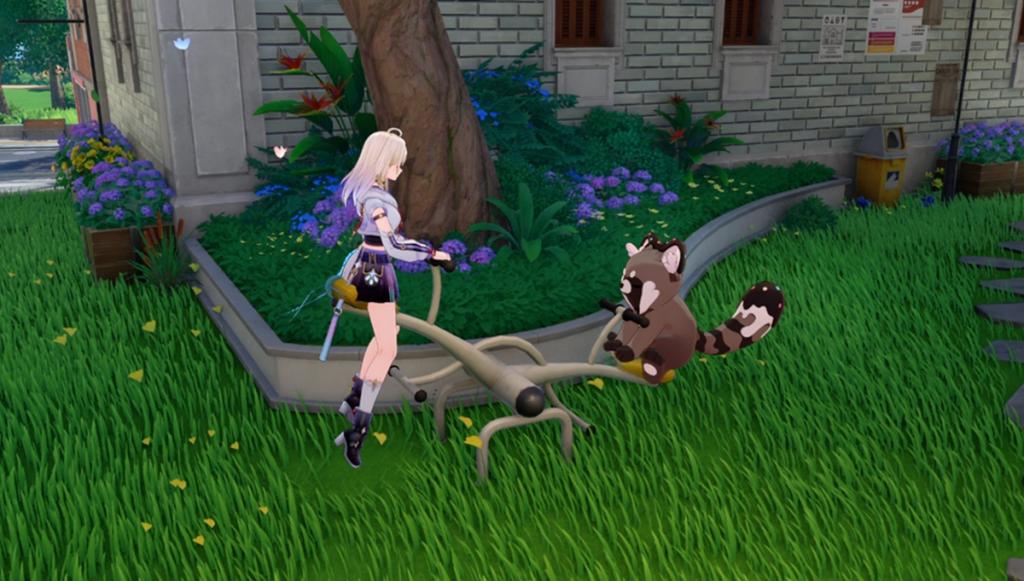
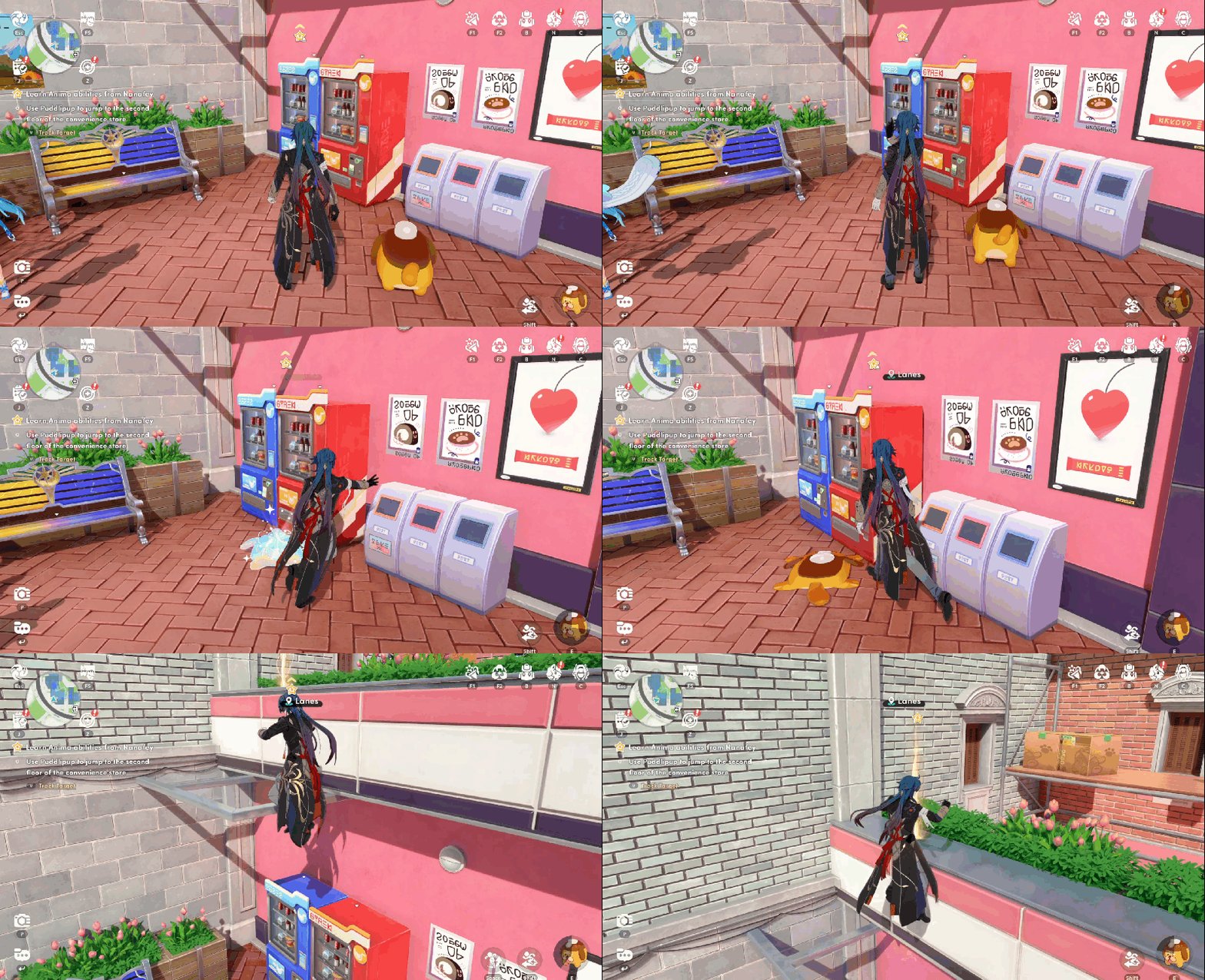
At a city park you notice each dog has a personality; some sprint, others nap in the sun. Honkai Nexus Anima captures that same variety—each Anima behaves distinctively in the overworld. They aren’t static models waiting for a battle prompt: they nap, sulk, play, and react to the environment. One koala wouldn’t wake until I fed it coffee; another ninja-type Anima let me pull stealth kills when I used it right. These bits of character make capturing feel like collecting individual personalities, not just stats on a card.
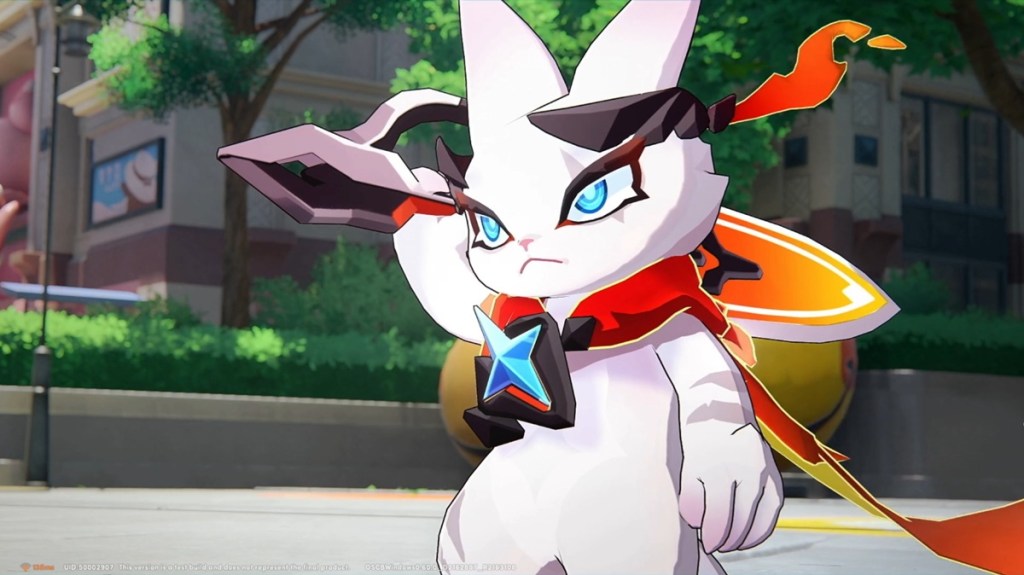
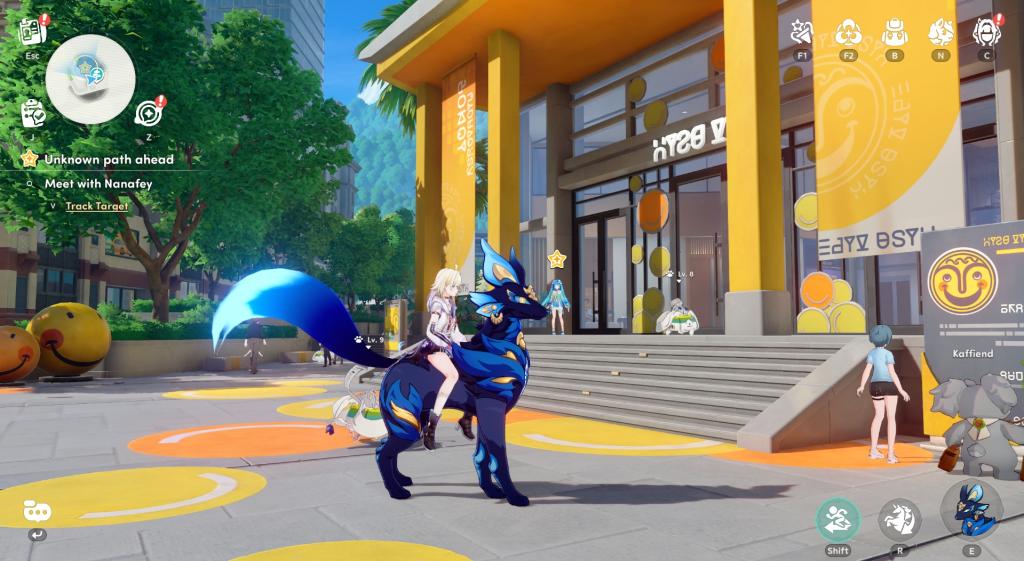
Each Anima also provides a practical ability: some break barriers, some act as springboards, others serve as mounts or gliders. I laughed out loud the first time a tutorial taught me to use an Anima as a trampoline to reach a silly rooftop—goofy and charming, the exact tonic this genre needs. You can evolve a subset of Animas, and that slow collection impulse—gotta catch them all—works because each capture adds mechanical value, not just an entry on a checklist.
Hoyoverse leans on its cosmic vocabulary, and it sticks out
At film premieres you always get a resumé of the franchise backstory; Hoyoverse does the same in its games. The writing drops interdimensional terms and proper names fast—so fast that the world feels crowded before you learn its corners. If you enjoy the Genshin Impact and Honkai Star Rail tone, you’ll recognize the pattern: a grand mythic backdrop that’s presented whether the genre requires it or not.
I liked parts of the script in other Hoyoverse titles, but in this monster-catcher it sometimes pulled focus away from the core joy—collecting and experimenting with Animas. The story so far reads like a press release full of big words, and that can blunt the charm of a simple adventure. It would have been stronger if they leaned into the Animas themselves as the primary attraction instead of an intergalactic glossary.

Combat borrows TFT’s setup, and that has pros and cons
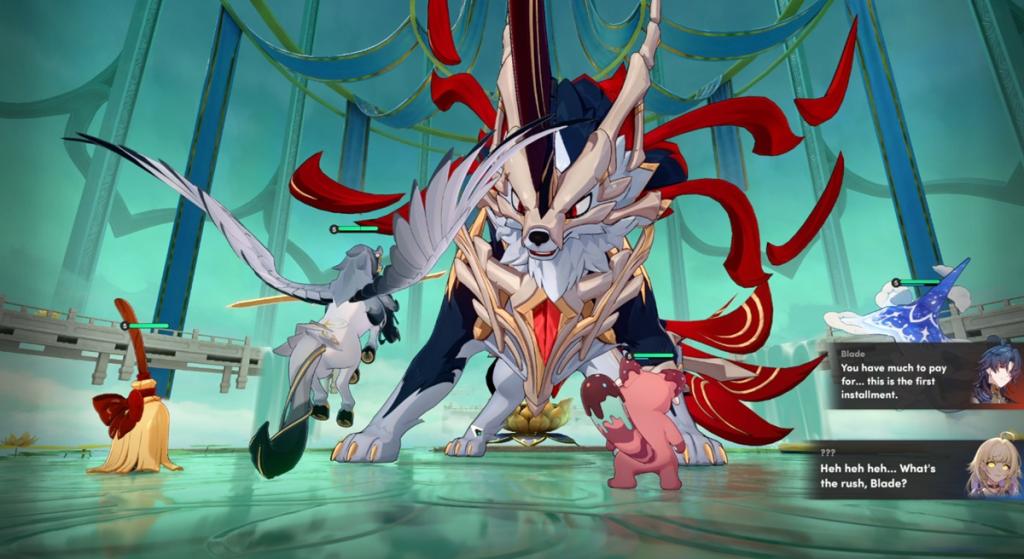
Watching a local chess club play, you notice the positioning matters more than flashy moves. Honkai Nexus Anima’s combat follows that lesson: positioning your Animas—frontline versus backline—shapes the outcome more than moment-to-moment inputs.
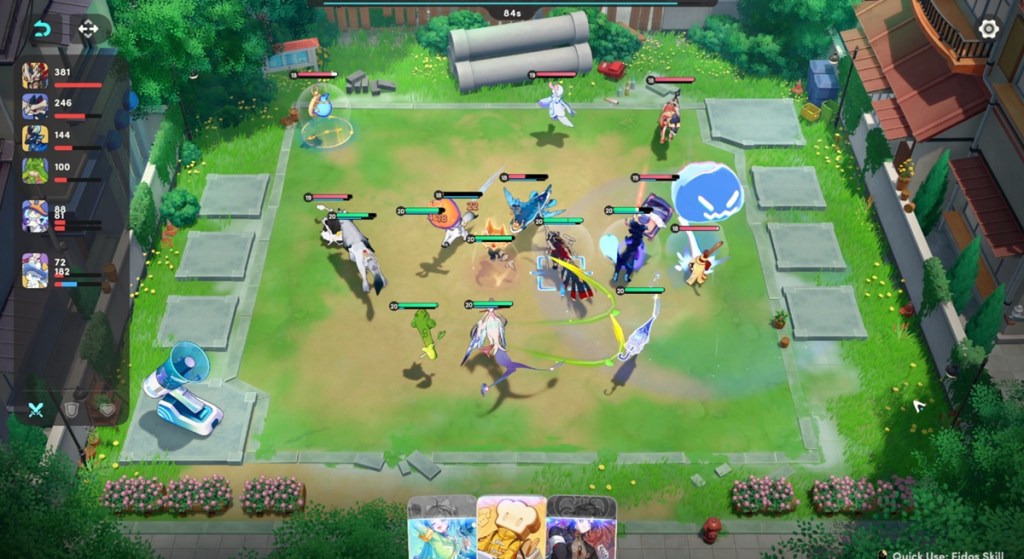
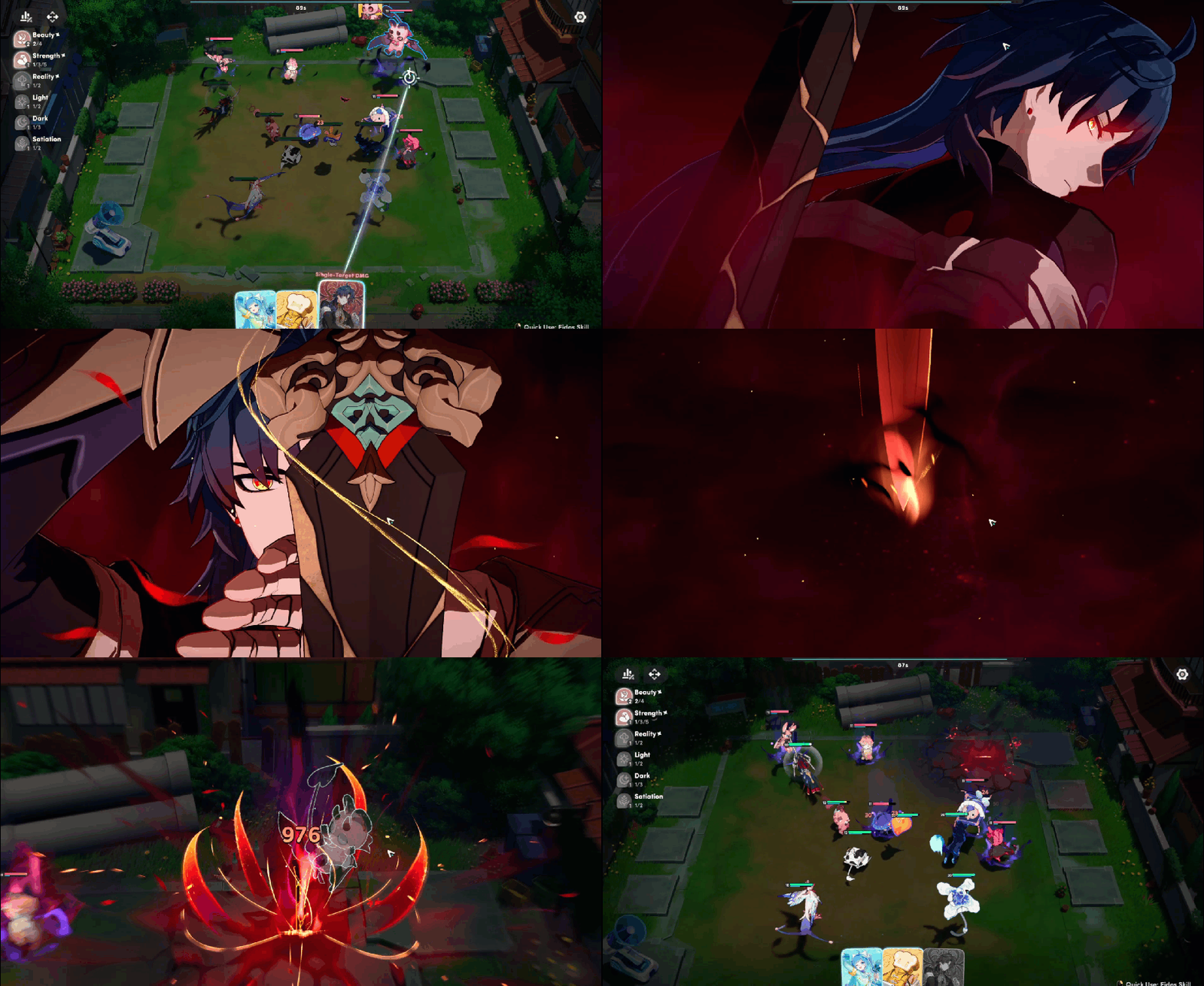
You place units and they fight automatically; Eido characters provide timed skills that tilt fights. That design rewards pre-fight planning—team comp, frontline protectors, backline burst DPS—more than twitch reactions. It felt exactly like a chess match set on a roller coaster: deliberate setup with occasional explosive swings when skills land.
How does combat work in Honkai Nexus Anima?
Combat uses a TFT-style deployment. You arrange Animas on a battlefield; frontline types absorb damage or deal close-range hits, while backline types provide support or burst damage. During the fight the Animas auto-attack when their energy bar fills, and you influence outcomes with Eido skills that charge and are used at key moments.
That gives players strategic satisfaction, but right now the gameplay leans toward autoplay when you’re over-leveled—if your Animas and builds are strong, fights resolve with little intervention. That may change in the endgame, and it’s worth watching how balance evolves after release.
Dialogue choices finally feel like they matter
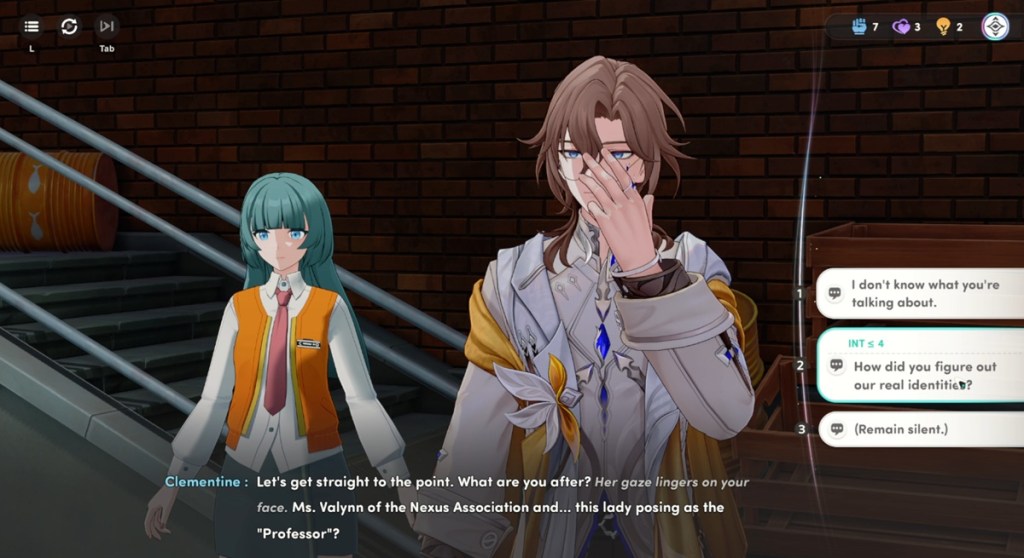
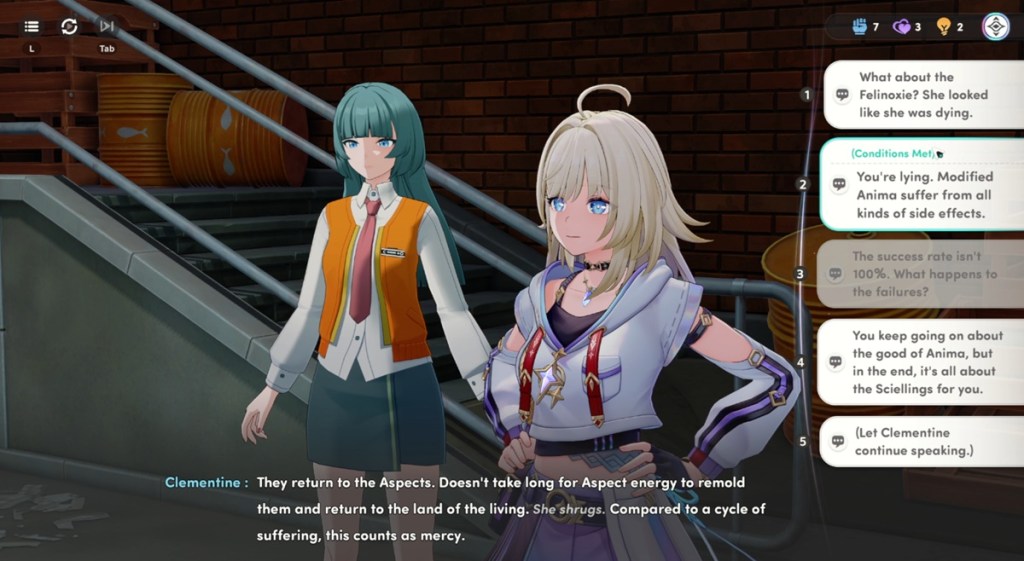
At dinner parties you can steer a conversation by how bold or charming you are. Honkai Nexus Anima borrows that mechanic: your dialogue stats—strength, charisma, intellect—open and close real options in interaction.
Can choices change the story in Honkai Nexus Anima?
Yes—more than in other Hoyoverse titles. Choices gated by stats can alter outcomes in small but meaningful ways: I once angered an actress NPC enough that she refused to battle me later. These consequences feel earned, not cosmetic. I don’t yet know how deep those branches go, but the mechanic flips a familiar Hoyoverse habit on its head: dialogue options that actually shape interactions.
The game is ambitious in the right places, even if it borrows
At trade shows you’ll see companies iterate on an idea until it clicks; Hoyoverse clearly took that approach here. They merged monster collection with gacha mechanics, strategic auto-battles, and conditional dialogue to create something that feels familiar and oddly new.
It’s worth noting the monetization will feel familiar to anyone who’s used Genshin Impact or other gacha titles—expect the standard bundle and event shop structure, with starter packs often beginning around $4.99 (€5). The game is available for beta testing on platforms Hoyoverse typically targets—mobile via the App Store and Google Play, and PC through Hoyoverse’s launcher or Steam—and it’ll draw attention both from Pokémon fans and from players who enjoyed Palworld’s offbeat direction or Digimon’s nostalgia.
There are rough edges: the narrative density can overwhelm a simple monster-collecting loop, and late-game balance will determine whether combat stays strategic or slides toward autopilot. Still, the Animas themselves are clever little designs that pull a collector instinct in you the same way a rare vinyl in a shop window might.
If you like Hoyoverse’s universe and you want a twist on the monster-catcher formula—one with tactical deployment, meaningful dialogue stats, and creatures that behave like roommates—this beta is worth at least a few hours of your time. I’ve been roaming on an Anima mount more than once and it’s kept me curious about the final release; today’s beta felt like a promise more than a finished product.
So have you tried the beta, and which Anima moment hooked you the most?