
I stared at my PS5 home screen and felt a small, stupid shock: Fortnite was no longer the default crown. Instead, a fourteen-year-old Call of Duty: Black Ops II port was sitting at number one. You probably felt that same jolt when you heard the news.
I’ve been covering games for years, and you learn to read charts like weather—what’s calm, what storms up. This week Circana data shared by Mat Piscatella showed a curious storm: the PSN most-played list in the US was dominated by nostalgia, not the usual live-service suspects. If you want to understand why an older title can eclipse juggernauts, follow me through the breadcrumbs.

I scrolled my PSN list this week and saw Black Ops 2 above Fortnite — what does that mean?
This isn’t just a retro moment; it’s a behavioral signal. Players are gravitating to a familiar formula: tight maps, predictable guns, and an immediacy that modern live-service models often trade away for events and microtransactions. I’m not asking you to choose sides — I’m asking you to notice the pattern.
Why did Black Ops 2 overtake Fortnite on PSN?
Simple drivers: a polished PS5 port, low friction to play, and an audience craving quick satisfaction. Activision released the port at a sensible price point (reports peg similar remasters around $49.99 (€47)), and that price removes a barrier for both long-time fans and newcomers. Combine that with the viral power of streamers and you get a rapid spike in concurrent players.
There’s also a cross-generational pull. Older players are returning for a comfort play—handshake routines and map memory—while younger players see a condensed lesson in competitive design. The result is a social gravity that draws lobbies back into classics the way an old hit song suddenly rules a new playlist.
I watched the weekly PSN chart and noticed modern CoD entries sliding — is Cannibalization real?
Yes. When Black Ops 2 climbs, it’s not stealing revenue from Activision so much as shifting attention away from live services like Warzone and the new Black Ops 7. That attention translates into hours, ad views, and in-game purchases elsewhere. You can think of it as audience allocation: the player base has finite time and emotional energy.
Will this hurt current Call of Duty revenue and player retention?
Short-term, it can fragment engagement. Long-term, it’s an opportunity. Activision can monetize nostalgia (remasters, legacy modes, cosmetics) while funneling players back into modern ecosystems. But publishers chasing the live-service dragon — Epic Games with Fortnite, Activision with its HQ app and Warzone — must accept one truth: players will defect to whatever satisfies them fastest.
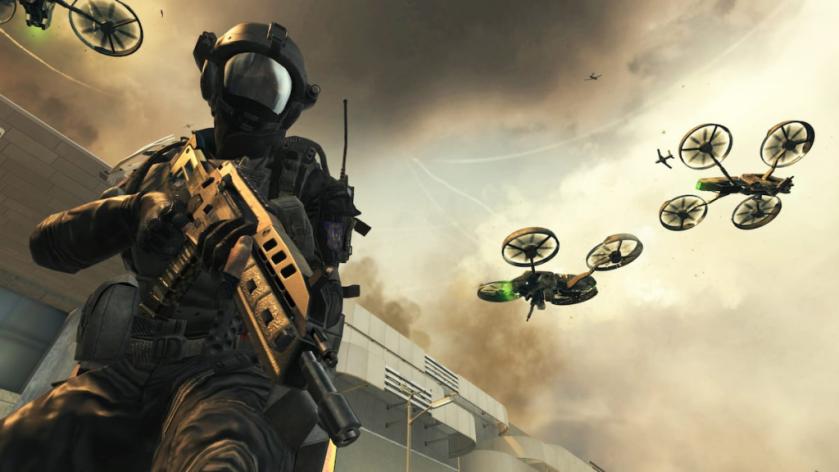
I checked the rest of the PSN list and noticed the usual suspects still holding ground.
Fortnite remains a kingmaker on Xbox while Roblox, Grand Theft Auto V, and the Call of Duty HQ app populate charts. The headline here is less about dethroning and more about attention economy: live-service titles command huge audiences, but nostalgia titles can snatch back a chunk when the execution is right.
We’re watching a tug-of-war: live services offer scale and recurring spend, but classic ports offer immediacy and goodwill. Publishers who only chase scale risk missing out on low-friction wins that rekindle player love.
I polled sources and saw an industry pattern: summer lists feel empty.
Yes, majors still release — EA Sports College Football 27 landed in the top 10 — but the weekly list feels repetitive. If you’re hungry for new experiences, your roster looks like the echoes of previous years. That’s why remasters and ports matter: they fill an appetite publishers aren’t satisfying with fresh AAA releases (full-price new AAA often goes for $69.99 (€66)).
If you’re bored, you have options: wait for late-year blockbusters, try indie surprises, or join the tide of players reliving classics. I know which I’m choosing when nostalgia calls.
I’m betting the current trend is a mix: veterans reliving old glory and young players discovering a tight competitive template. The real question for publishers is practical—how do they monetize that rediscovery without hollowing out their live services? Are you picking up your controller to chase old ghosts or new thrills?