
I froze on my feed when the yellow balloon showed up in an ad. I knew the comic before the brand did, and a small anger tightened my throat. You should feel that unease too—memes have a private life, and someone is selling access to it.
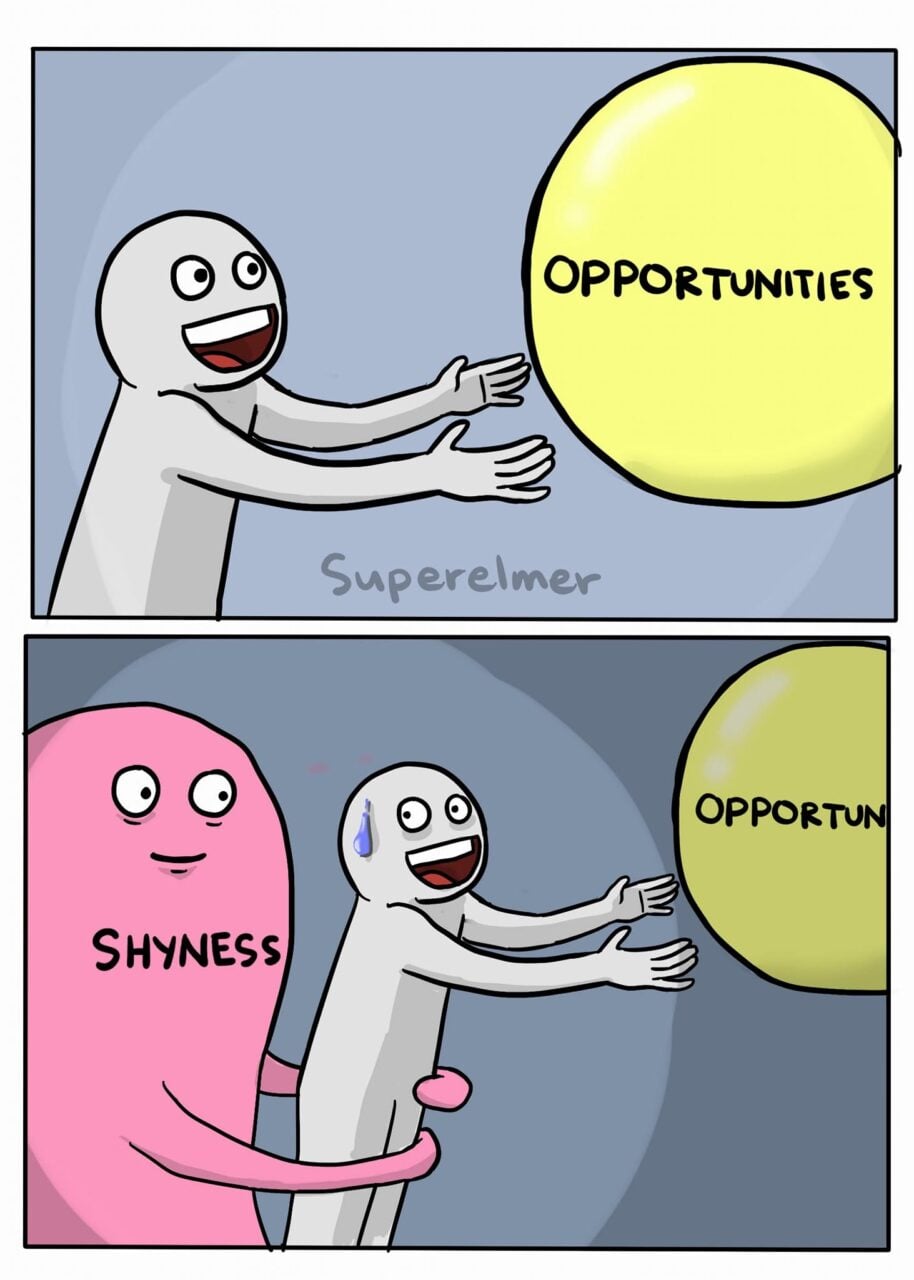
A meme template showed up inside an AI tool aimed at advertisers
I read Elmer Saflor’s complaint and felt the map of internet culture shift under my feet. Saflor, the Philippines-based artist behind the Superelmer webcomics, says Memes Apps — the company that runs Memes.ai and Memes AI Studio — listed his two-panel “Running Away Balloon” comic as a paid template for ad creators. You can picture advertisers swapping emotion for reach, but this is different: it’s a creator’s copyrighted work repackaged into a product.
One small comic has become a legal test case
Saflor sued to force discovery and an accounting of profits, asking the court to stop Memes Apps from using his work and to hand over any gains. I’m following this because it’s the moment where viral culture might be carved into legal rules. If Memes Apps is found liable, all meme-generator platforms could suddenly be on the hook for templates that started as someone’s labor and personality.
Can AI companies legally sell meme templates?
Short answer: the law is murky, and the courts are building the map. Past rulings, like the appeals court decision that found former Rep. Steve King’s campaign infringed the “Success Kid” photo, suggest commercial use is treated far less kindly than casual remixing. Eric Goldman called that ruling a signal: memes used in ads rarely qualify as fair use. That precedent turns a playful internet habit into a potential commercial liability.
I saw the same pattern before with political ads and a baby photo
In 2024 a jury found that using a meme for campaign fundraising didn’t fly under fair use — the Success Kid case. Now the argument shifts from campaigns to vendors: Saflor isn’t suing the advertisers who slapped his comic on banners; he’s suing the company that sold the comic as a template. That twist could change where responsibility lands: at creators, at platforms, or with advertisers.
Can you copyright a meme?
Yes, elements of memes can be copyrighted if they meet originality thresholds. Saflor’s character and panel layout aren’t just templates in his view; they’re his expressive work. You and I both know how quickly an image becomes a shared shorthand online, but shared doesn’t mean free to commercialize.
Memes AI Studio and the ad economy are colliding
Memes Apps didn’t comment publicly when asked, but the platform’s business model matters here. Tools that sell ad-ready meme templates—sometimes at price points like $1,000 (€920) monthly for premium access—move cultural artifacts into cash flow. That shift is a velvet glove hiding an iron fist: memes become inventory, and creators risk losing control of their own reach.
There are real stakes for creators and platforms
Saflor wants an accounting of profits and damages. If courts order reimbursements, platforms might face retroactive exposure and advertisers could be forced to pull campaigns. I’ve seen creators negotiate licenses directly, but when AI vendors turn viral formats into product catalogs the bargaining power flips. Think of cultural capital being swiped at checkout—a parasite with a credit card.
What this case means for you, the creator or marketer
If you make or use memes, this ruling will matter. I advise you to check permissions before turning a viral image into a revenue stream. Platforms such as Memes.ai and Memes AI Studio operate at scale; when scale meets copyrighted work, disputes escalate fast. You should be asking where your content appears, who profited from it, and whether a license was granted.
The bigger legal question courts will answer next
Saflor’s goal is broader than one comic: he wants discovery to show how AI-powered platforms ingest and monetize creators’ work. Ars Technica published his comments and Eric Goldman has warned the legal community that a losing ruling for Memes Apps could ripple through every meme generator. So this is no small skirmish — it’s a potential reset of norms that govern how culture is turned into product.
Memes feel informal, but they sit on legal soil now. Will the internet shift back toward respecting creators, or will every punchline be listed on a price sheet for advertisers?