
I clicked the new promo at 11:37 p.m. and sat still. Within seconds I felt the same cold jolt the forum threads would later describe. You should watch it—and then ask yourself how this passed as promotion.
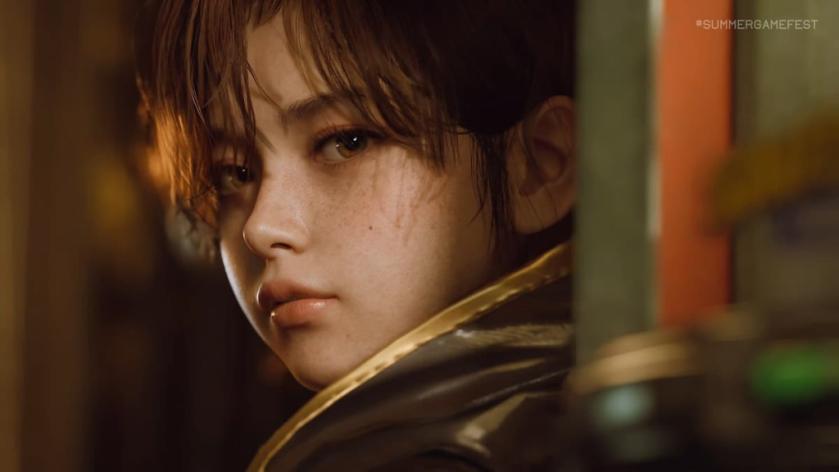
Shift Up dropped a music video for Stellar Blade: BLOODRAIN last night that wears its AI pedigree like a badge—only the badge is rusted. The clip stars protagonist Evie performing to a track called Wanna be in LOVE, and the studio openly admits the footage was “created using the game resource… and regenerated with AI support.” The result landed somewhere between a badly dubbed foreign film and a mirror smeared with Vaseline.
On X the clip was crucified by fans. The immediate fallout shows how tone-deaf execution can overshadow even a major IP.
I monitor game chatter for a living, and this one lit up every marquee thread. Replies to CEO Kim Hyung-tae’s post and the official Stellar Blade account read like a grievance catalog: pleas to stop using generative AI, calls to hire artists, and a steady drumbeat of disappointment.
Kim has publicly championed generative AI before, and this feels like an experiment pushed into public view with no guardrails. People aren’t just criticizing quality—they’re questioning intent. Are you selling art, or PR theater?
Why did Stellar Blade use AI for the music video?
Shift Up says it used in-game assets plus AI to “regenerate” a promo—an efficiency play that trades craft for speed. That saves time, but it also strips control. Video models can smear facial features, flatten movement, and produce that uncanny valley freeze that kills immersion. On YouTube and X, those artifacts are what people notice first.
The visual choices are sparking a wider argument. This isn’t only about one clip—it’s about what studios prioritize when they have established creative teams.
Fans point to the studio’s own artists and animators, and that contrast is painful. If you have skilled people who can sell emotion and weight, why route promotion through an experimental AI pipeline? The backlash mixes aesthetic unhappiness with a sense of betrayal: the sequel’s protagonist was billed as “more appealing” than the original Eve, but the AI-generated face reads younger and less convincing.
Some replies are blunt: “How can you expect us to be hyped when all you’ve promoted is AI?” That’s not just critique; it’s a forecast of momentum loss if the studio doubles down.
Is the AI video hurting the game’s reputation?
Short answer: yes, at least in the court of public opinion for now. A marketing piece meant to build excitement is failing to convey the game’s craft. Conversation has shifted from release expectations to how and why the video was made. In the attention economy, that pivot can cost pre-orders and trust.
Shift Up’s posture matters. When a CEO champions generative AI, the company voice becomes the test case for broader industry choices.
Kim Hyung-tae is not a neutral figure here—his public support of gen-AI turns every misstep into a statement. That amplifies reactions, and it forces stakeholders to choose sides: defend innovation in production, or defend human artists and the polish they deliver.
Platforms are part of the story too. X (formerly Twitter) and YouTube functioned as accelerants: a short clip, a CEO post, and the community lit the match. The video models behind the scenes—commercial rigs or bespoke pipelines—matter, but so does the decision to present work-in-progress as finished marketing.
I’m not asking you to accept an aesthetic you dislike. I’m asking you to notice the mechanics: a major studio leaning on AI for a high-visibility promo, community backlash that centers on quality and ethics, and a CEO who seems to court controversy rather than defuse it. That triangle is where reputation gets reshaped.
For studios, the lesson is thin: technology can amplify reach, but mishandled it amplifies criticism. For players, it’s a reminder that the narrative you consume about a game—how it’s presented, by whom, and with what tools—matters as much as the game itself. So will Shift Up course-correct and let human artists reclaim the conversation, or are we watching a new norm take hold?