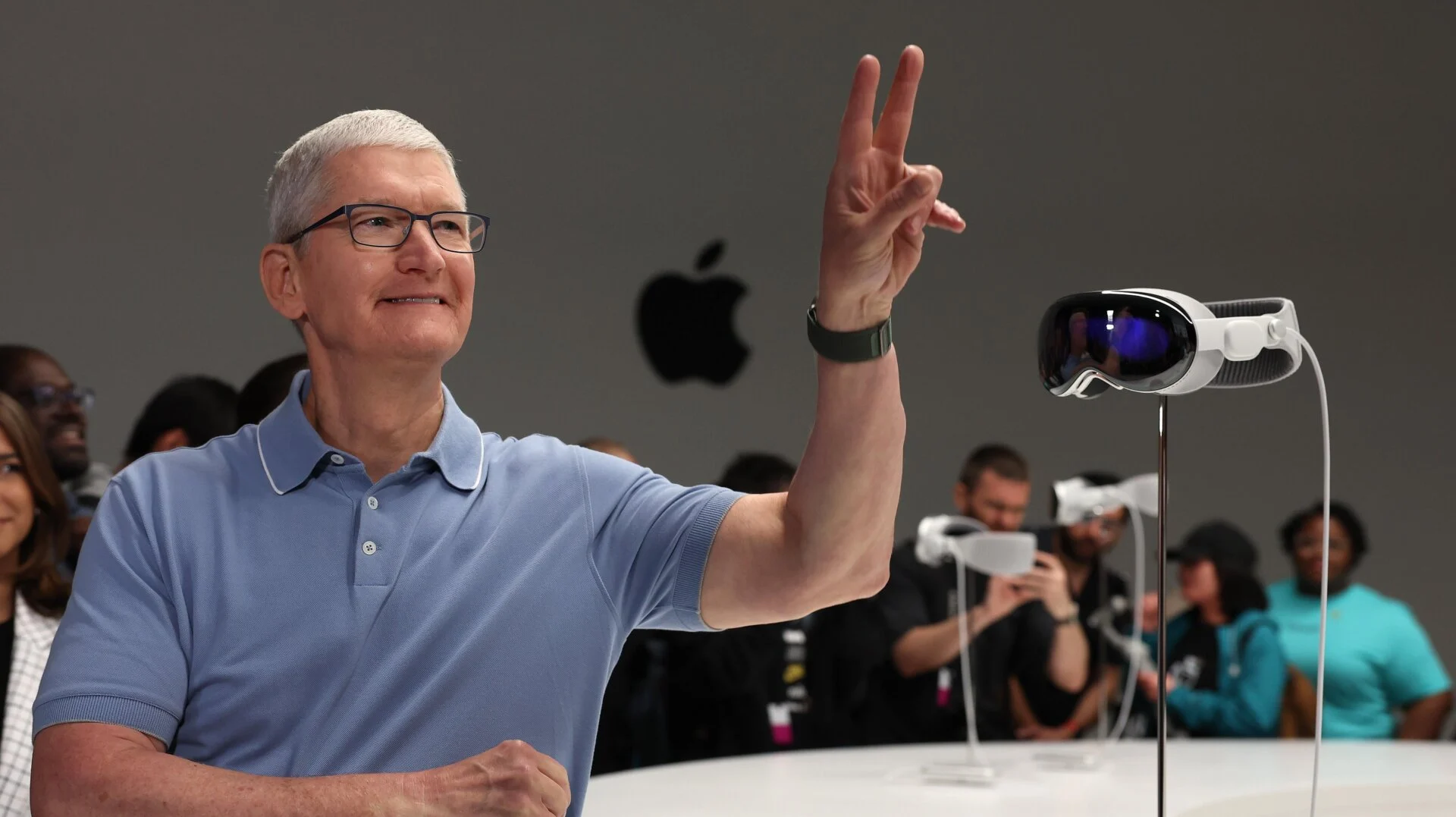
He closed the call and the room went quiet for a beat. Tim Cook had just signaled a shift that could change how many of us use Apple every day. For anyone who treats Siri as background noise, the silence was oddly loud.
I listened to the call, and if you follow Apple closely you felt that nudge: the company that built a fortress around your data is now testing how big a gate it can put on convenience. You know the setup—Cook stepping down as CEO next month, John Ternus preparing to take the reins—and on July 30 he used his final earnings call to say something simple and sharp about Siri AI: heavy use could trigger a price change.
A stranger in the beta program told me Siri answered questions about their calendar with unnerving accuracy.
Cook framed Siri AI as a product of Apple’s philosophy: private, personal, and meant to “change how users find information and get things done.” That pitch carries weight because Apple has spent years selling privacy as a differentiator. MacRumors, Gizmodo and Fortune have all tracked the halting road to Siri AI’s public beta, and the consensus was obvious—Apple avoided shipping a half-baked assistant.
On the call Cook said people testing Siri AI have excited Apple, and that’s telling: when a beta tests out of user behavior, it reveals demand and cost. From my reporting and conversations with testers, Siri in beta is far more than a voice that sets timers; it’s a context engine that pulls from Notes, Messages, calendars and other personal data to answer questions with your life in mind.
An analyst leaning forward on a conference call asked about compute bills and Apple answered with a pause.
Apple described a hybrid data model—mixing its own centers with paid cloud services—to handle AI workloads. That setup isn’t cheap. Michael Ng’s question about compute costs drew a candid line from Cook: the economics are still settling, and heavy usage could push users into paid iCloud tiers.
“We’ll see what Siri AI does from the cost side of it. There’s also the ability when people use it a lot for them to move up on an iCloud Plan as well. What the balance of that is [is] a bit uncertain at the moment.”
Apple had already said certain AI camera features would require at least a $9.99 per month iCloud+ plan ($9.99, €9.30 per month). That’s a concrete precedent: some intelligence tied to your device will only arrive behind a subscription.
Will Apple charge for Siri?
Short answer: maybe. Cook’s language was deliberate—he didn’t promise a subscription but he signaled a business model where frequent use nudges users toward paid tiers. You should prepare for Siri AI to be treated differently from the built-in Siri you ask about weather and timers.
How much will Siri cost?
No fixed price for Siri AI itself was announced. The clearest signal is the iCloud+ tie: Apple already gates certain AI camera features at $9.99 (€9.30) per month. Expect pricing to follow tiers rather than a single sticker—free access with limits, and richer experiences for paying customers.
Will Siri require iCloud+?
Some features already do, and Cook’s comment about users “moving up” on iCloud Plans suggests the deepest Siri AI functionality will be bundled with iCloud+. If your assistant needs ongoing server compute and broader personal data access, Apple will prefer those sessions run inside paid accounts.
A developer on a forum said they watched their phone’s battery and data spike after extended Siri sessions.
The cost story is two-sided: it’s expensive for Apple to run and convenient for you to use. I want to be clear—this is not a purely cynical move. Apple is balancing user privacy, on-device computation and expensive cloud inference. But the result looks familiar: premium features that sit behind subscription walls.
Apple has planted a toll booth on the highway of free assistants. Siri AI will give you a far richer, more personal assistant, but some of the most powerful uses may arrive only if you pay.
An investor on the call was already imagining margins; I was imagining everyday trade-offs.
For people who live inside Apple’s ecosystem, the value is real: a Siri that reads your Notes and remembers context will save time. For everyone else, it will feel like a convenience slowly nudging toward additional spend. Apple’s move mirrors what other platforms have done with generative AI—offer a compelling free layer, then monetize heavy users.
Siri AI is a Swiss Army knife whose most useful blades sit behind a paywall.
Gizmodo has said Siri AI “does not suck,” and that’s relevant: users will adopt a better assistant quickly. But adoption changes behavior, behavior creates cost, and cost begets pricing decisions. You should ask: how much convenience is worth a monthly bill, and how much of your personal data will you let an assistant read to make that convenience sing?
Will Apple’s bet on privacy and context survive the moment it becomes a revenue lever?