
I wake to a hospital beep in my head and a father on the page who has nothing left but one last story to read. He falls asleep beside his son and wakes inside a battering-ram of nightmare corridors. You know the kind of grief that turns memory into a weapon — Rafał Jaki made a whole manga out of that blade.
I’ve followed Jaki since Cyberpunk: Edgerunners crashed into Netflix and Crunchyroll’s orbit, and his new manga, Brain Alive, reads like an elegy written in action beats. I want to tell you why it matters if you care about high-concept anime, Soulsborne games, or smart genre mashups.
My apartment smelled of ink and cold coffee — How Jaki turns grief into a game
I’m not exaggerating when I say the first chapter lands like a punch to the ribs. Daniel, a father whose wife is dead and son comatose after a crash, reads his son a dark fantasy novel to keep him company. When Daniel sleeps he wakes inside his son’s dream: a dungeon that borrows Soulsborne mechanics, where death is a lesson and progress is painfully limited.
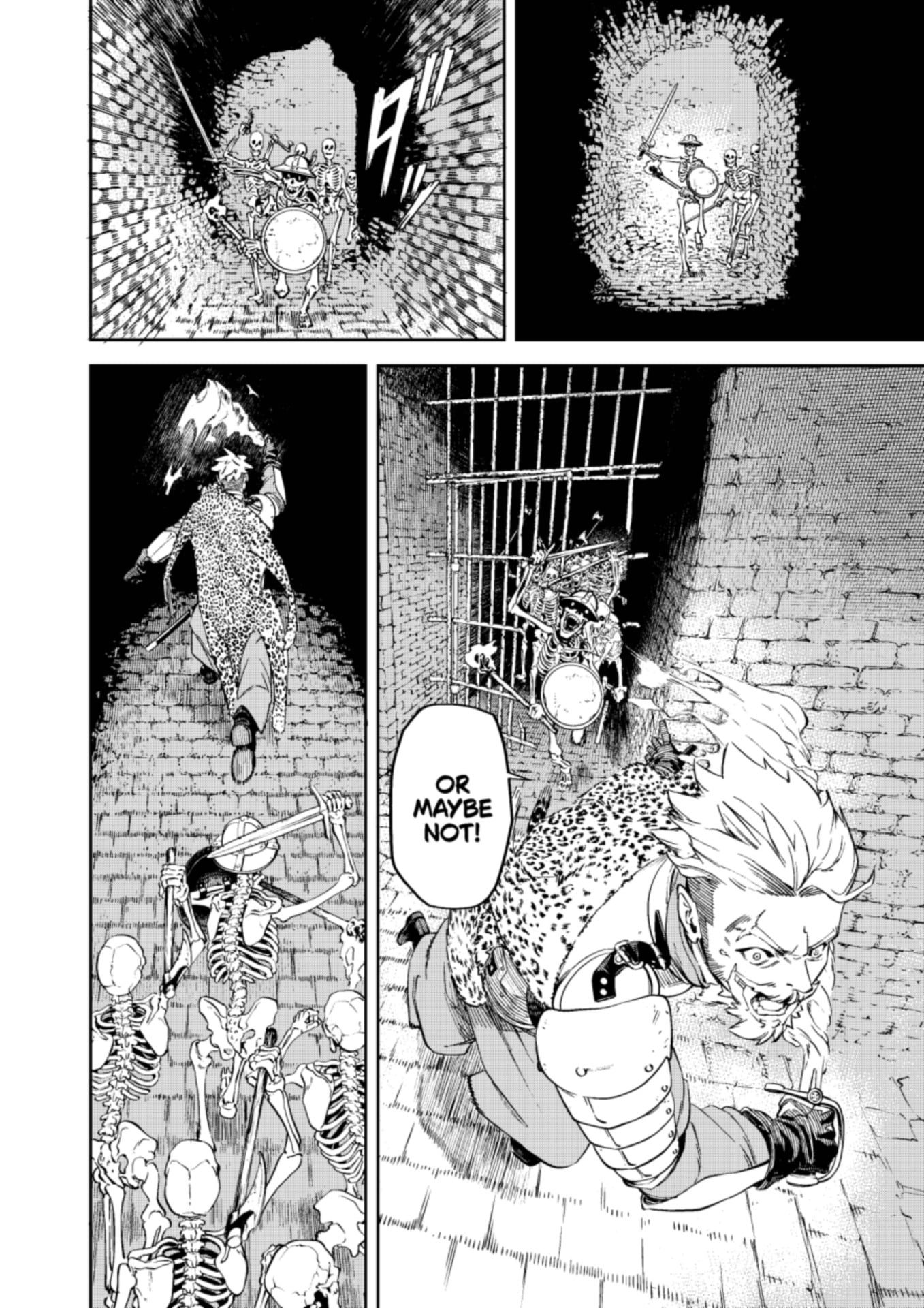
There’s a simple engine at work: every dream-run is scarce, measured, and scored against a ticking real-world clock. Daniel’s gains are persistent but finite, a roguelike rule grafted onto a Soulsborne skeleton. The threat isn’t only monsters; it’s the knowledge that every attempt chips away at a limited number of chances to save his son.
I pressed play at 2 a.m. — Why Brain Alive feels like Inception meets Soulsborne
The first chapter pins you with two very specific pulls: Nolan-scale dream-logic and FromSoftware’s combat gravity. The dreamscape uses a rule set that borrows from Kamen Rider ZETZ — Daniel enters a lucid construct informed by games he loved with his family. That structure gives every skirmish emotional stakes.
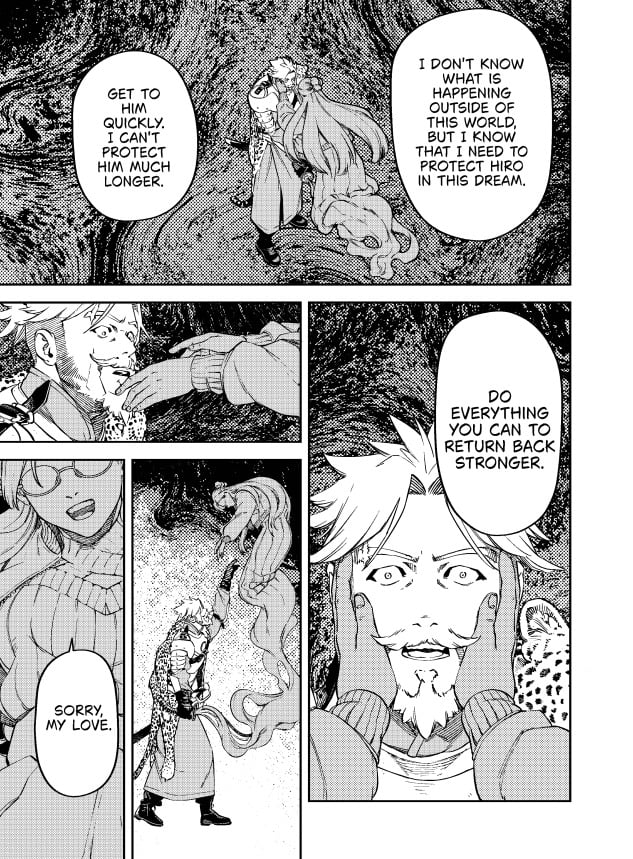
Jaki doesn’t trade pathos for spectacle. The dead wife’s spirit living in a fire sabre guides Daniel through boss rooms and weak points, which folds grief into skill acquisition. If you play FromSoftware titles and remember the cold ritual of learning a bosses’ tells, you’ll feel that same muscle memory here — except the muscle is your heart.
What is Brain Alive about?
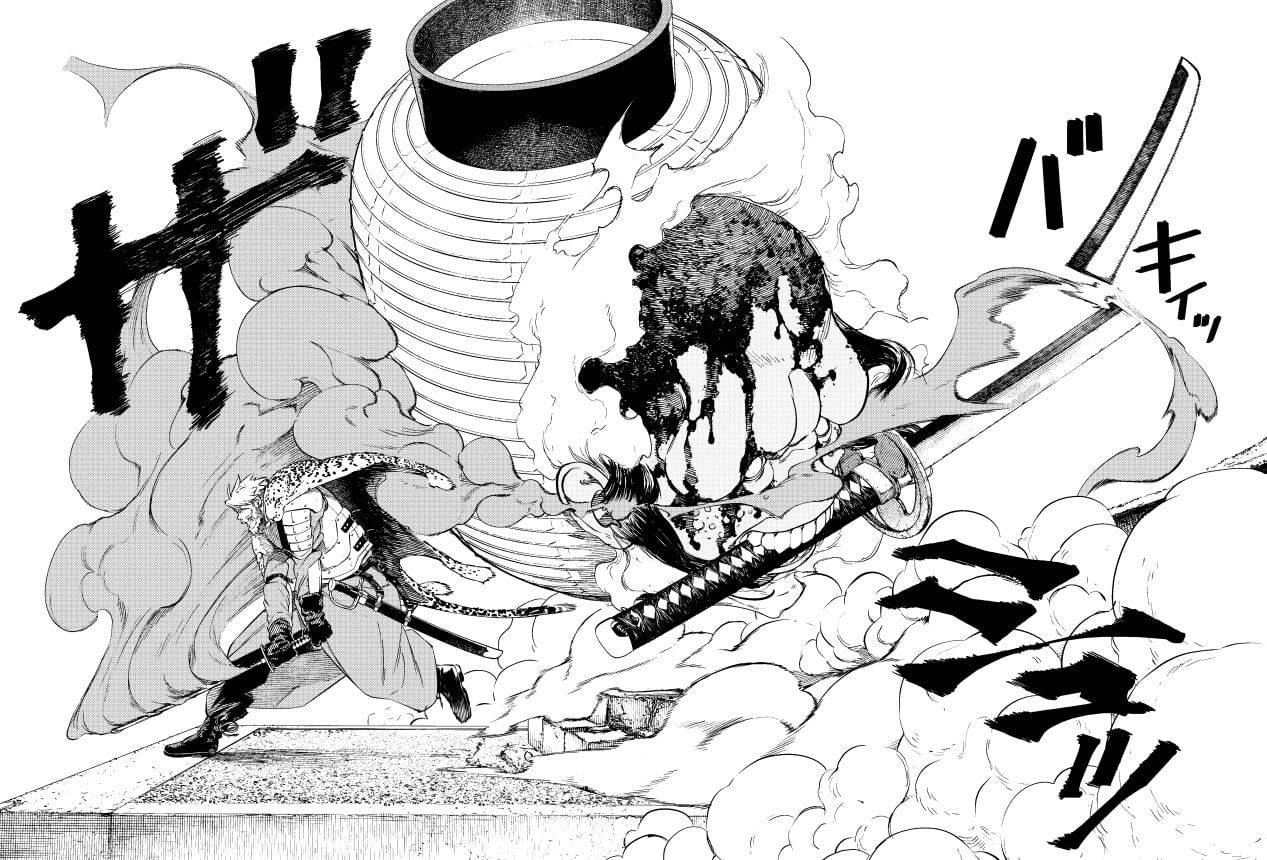
At its core, it’s a story about a father using dream runs to claw his son back to life, but Jaki layers genre fingerprints — dark fantasy, psychological thriller, and video-game logic — so the emotional freight never becomes resentless spectacle. Artist Machine Gamu gives the monsters weight; the pages move like a camera rolling through a ruined arcade cabinet.
How is Rafał Jaki connected to Cyberpunk: Edgerunners?
You already know his name if you followed the show that made Crunchyroll voters flip in 2023. Jaki created season one and then pushed further into manga with No\Name, a concept that turned names into powers. With Brain Alive, he carries that willingness to bend rules into an emotional engine — a signature move that brought him to Manga Plus and attention from outlets like IGN.
The paperback at my feet was cracked — What the dream rules mean for stakes and players
Jaki treats mechanics as moral constraints. Daniel can only enter his son’s dreams a limited number of times; each run is a committed act. That scarcity makes every dodge, parry, and boss defeat carry weight beyond gameplay mimicry. You don’t get to retry endlessly the way many isekai or game-adjacent manga forgive failure.
The result is a rare balance: the manga borrows from game design without indulging in wish-fulfillment fantasy. Jaki’s background writing game scripts and comics — credits include Dark Horse’s The Witcher 3: Ronin and work tied to The Witcher: Old World — shows. He writes rules that force characters to act like real people pressed by impossible choices.


Where can I read Brain Alive?
Jaki posted the first chapter free via a public link on X/Twitter, and the English release is scheduled later this year. His prior work, No\Name, runs on MANGA Plus and Shueisha’s platforms. If you want a taste before the official English release, that Drive link is the fastest route — and IGN has run interviews that unpack his movement from animation to manga.
I’ve kept two metaphors in my pocket for a reason: the dream functions as a locked arcade cabinet and Jaki’s pacing is a loaded camera shutter — both point to the same fact: the manga treats mechanics as story. If you care about storycraft or games-as-structure, Brain Alive feels like a lesson you won’t want to skip.
If you’re the kind of reader who measures emotional return on time, will you let a father’s limited runs teach you how much a scene can cost and how much it can pay back?