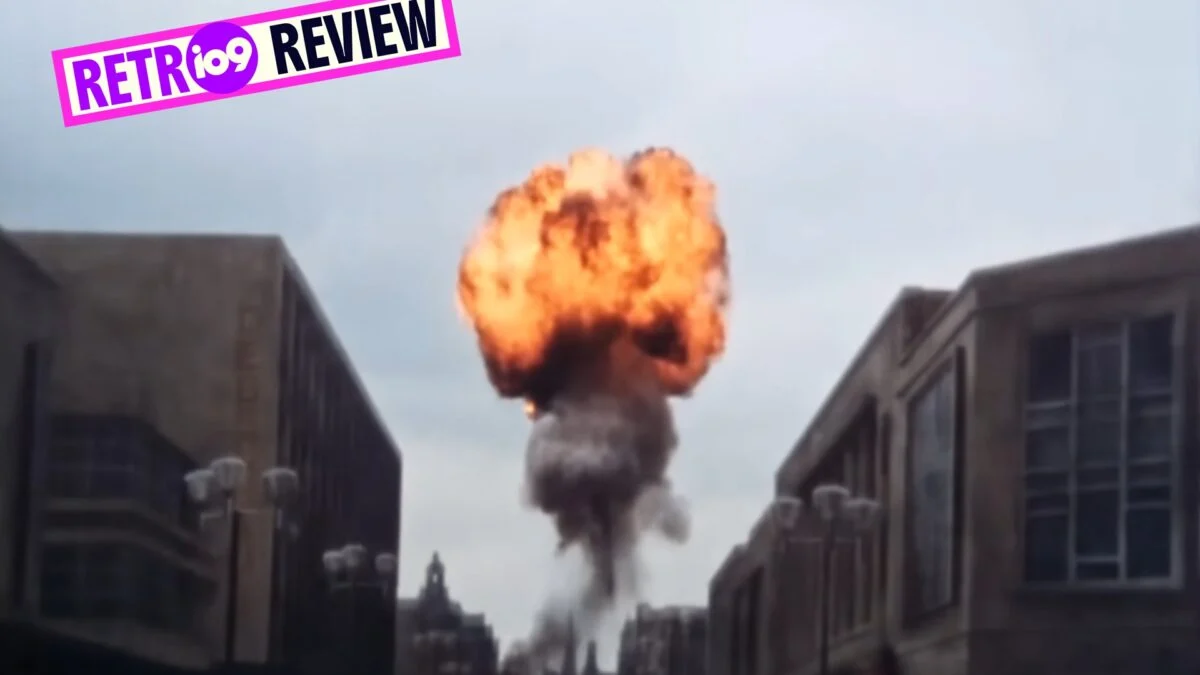
The television set clicks on. The newscaster’s face, calm and procedural, unspools dates and directives. Then the sky folds and everything you took for granted is suddenly evidence.
I watched Threads the first time with my hands clenched under a blanket, and I still return to it when I want to test how television can make you feel responsible for history. You will notice how the BBC treats ordinary life as its primary character, and that choice is the engine of the show’s cruelty.
On a Sheffield street there are kids buying chips at a corner stall, and that small scene sets the whole scale
The drama begins by cataloguing what people do when nothing catastrophic seems imminent: they argue, fall in love, swap gossip. That quiet specificity—pregnancies, class lines, a shotgun wedding—anchors the unfolding catastrophe so you don’t watch abstract statistics, you watch neighbors.
What is Threads about?
Threads follows ordinary Sheffield residents as geopolitical tensions spin into a full-scale nuclear exchange. Written by Barry Hines and directed by Mick Jackson, the film moves from domestic argument to citywide annihilation, then follows survivors through the first desperate years after the blast. It places human consequence ahead of headline spectacle, and that editorial choice is why the picture still bites.
The comparison everyone makes—The Day After in the U.S.—helps, because that film frames the event with star power. Threads
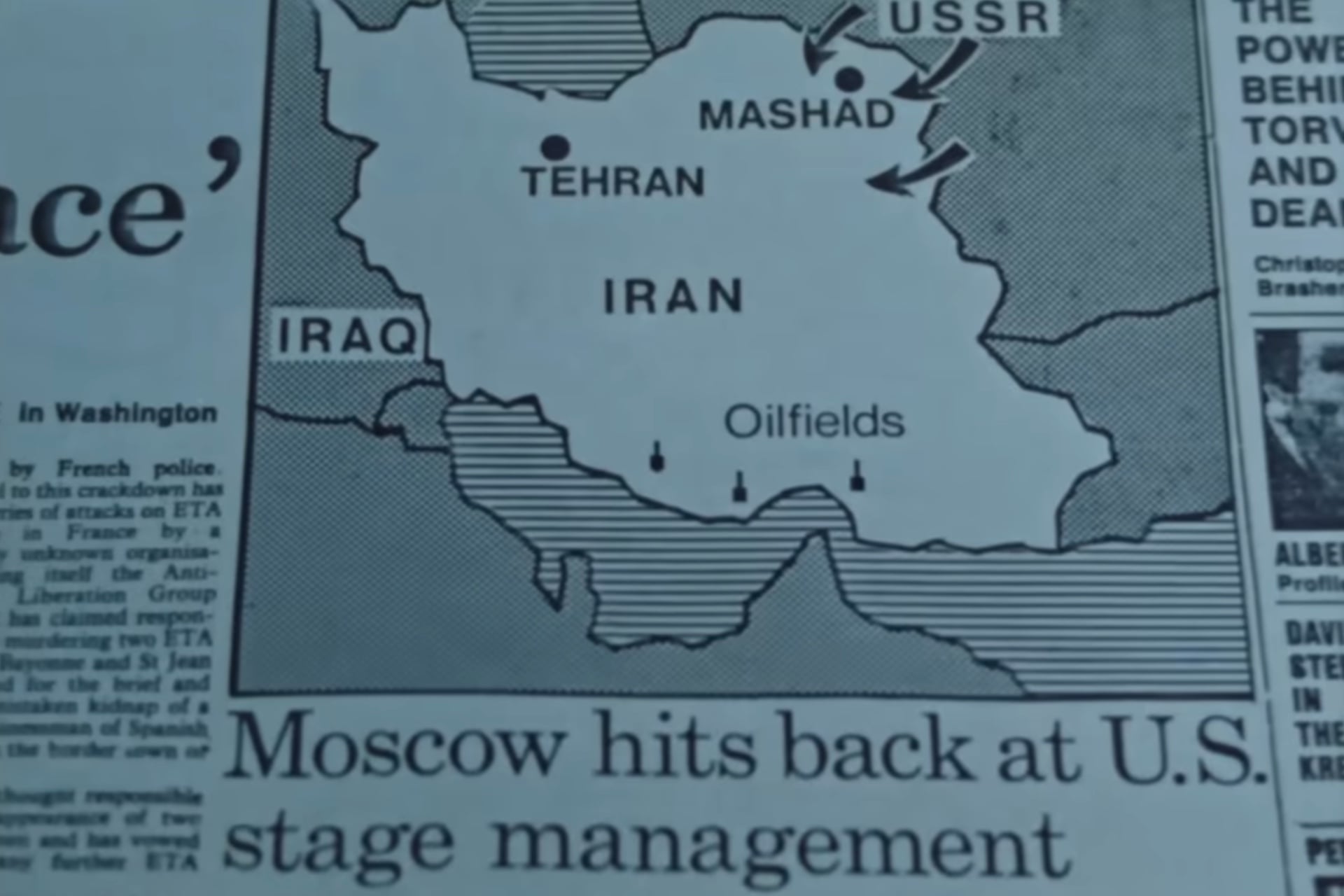
In an austere municipal office a clerk receives a sealed directive and reads it aloud; that plain delivery makes the dread feel bureaucratic
The film stages escalation as paperwork and weather reports, not as melodrama. When the electromagnetic pulse bangs the lights out and communications vanish, it’s not just a plot device: it robs the city of response. You feel the rules of modern life disintegrate—fuel, food, the ability to call for help.
Threads is a cold mirror held up to ordinary life, and because the mirror shows detail—how hoarding, denial, and duty interact—the moral questions become personal. The producers make you watch neighbors choose selfishness or sacrifice, and that choice workup is what haunts you later.
Is Threads realistic?
Yes and no. The EMP, the sequence of targeted strikes, and the cascading infrastructure failures reflect plausible effects of large-scale nuclear exchange; the film even cites the total of “3,000 megatons” to imply planetary reach. Its depiction of radiation sickness, social collapse, and the absence of coordinated relief is cruder in specifics but truer in pattern: institutions fail, and survival becomes improvisation.
On a ruined street a mother gives birth alone in an empty house, and that one scene makes you understand the scale of generational damage
The post-blast chapters are where Threads stops being scenario and becomes prophecy. There is no triumphant rebuilding, no shorthand restoration to “normal.” Instead you get scarcity, violence, and the long attrition of illness. That is why the series was banned from casual consumption in some households—it refuses consolation.
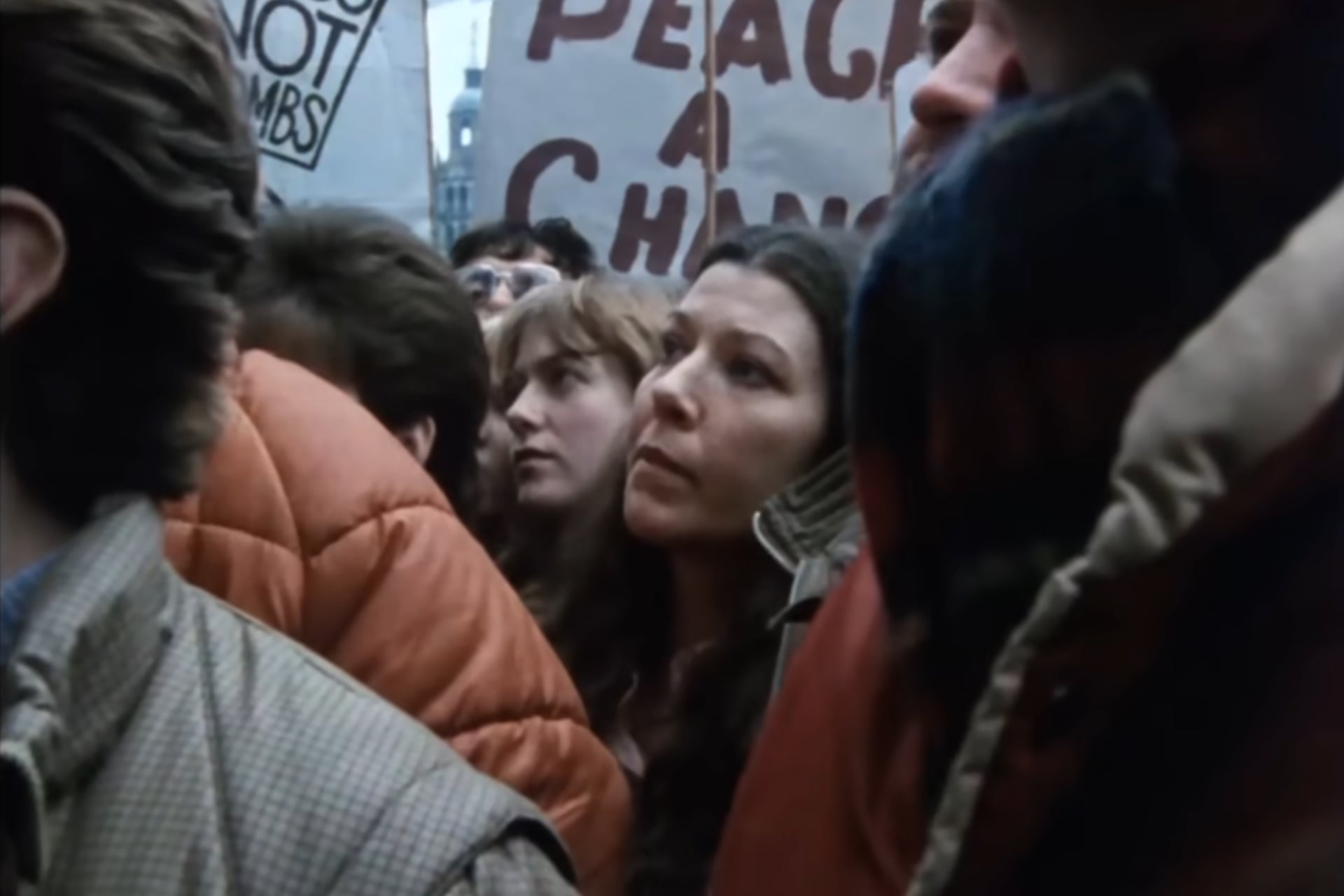
The film is a white-hot ledger of consequences, and you carry its debits long after the credits. That ledger restores moral weight to everyday acts and shows how policy decisions fall into private lives.
Where can I watch Threads?
Threads originally aired on BBC Two in 1984 and was shown in the United States in 1985. It is now streaming on Shudder, which picked up the title for its catalog of horror and boundary-pushing genre work. If you use Rotten Tomatoes or IMDb to check reviews, you’ll find contemporary critics and historians still reference its influence when they talk about media responses to nuclear anxiety.
I tell you this not to frighten but to make a choice about what you watch and why. If you stream Threads tonight, expect a sustained moral interrogation, not just a special-effects display.
How does a thirty-something artifact of Cold War broadcasting still unsettle viewers living in a very different geopolitical moment?