
I watched a playtest clip and the room went quiet—no applause, just an awkward rustle of chairs. Designers glanced at timestamps; someone muttered “December.” You could feel the project shrinking around a date on a calendar.
I cover games so you don’t have to squint at press blurbs and their spin. I’ll tell you what Bloomberg’s Jason Schreier and a string of insiders have pieced together, why this matters to PlayStation’s strategy, and what it means for the future of Horizon. Read this as a field report with a clear warning: the clock is loud.
The playtest room smelled of stale coffee — why Guerrilla is stripping out the live-service bones
Private tests didn’t land. Schreier reports Guerrilla has been quietly rebooting Horizon Hunters Gathering since June, shifting away from the live-service model toward a smaller, co-op-focused package with a story mode. That’s not a gentle pivot; it’s a restart designed to excise the systems that testers found brittle.
According to the report, the studio now has through December to hit a milestone that convinces PlayStation executives to keep the project alive. If you look at the pitch—Monster Hunter-style combat, a cartoony art angle inside the Horizon universe—the idea sounded promising. But the live-service scaffolding proved heavy and fragile, and the team opted to remove it rather than paper over the cracks.
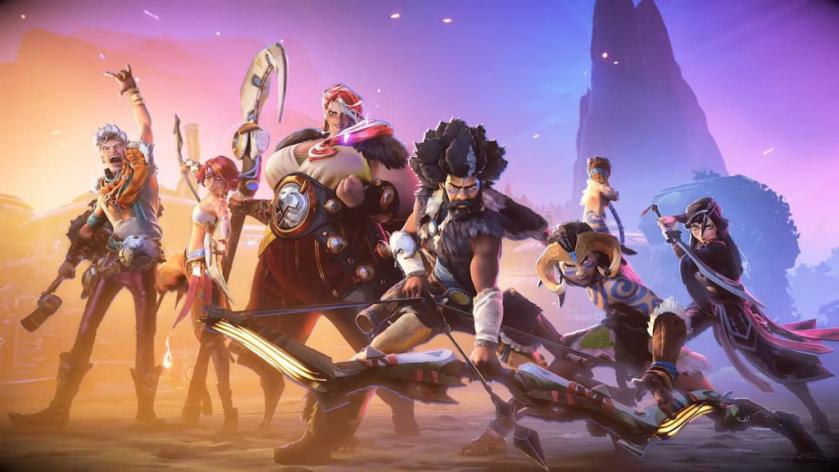
Is Horizon Hunters Gathering canceled?
No—at least not yet. The project is being rebooted rather than killed outright. But “reboot” here means a shrink in scope and a change of ambition, and that carries its own risk: studios often lose time, morale, and budget when a near-complete direction is abandoned. You should read “reboot” as a last-resort repair mission.
The whiteboard still had December circled in red — what this says about Sony’s live-service bet
PlayStation placed several big bets on live-service for the PS5 era, and most haven’t paid off. There are a few wins—Helldivers 2 and steady releases like MLB The Show—but projects such as Concord imploded, and Sony reportedly canned live-service spin-offs for The Last of Us, God of War, and Marvel’s Spider-Man.
Those failures have consequences. Teams shrink, updates stop—Bungie moved off continuous updates for Destiny 2, and its new Marathon has struggled to keep players. The strategy has become a house of cards: a few successes mask a larger pattern of projects that can’t find traction or justify the long-term investment.
Why are PlayStation live-service projects failing?
You can point to complexity, rising costs, or misread player demand. You can also blame timing—many studios are still learning how to run live ecosystems at scale while protecting single-player legacies. When executives and creative leads disagree on scope, the result is often belts-and-suspenders design that pleases nobody in playtests.
The development floor felt crowded with people who wanted different outcomes — the human cost and the franchise risk
Schreier’s reporting says almost all of Guerrilla has been focused on Hunters Gathering for years. That means the next mainline single-player Horizon is likely years away, and fans who buy into the franchise’s single-player DNA are left waiting. You and I both know what happens when a studio bets the farm on one project: morale frays, IP goodwill erodes, and the next big release grows thinner.
Guerrilla’s pivot is an attempt to salvage creative work and protect the franchise, but it’s also a sign of broader friction inside Sony’s publishing playbook. Executives want steady live revenue; creators want focused design. When those goals collide, the product morphs into something neither side trusts.
I don’t envy the people making the call. I also don’t want fans to be surprised by another canceled or hollowed-out title after a few patches. If PlayStation can’t produce a clear model for sustainable live games, will fans keep giving time and money to unproven experiments?