
I dropped into a late-night MW4 lobby and watched three players vanish before the round ended. The scoreboard filled with quit flags and a small, furious knot formed in my chest. In that moment the argument stopped being abstract—this is a live experiment with real people, and I felt it.
I joined an Open playlist and the matches felt uneven. The numbers say Open matchmaking raised quit rates and tanked engagement.
You’ve heard the claim: give players easier games and they’ll stay. Activision’s postmortem on Black Ops 7 tells a different story. From launch through season four, the Open vs. Standard comparison showed:
- 32.7 percent higher quit rates
- 14.4 percent fewer kills per minute
- 5.3 percent lower win rates
- 59.2 percent more “Not Fun” ratings
Those are blunt numbers from Activision’s telemetry; they say shifting the weight away from skill reduced retention and satisfaction for many players. I respect the data, and you should read it suspiciously and sympathetically at the same time—suspiciously because metrics don’t capture heat of a single play session, and sympathetically because a churned player is a lost player.
How does SBMM work in Call of Duty?
SBMM is a matchmaking layer that weighs recent performance to group similar players. Activision says every major Call of Duty—including the PS5 ports of Black Ops 1 and Black Ops 2—has used skill as a factor. What changed in BO7 was the experimental “Open” playlist that downplayed skill, and the system’s real-world fallout was visible in aggregate session metrics and satisfaction scores.
I loaded the PS5 remasters and so did a lot of other people. Nostalgia reopened the debate about what “good matchmaking” even means.
When the BO1 and BO2 ports hit PS5, a chunk of the playerbase said older matchmaking “felt right.” Activision pushed back, noting every Call of Duty has factored skill, and then rolled Open matchmaking in BO7 anyway. That experiment created a split: some players praised easier lobbies; others found the matches brittle and less rewarding.
Why do players quit more under Open matchmaking?
Open matchmaking reduces the skill floor, which can increase early satisfaction for weaker players but often leaves better players frustrated. Activision’s data suggests that while some players stuck around more under a new experimental equation introduced later, the early Open experiment produced more quits and “Not Fun” reports—anxiety and boredom show up as exits.

I spent a night in the MW4 beta where both systems ran side-by-side. The company said they’ll keep watching metrics and player feedback.
Activision told players it would run the new experimental matchmaking equation alongside the Open system in the MW4 beta. The developer reported early wins for the experimental approach: quit rates down across skill groups (more than 41 percent lower for over half of players since season five), shorter search times, and improved average ping. They also admitted some top players face tougher competition, but—critically—they’re quitting less.
Those are product decisions from Activision, Infinity Ward, and Treyarch-level teams that own the metric dashboards and the player-facing messaging. You should judge both the telemetry and the trade-offs: better retention might mean fewer blowout matches, which some players love and others loathe.
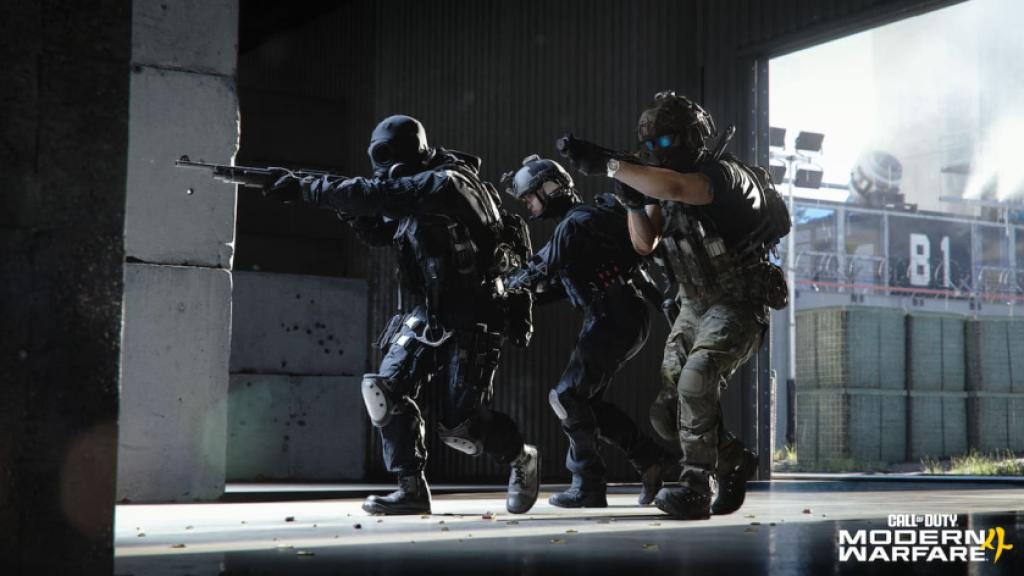
I’ve been on both ends of a skill-driven match and neither feels purely fair. The emotional churn is real, and it complicates simple answers.
You feel punished when a strict SBMM system snaps you into tougher matches after a hot streak. I get that. At the same time, players who face repeated blowouts quit too. SBMM is a magnet pulling different groups in opposing directions; it creates micro-ecosystems inside a single game. Matchmaking is a thermostat trying to hold a comfort temperature across millions of players and thousands of variables.
Activision’s language is telling: “Call of Duty is about having fun and matchmaking exists to support that. Our goal is simple: make every match a good match.” That’s product leadership speaking in terms of retention and sentiment, not pure player preference. I respect the honesty, but I’m also wary—product choices that optimize for the median can flatten the extremes you love.
So where does that leave you and me? You’ll keep testing queues, switching playlists, and complaining on social platforms like X, and I’ll keep watching telemetry, patch notes, and beta behavior from Infinity Ward and Treyarch. Is it possible to build matchmaking that keeps both grinders and casuals engaged without turning the game into a slow-motion training course?