
I put on Bone Tomahawk expecting a routine Kurt Russell Western. By the second act my chest tightened; the final scenes left me unsettled. Later, I realized there was life before watching it, and then there was life after.
I’m telling you this because I want you to feel the surprise I felt—the one that sits at the intersection of respect and dread. I’ll guide you through how S. Craig Zahler turned a familiar setup into a movie that reprograms your nerves, why the cast keeps you tethered while everything around them frays, and where you can actually watch it when you’re brave enough.
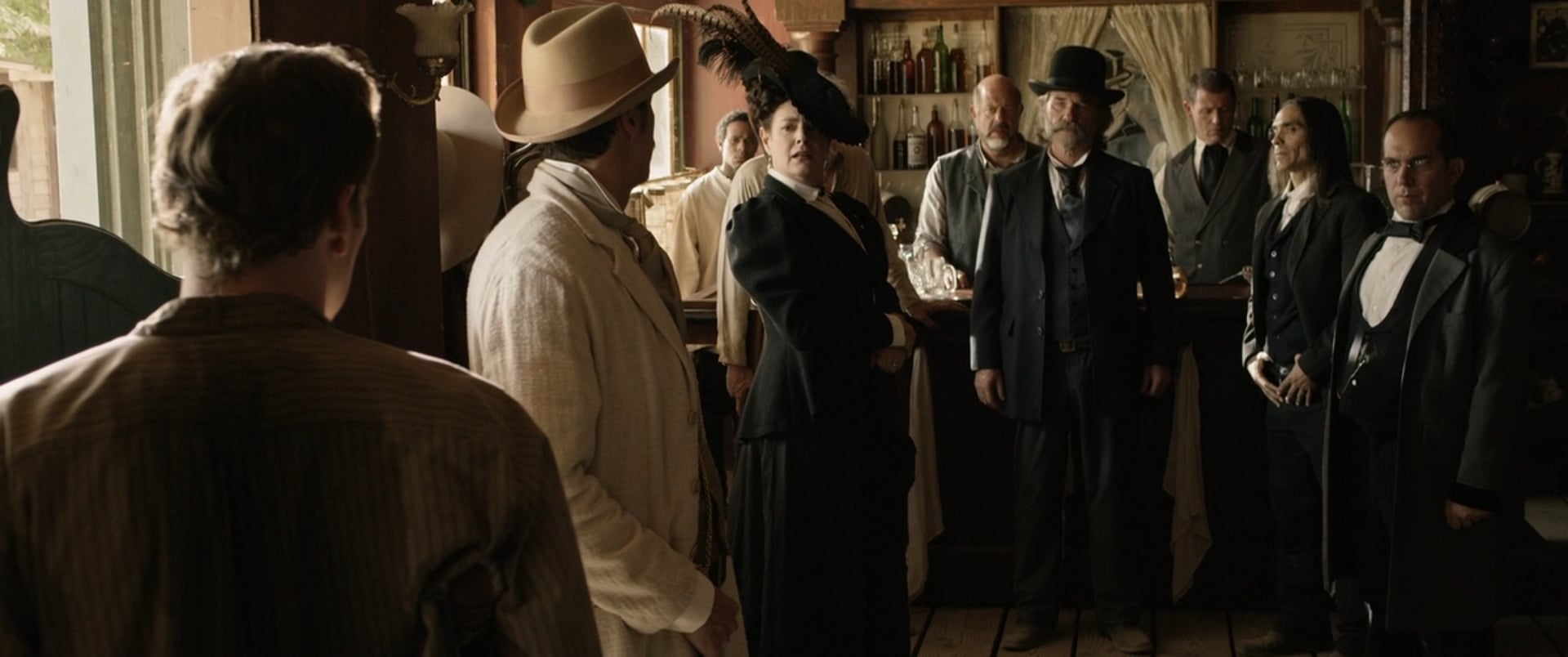
At a bar in a small town, strangers trade stories over whiskey. What the setup hides
The opening plays like a simple Western: a drifter, a mustachioed sheriff, a daffy deputy, a sharp young doctor, and a brooding gunslinger. You know who’s who—Kurt Russell anchors authority, Richard Jenkins provides the human center, Matthew Fox broods, Lili Simmons gives the stakes an emotional pulse, and David Arquette’s Purvis is the fuse.
The script lulls you into comfort with crisp, slightly anachronistic dialogue that makes these characters feel lived-in. That slow intimacy is a trap: performance and tone pull you into a road-trip camaraderie so believable you won’t notice the floor giving way—Bone Tomahawk is like stepping off a pier into black water.
What is Bone Tomahawk about?
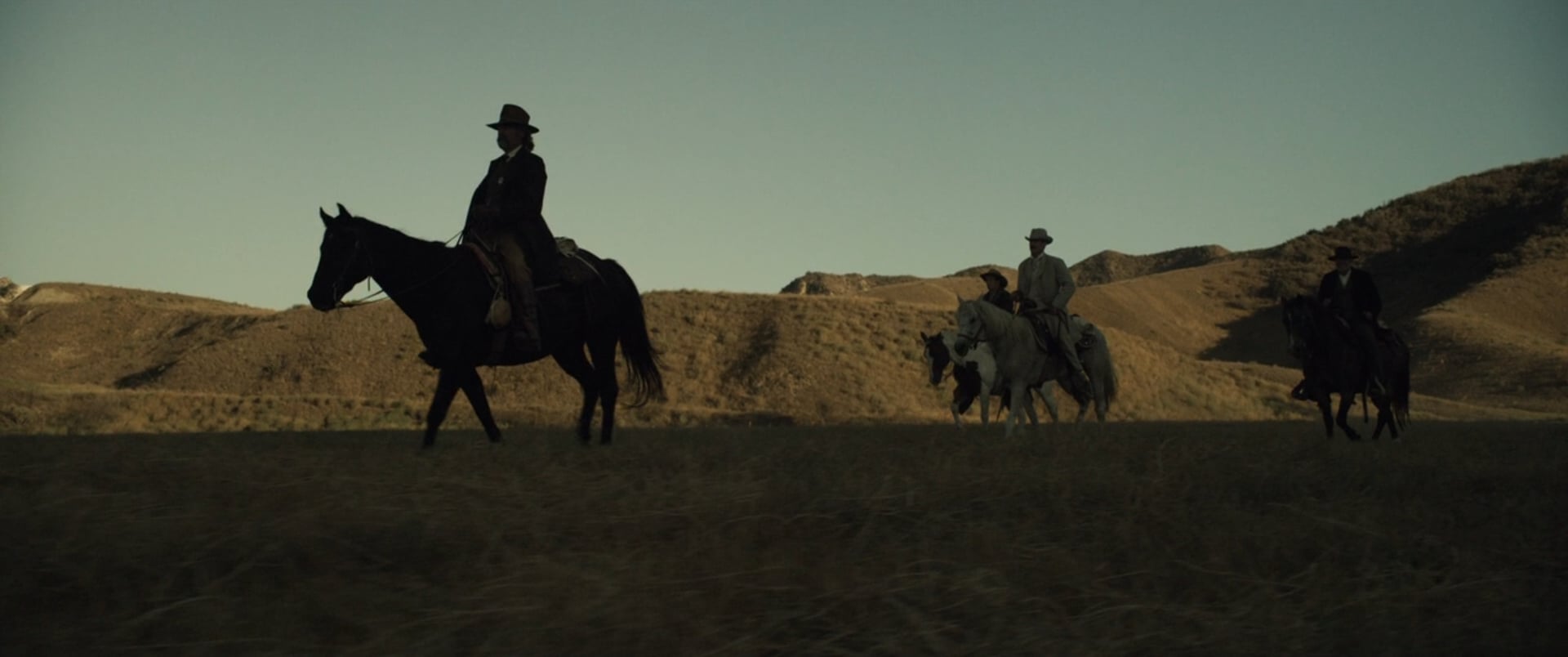
It’s a missing-person rescue that blooms into a survival horror nightmare. A farmhand is slaughtered, the sheriff’s office is wrecked, and the only clue is an arrow. The posse—Hunt, Chicory, Brooder, Samantha and her husband Arthur—ride into an unmapped stretch of land seeking the truth. The truth is worse than any of them imagine.
On a sparse trail, the posse rides toward a place the map ignores. How the tone flips
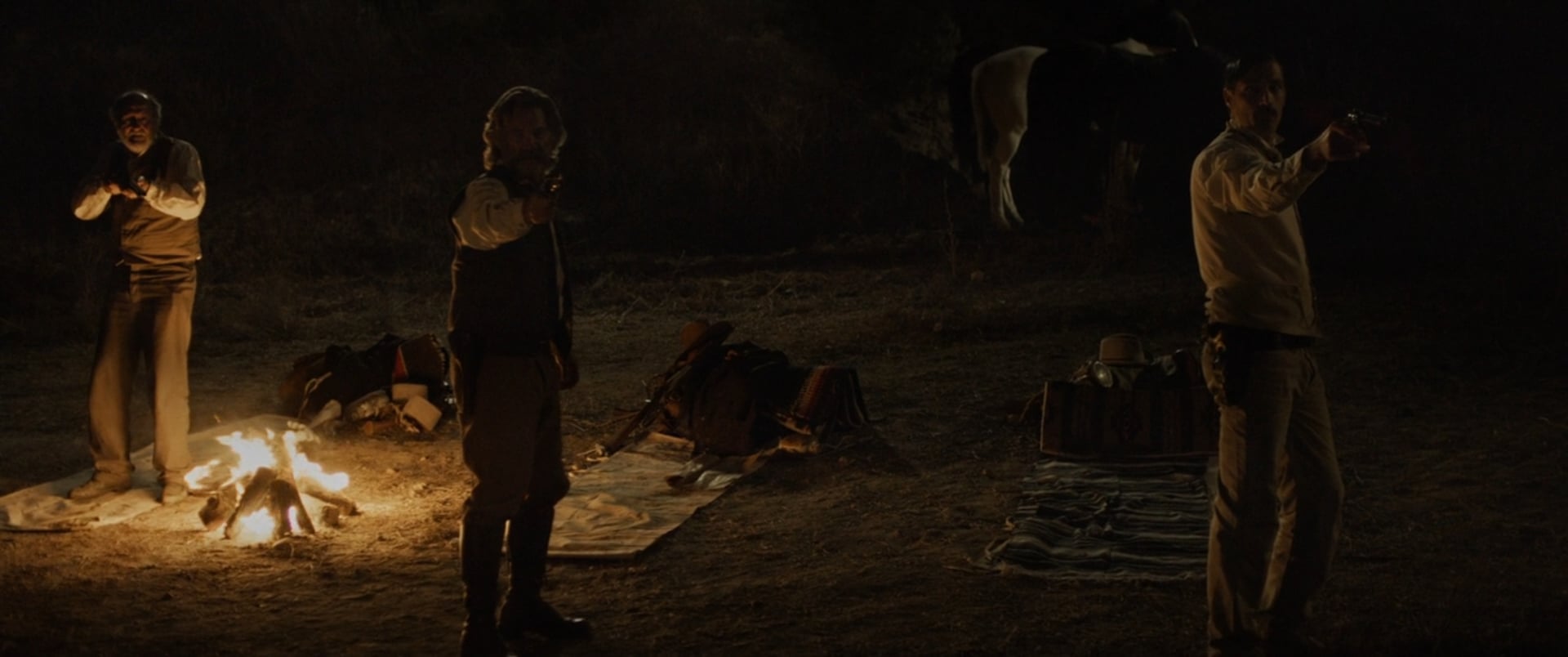
The middle of the film is deceptively warm: campfire talk, small fights, the kind of detail that makes you believe in these people. Then the movie becomes surgical with violence—matter-of-fact, numbingly precise. When Zahler shifts into full horror, it slams you the way a fever takes hold.
Patrick Wilson’s presence is a cue if you read genre tracks; he’s shorthand for the crossover into dread. But the surprise is how quietly the film builds its terror: no jittery score manipulations, no flashy camera gymnastics—just a methodical escalation that makes the final act feel earned and unavoidable. Practical effects are ugly, ingenious, and unforgettable; they lodge in your visual memory like evidence.
Is Bone Tomahawk scary?
If you’re sensitive to visceral, protracted depictions of physical brutality, yes. The fear here is both existential—this clan of antagonists exists outside the social contract—and intensely physical. It’s not jump-scare horror; it’s the erosion of safety and the relentless reminder that courage can have dire costs.
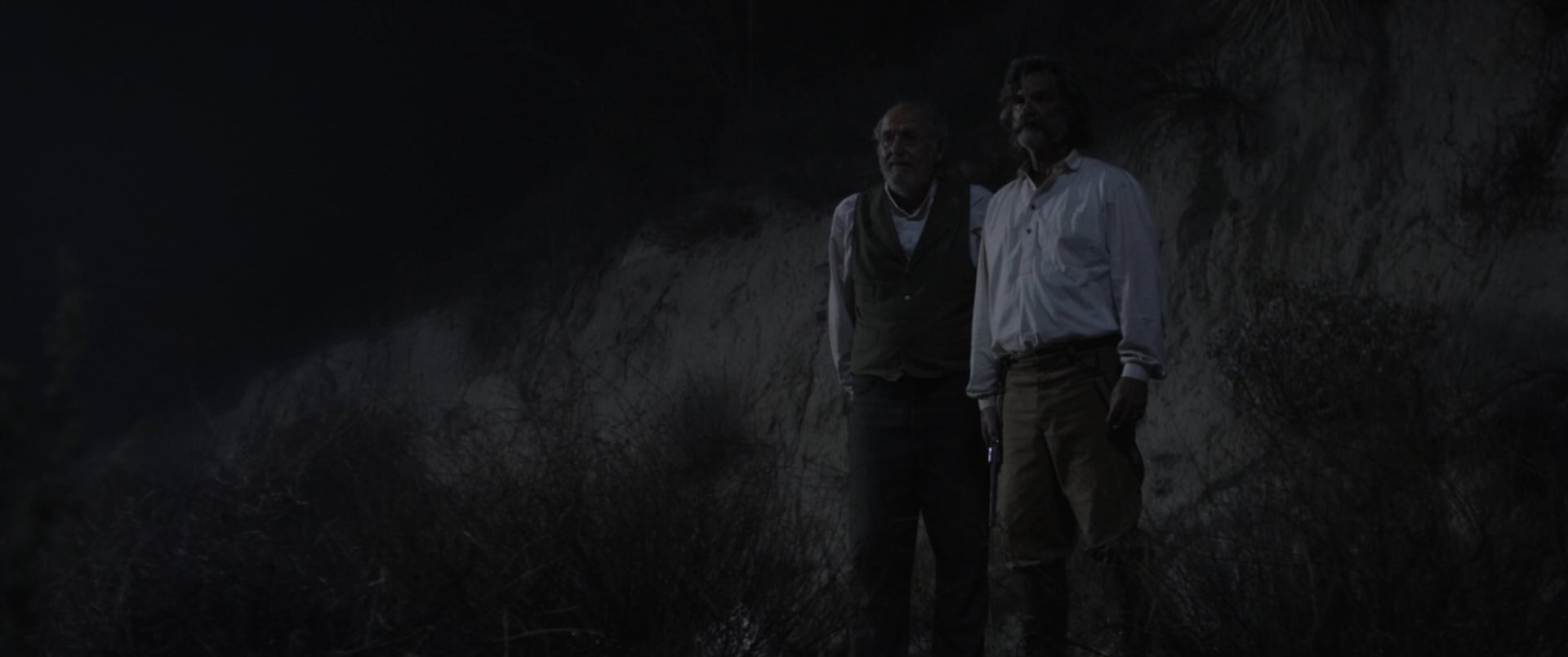
In review lists and streaming menus, it sits oddly between genres. Why it matters now
The film arrives at a table where Western and horror rarely meet; critics and fans still argue about where it belongs. Publications like Collider framed comparisons to Beowulf and The 13th Warrior, and sites such as Rotten Tomatoes and IMDb show a divided but passionate audience. That tension is part of its afterlife: people recommend it like a dare and praise it like scripture.
Importantly, Zahler and the film avoid a lazy racist caricature of the antagonists. Zahn McClarnon’s professor explains the cultural separation plainly, and the movie treats the antagonists as alien presences rather than shorthand for a people. Scholars and critics still debate the ethics of representation here, but the film’s focus on atmosphere and physicality steers it away from exploitative caricature into monster territory.
Where can I watch Bone Tomahawk?
It’s available on streaming platforms including AMC+, Pluto TV, Xumo, Philo, and the Roku Channel. If you prefer to judge for yourself, those are the quickest ways to see whether it changes how you think about genre and violence.
If you want my advice: watch for the performances—Russell’s quiet authority, Jenkins’ heartbreaking steadiness, McClarnon’s clarifying voice—and let the film do its work without preloading expectations. After you watch, the conversation changes: which films these days have the courage to be this patient and this brutal at once?