I was backstage once when a producer quietly opened his laptop and told me, “This is how we’ll finish the record.” He wasn’t reaching for a vintage synth or a rare Neve mic—he was running an AI model. The room split between curiosity and a small, sharp panic that sounded like a favorite song slightly off-key.
I write this because you should know what I see when producers I respect admit to using code as a creative partner. I’m not here to hand you answers; I’m here to give you a clear watchlight. You can decide where you stand.
At a recording studio in Los Angeles, someone tested a new vocal chain and watched a beat rearrange itself
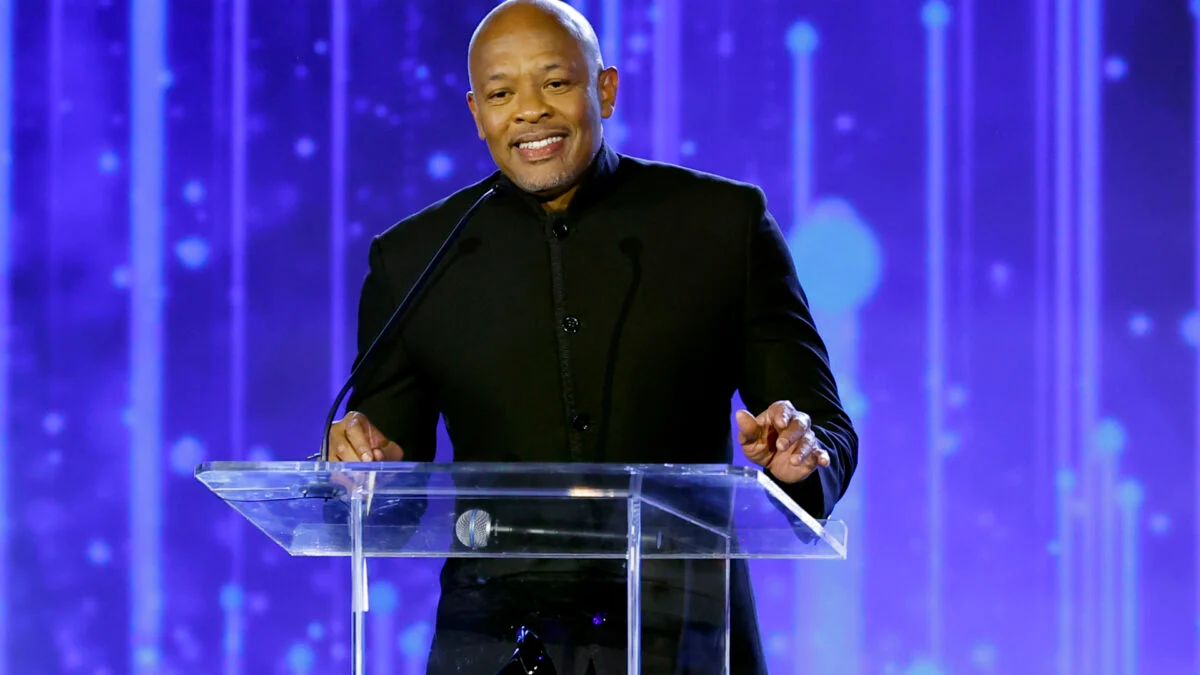
That moment—where an idea becomes sound in seconds—is what Dr. Dre described when he told the New York Times he uses AI “as a tool to see what it would do with what I just did.” You feel the same friction I felt: excitement plus a pinch of suspicion. Dre’s point is blunt and personal: he thinks resistance often masks fear of learning. He argued the pushback is the same reaction that greeted drum machines and synths decades ago.
Does Dr. Dre use AI to produce songs?
Yes. Dre says he integrates generative tools into production workflows to test ideas fast, trim studio time, and sketch arrangements before committing to takes. He framed AI the way you might view a reference track or a temporary vocal: not the final artist, but a guide. Jimmy Iovine echoed that sentiment, telling the NYT he doesn’t “see the downside at all” and that gifted people with AI can make stronger records.
On the business side of music, executives are changing the rules in plain sight
Spotify and Apple Music will soon label AI-created artists, and Spotify has partnered with Universal Music Group to offer paid tools for AI-generated covers. That is a real-world shift: platforms are accepting AI content and asking users to pay for creation. When corporations add a price tag, the tool becomes normalized and commercialized at once—like someone handed a chef a spice rack with infinite jars.
There’s money and legal friction. Lawsuits have already landed—Round Hill Music sued Suno and Anthropic over alleged copyright misuse (Variety). Platforms and publishers are deciding how to label, license, and monetize AI-generated output while creators argue over attribution and ownership.
A producer on the phone told me he uses templates and AI sketch tools when deadlines are brutal
That confession is why Jimmy Iovine named Timbaland a “closet AI producer.” The implication: many producers use these tools quietly. Timbaland, a four-time Grammy winner and architect behind hits with Aaliyah and Nelly Furtado, is alleged to be part of the cohort that experiments privately and deploys selectively. Iovine’s phrase captures an industry pattern—adoption without confession.
Is Timbaland a “closet AI producer”?
Claims exist, but public confirmation is thin. What matters is the pattern: elite producers are exploring AI, and they’re doing it in studios where deadlines, budgets, and the pressure to deliver are real. If you’ve ever finished a session faster than expected, you might have been listening to a product nudged by an algorithm.
On stage and on set, other creative fields are split the same way
Filmmakers, writers, and actors are having the same argument in public. Martin Scorsese and Steven Soderbergh have voiced conditional support for using AI in filmmaking; Guillermo Del Toro said he would rather die than use generative models; Seth Rogen argued if you use AI to write scripts, maybe you shouldn’t be a writer. These are not abstract positions—these voices steer public perception and policy.
Will AI replace music producers?
Not in the way scare headlines promise. AI can automate routine tasks, sketch arrangements, or generate stems, but the producer’s judgment—taste, context, and emotional editing—remains human. Yet the worry about job automation is real: engineers, session musicians, and editors could see roles shift. The question for you and me is which jobs we value and how we protect creators’ rights.
I sat with engineers who worry about copyright and with artists who welcome time savings
Those conversations matter. Some producers fear AI will regurgitate copyrighted work or produce soulless sameness; others welcome the speed and cost savings it offers. The copyright cases (Round Hill vs. Suno/Anthropic) highlight a legal gray that could force platforms and labels to rewrite contracts and royalty splits. That affects your playlist the same way it affects a songwriter’s bank account.
In practice, AI often functions as an assistant: it suggests a drum fill, proposes a harmony, or generates a reference vocal. Dre framed it as a creative mirror—he can test a variation in minutes rather than hours. That trade-off is both tempting and discomforting, as if you’d swapped a vintage engine for a hummingbird: lighter, faster, but with different sounds and risks.
A producer once told me, “If you fear the tool, you fear learning”
I believe that sentence explains the split. You can be skeptical and still use the technology carefully. You can demand transparency—labels on AI artists, clear credits, and licensing for training data—while experimenting in the studio. Platforms like Spotify, Apple Music, and labels such as Universal will shape the rules; creators, lawyers, and listeners will press them.
So I’ll ask you directly: do you want AI to be a sketch pad and speed tool in the hands of producers you trust, or a factory that floods the charts with indistinguishable tracks—what will you defend?