
I watched the clip and felt the room tilt at 0:18. You can almost hear the editors whisper when the seal reads “Bureal.” For a film meant to sell how smart the FBI has become, that one frame collapses trust.
I’m going to walk you through what went wrong, what it says about who’s running messaging at the Bureau, and why you should care when public institutions hand their image work to generative tools. I’ve spent years following image fakery and public-relations flops; let me show you where the thread pulls apart.
When we got here, the FBI needed to move faster to keep up with 21st century criminals.
So we changed it.
Under President Trump’s leadership, this FBI is putting cutting-edge technology directly into the hands of the men and women doing the mission:
AI helping triage threat… pic.twitter.com/Vx0e9ZxcyP
— FBI Director Kash Patel (@FBIDirectorKash) September 3, 2026
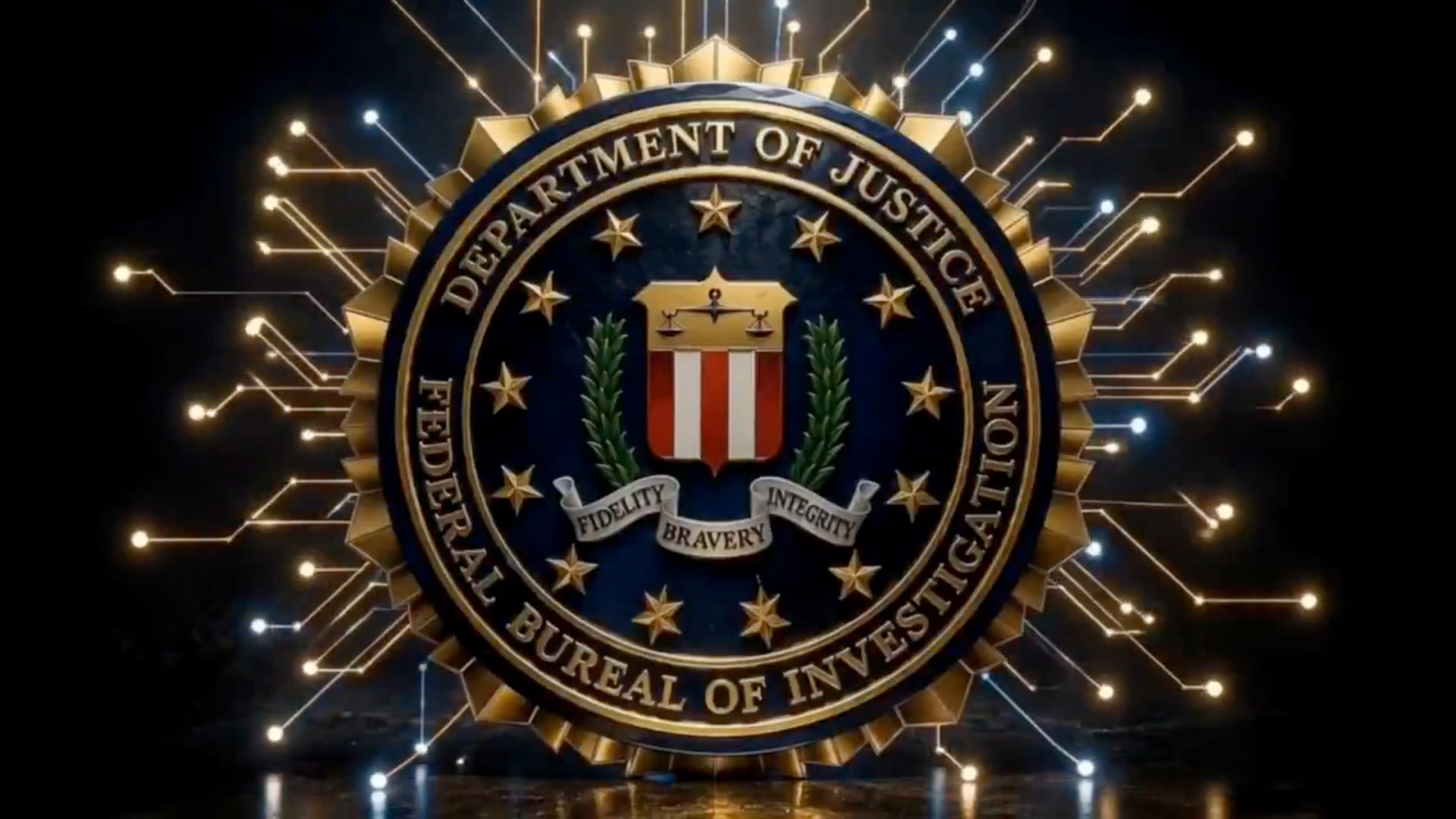
At 0:18 the on-screen seal reads “Federal Bureal of Investigation”
The title card actually misspells the word “Bureau.” That’s a concrete, verifiable slip that anyone with basic copy-editing skills would catch. The error lands like a stage prop dropped mid-performance, and once you see it you can’t pretend you didn’t.
Why did the FBI seal read “Bureal”?
Two simple possibilities: automated imagery generation introduced the typo, or human oversight failed to catch it before publication. Generative video tools—whether they’re run through Runway, Synthesia, or a composition of frames from DALL·E–style models—can insert text that looks plausible but is wrong. If no one runs a fast manual pass, the illusion becomes the message.
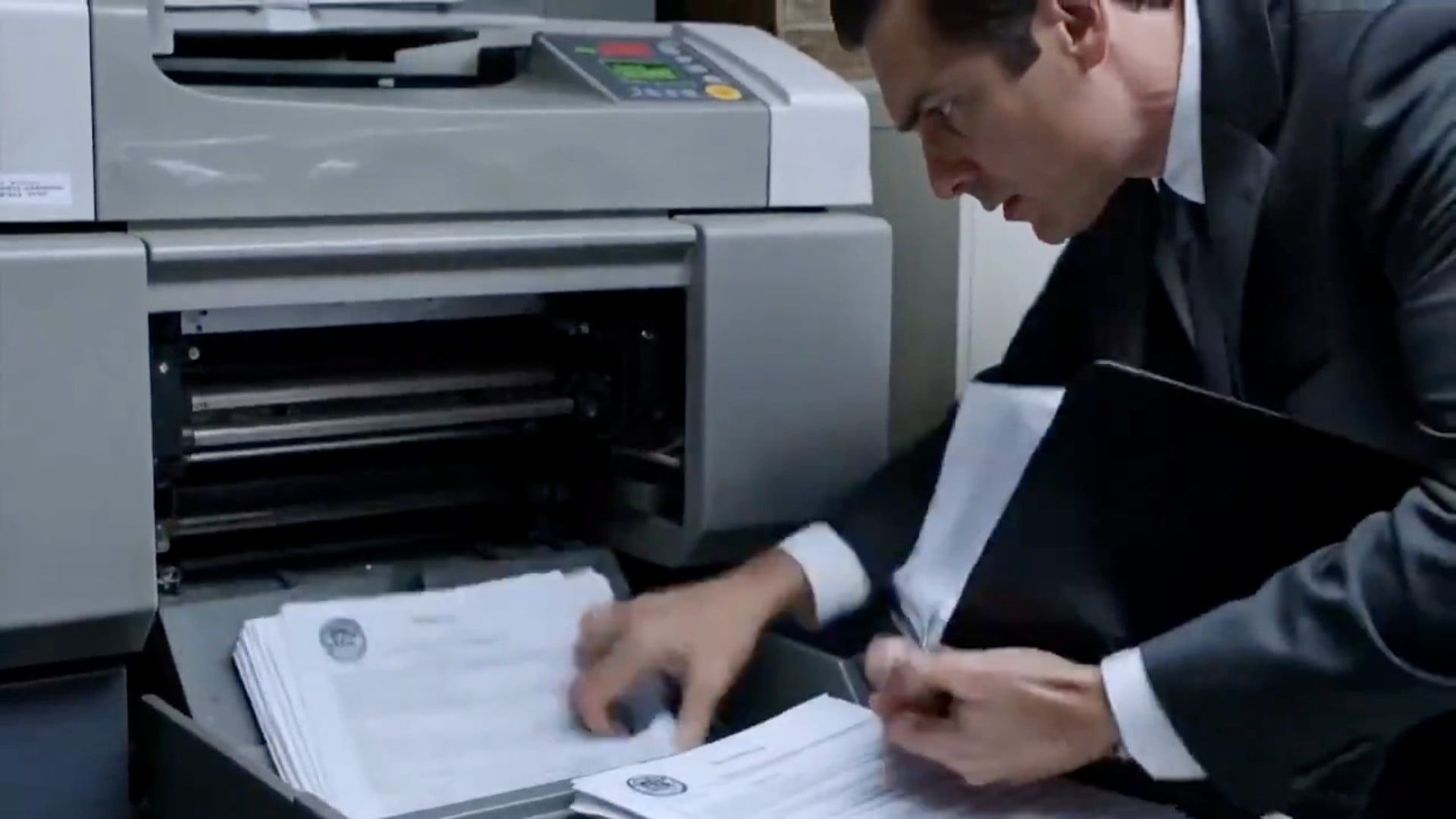
At several frames, faces and hands don’t behave like people do
There’s a man in a pinstripe suit whose gaze never quite lands, a photographer who appears to lack hands, and agents whose fingers melt together. These are classic artifacts from generative video and image models.
The outputs read as uncanny rather than authoritative. They feel like a waxwork trying to recall how to blink.
At least some clips are clearly live-action footage of Patel himself
Kash Patel’s own presence in the footage is real; the rest looks assembled. That juxtaposition—real clips embedded with synthesized scenes—creates a trust problem, not a technical one alone.
Can AI video tools produce official government messaging?
Yes, they can—but production quality and governance matter. Platforms such as X (formerly Twitter), YouTube, and other social channels host redistributed media quickly; post-production tools like Adobe Firefly, OpenAI video models, Runway, and Synthesia can speed creation but also amplify mistakes. When agencies use those tools, editorial checks and a clear approval chain are essential.
What should you read between the clips? First, an agency that says it’s leveraging AI to speed investigations must show discipline in how it uses those same tools for public communication. Second, the public’s tolerance for sloppy synthesis is low—especially from bodies with law-enforcement authority. Finally, when a public-facing director mixes real footage with generated filler without conspicuous labeling, credibility takes a hit.
I’ve tracked misinformation and manipulated media for years; errors like these aren’t just embarrassing, they erode the very trust the FBI needs to do its work. If the goal was to show competence with AI, the video did the opposite—an expensive lesson that cost only reputation but could cost more if left unaddressed.
So who’s proofreading official messaging, and will anyone fix this before it becomes the new normal?