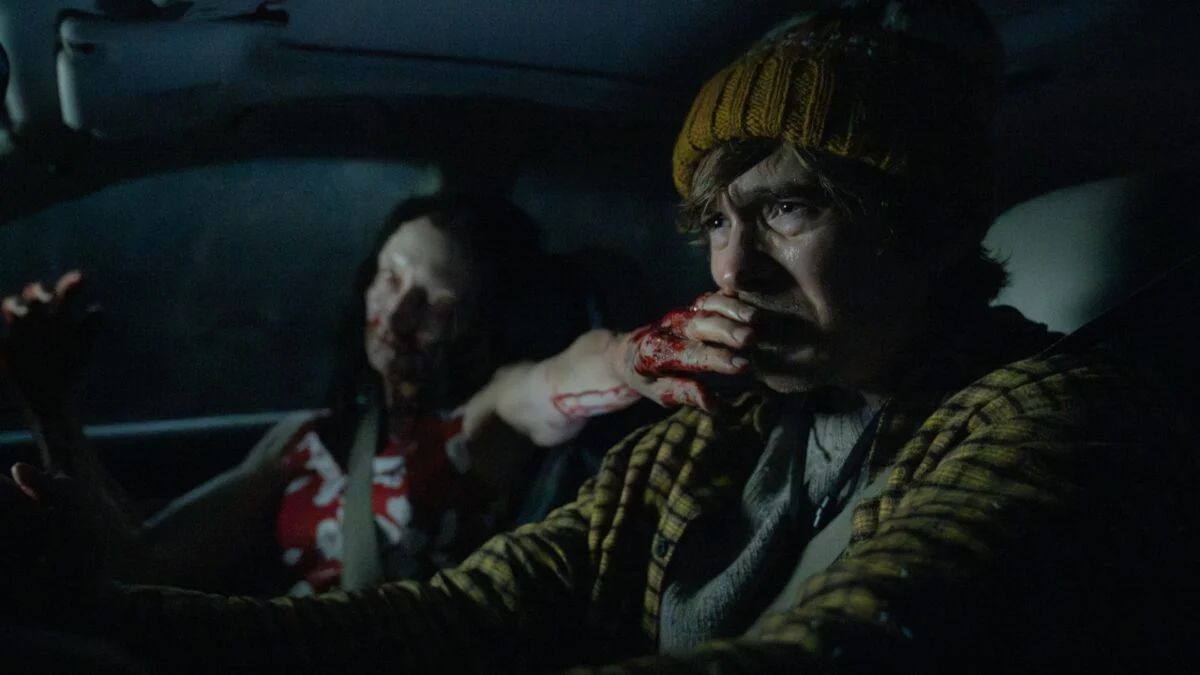
I sat in a dim theater as the lights went down and felt the room change. Someone two rows over whispered, “That’s not Leon,” and a ripple of disbelief moved through the crowd. In that instant I understood the argument about this film had already begun, long before the credits rolled.
I want to give you a clear read on where Zach Cregger is coming from, and why his choices matter to you as a fan or a curious viewer. I follow the interviews, the threads, and the way a single casting decision can turn into a months‑long apology tour. You don’t have to agree with him to see the logic he’s been selling.
At a midnight screening, a murmured complaint cut through the buzz — what is fidelity worth?
I watched a handful of longtime players flinch when the protagonist wasn’t a familiar face. That reaction is not simple nostalgia: it’s a sense of ownership over characters like Leon Kennedy or the Redfields.
Cregger has said he focused on an original courier, Bryan, played by Austin Abrams, because he wanted a narrower, more immediate survival story. You can hear the defensive edges in his interviews with IGN and The Playlist. He admits it may have been “naive” to assume fans would be okay with an original lead — which matters because that admission is him trying to bridge trust.
If you want the films that make you feel exactly like the games, you’ll be disappointed. If you want a movie that borrows the tone, references, and atmosphere, there’s a case to be made. I see the film as a tense poker game, where every small change is a bet on whether fans will call or fold.
What do ‘Resident Evil’ fans want from a movie?
You want recognizable stakes, faithful beats, and respect for the franchise’s DNA — but you also want new moments that feel earned. Fans prize specific sensory memories: the sound of a door you can’t open, the sudden jolt of a scripted scare, the details Capcom seeded through the series. Cregger isn’t erasing those; he’s repackaging them around a more intimate protagonist.
On forums and in interviews, the apology tour became a running subplot — how much PR can fix perception?
I read comments in the early AM on Reddit and X where disappointment hardened into resentment. That’s a social-media fact: small groups amplify each other until a narrative forms.
Cregger compared his outreach to “running for office,” which tells you how familiar he is with damage control. He’s been explaining that the previous live-action movies felt off to him, and that his movie is, at heart, “me telling a Resident Evil story.” Those are authority cues — a director staking a claim on authenticity. He also wants fans to walk out “feeling seen.” If you’ve followed his interviews, you can see he’s trading explanations for goodwill, and goodwill is a scarce resource in fandom.
The conversation around this movie looks at once like a community vote and a cracked mirror: everyone sees a different reflection and assumes the fracture is the director’s fault.
Is Zach Cregger’s Resident Evil faithful to the games?
Faithful is a loaded word. You can argue fidelity in three ways: plot (shared characters and events), tone (the dread and pacing of the games), and detail (Easter eggs, creatures, locations). Cregger’s film leans hard on tone and detail while reordering plot priorities. That will satisfy some fans and frustrate others; the split is predictable.
Walking past a poster on a busy street, the divide between players and general audiences is visible — what can this movie realistically deliver?
I saw people taking photos of a Raccoon City poster the way they photograph a concert bill. Public attention is high, and expectations are scattered.
Cregger can’t give every fan every wish. He isn’t trying to replace the games or the replicated beats of earlier live‑action adaptations; he’s crafting a film that aims to make you feel the games. That means layering in nods for die‑hards (Capcom lore, creature design) while giving newcomers a clear, lean survival arc. If you go in expecting a checklist, you’ll miss the point he’s making: atmosphere and dread can carry a story that lacks a marquee video‑game protagonist.
Why did Cregger choose an original protagonist?
You can read his choice as risk or as protection. Using Bryan lets him control stakes without stepping on the canonical toes of characters like Leon or Claire. It also creates space for Austin Abrams to deliver a grounded, relatable performance without the baggage of established expectations.
I’m not asking you to forgive everything before seeing the film. I am asking you to see how faithfulness can be a spectrum rather than a binary argument. If the movie does what Cregger says it does — honors the games’ scares and scores while crafting a lean, survival story — will that be enough to end the feud, or has the damage already been done?