
I hit play on the Minecraft Dungeons 2 trailer and the Singer’s call cut through the mix. My cursor froze—something in that note matched the Ancient City footage I’d seen years ago. You feel that jolt when a small detail suddenly reframes an old mystery.
I’m going to walk you through what the trailers, Gamescom demo, and the novel Minecraft Dungeons 2: The Rift hint about the Singer. I’ve read the previews, watched the secret video, and traced the note-block breadcrumbs Mojang left in promos—so you won’t waste time chasing dead ends.
Why the Singer mob is important
I watch game trailers for a living, and not every new mob matters. The Singer isn’t another palette swap or AI skirmisher: its identity is built around sound. That choice matters because sound is already the engine behind one of Minecraft’s most eerie upgrades—the Warden and the Deep Dark from Minecraft 1.19.
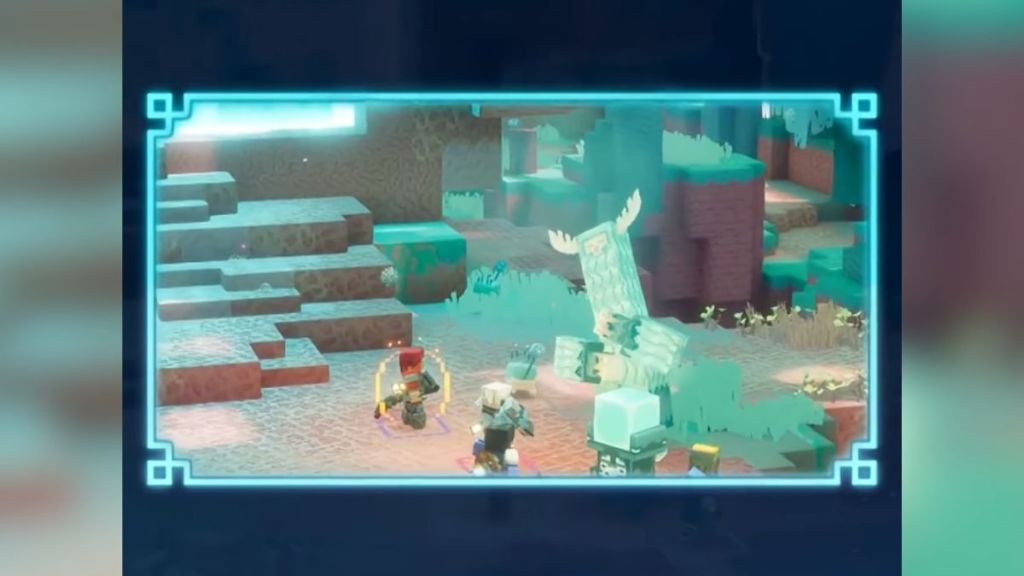
The Rift describes the Singer as shaggy and green, a small face on a long neck with pale antlers. It doesn’t attack Iliana right away in the novel; instead it becomes a bridge for Harlow’s friend and introduces them to the Sift. That hesitation reads like intent. The Singer’s behavior, design, and the way it interacts with characters is storytelling by mechanics—Mojang and Microsoft aren’t tossing this design in for fluff.
The Sift connection starts with a simple observation
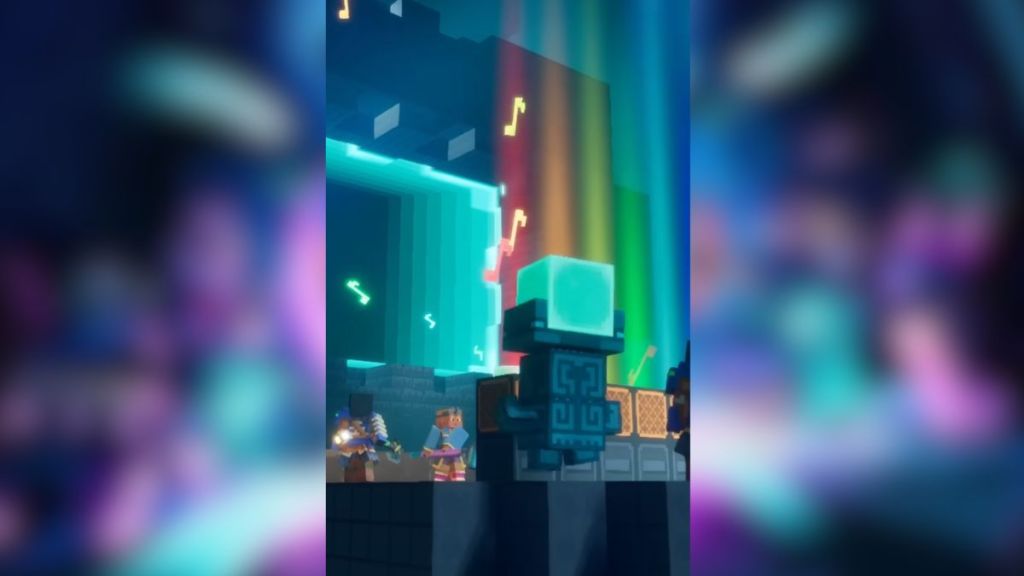
At Gamescom I saw a demo end with note-block symbols and a short clip tied to promotional material. That wasn’t accidental. The Sift shown in the Dungeons 2 trailer looks and sounds like the other side of the Ancient City portal we’ve been wondering about in the Deep Dark.
Think of it this way: that portal in the Ancient City has been an unfinished sentence in Minecraft’s lore since 1.19 introduced sculk, the Warden, and those ruins. The Sift isn’t a new tangent—it’s a continuation. If Mojang and the novel both point to a musical interface, the Singer is the logical interpreter between Overworld ruins and whatever lies beyond.
The Ancient City portal has been waiting for an answer
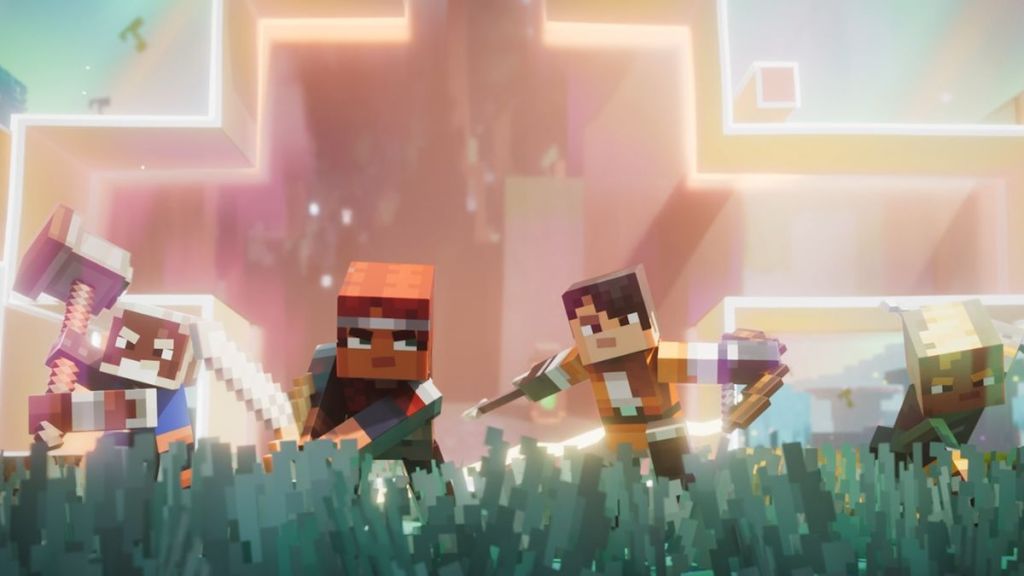
I’ve dug through patch notes and community theories long enough to spot an intentional tease. The Ancient City isn’t just pretty ruins; it’s a technology scaffold. Underneath its blocks sits complex Redstone and sculk wiring that hints at a purpose.
We lost the thread on who built that technology centuries ago in Minecraft canon. The Rift suggests the Singer—and the culture behind it—might be that missing thread. If Singers were part of, or descendants of, the civilization that shaped the Ancient City, their songs could be the protocols that make the portal respond.
Singer song sequences: observation before theory
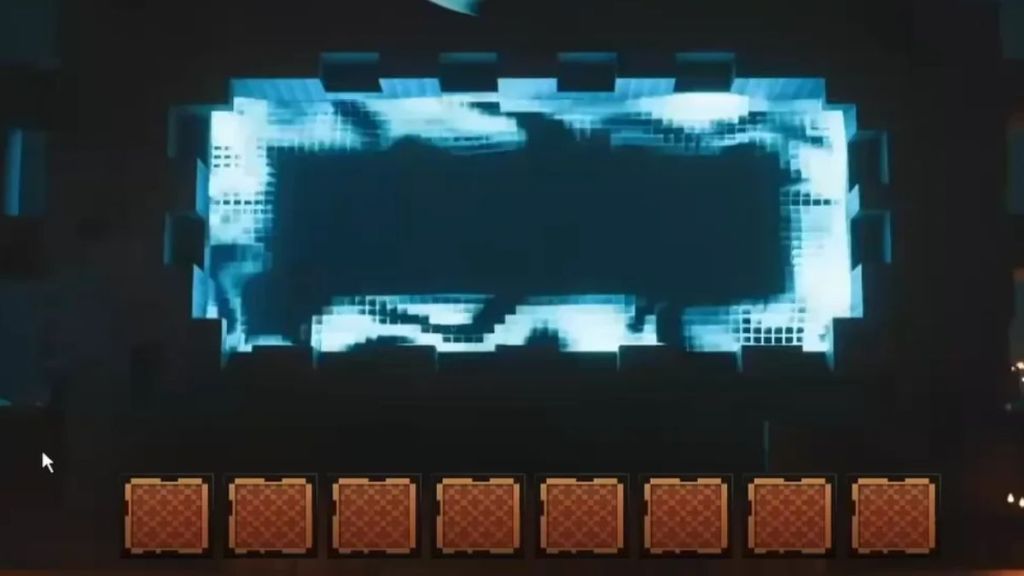
I noticed the note-block motifs at the end of the demo and the secret video Mojang slipped into promotional assets. They weren’t decorative—they were protocol hints. If a portal responds to pattern and frequency, music is a natural interface.
The Rift ties Singers to the portal puzzle explicitly. The idea is that the Singer’s tune isn’t mere communication; it’s a sequence. The portal might not need a physical key but a precise melody. That explains why Mojang has mixed note-block clues, a creature whose identity is sound, and an echoing golem concept into the same story thread.
How does the Singer open the Ancient City portal?
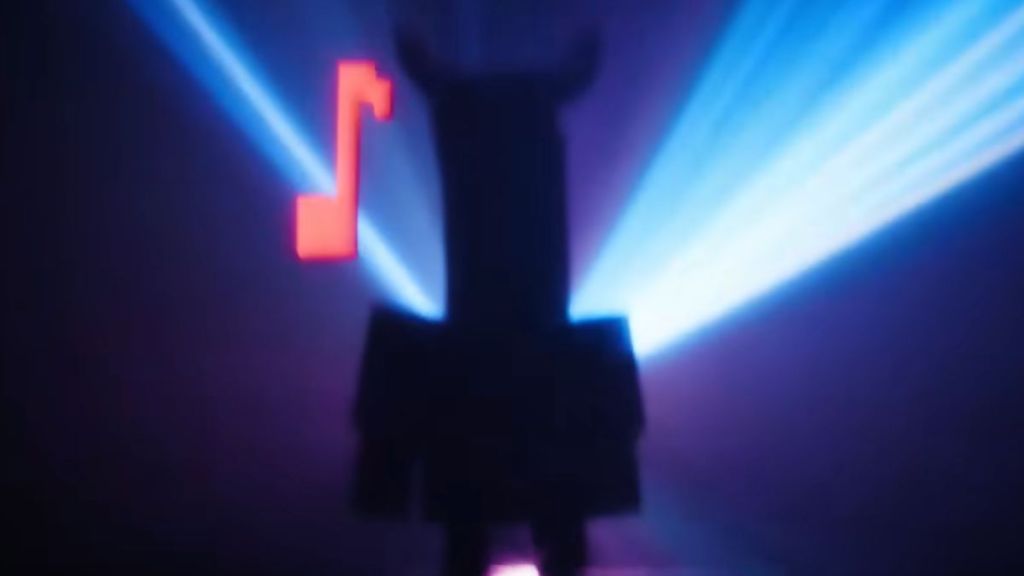
If you map the evidence—note-block clues, a singing mob, sculk responsiveness—you land on a simple hypothesis: sequence matters. The Singer’s melody could trigger vibrational responses in sculk and Redstone under the Ancient City, aligning circuits and activating a passage to the Sift. Mojang’s choice to spotlight sound suggests this is more than flavor; it’s a mechanic.
Is the Singer linked to the Deep Dark and the Warden?
Yes—in narrative terms. The Warden and sculk were Mojang’s way of making sound a gameplay danger. The Singer repurposes that mechanic as communication instead of menace. That flips the Deep Dark from pure threat to layered history, with the Singer as a cultural remnant that remembers how the old tech worked.
Echo Golems and a living memory: one observation before the idea
I paused when the novel mentioned Echo Golems tied to Singers. Real-world engineers pair hardware and firmware; fictional civilizations paired bodies with song. The Echo Golem idea reads like a transport protocol: constructs that resonate with Singer frequencies and ferry matter or consciousness between planes.
The metaphor is sharp: the Singer acts like a keyed piano whose notes align ancient circuits. The portal’s response is like a cracked radio coming back to life when you dial the right frequency. If the Singer’s culture built the portal, the song is not trivia—it’s protocol and password in one.
The bigger implication: one observed fact, then thought
I track how game studios extend lore across media—novels, demos, trailers—and Mojang’s cross-channel hints are intentional. When a studio like Mojang and a publisher like Microsoft place the same motif in gameplay and prose, they’re building a narrative gear you will eventually turn.
If Singers are descendants—or survivors—of the Ancient City builders, then their songs are living documentation. The Dungeons 2 sequel could make that history playable: sequences you learn, melodies you follow, and a portal that finally opens when you sing the pattern right. That would be design and lore braided together, and players who read The Rift or studied the demo will have the head start.
I’m not claiming we have the whole score—Mojang is still teasing and Gamescom gave us deliberate crumbs—but the pattern points in one direction: sound as protocol and the Singer as its steward. Are you ready to listen when the game asks you to sing the answer?