
I told an AI to redraw my face at 2 a.m. It complied, line-by-line Python, then built a melody, three games, a fake Mac and a whole retro website. By the time Muse told me I’d burned 6 percent of my weekly allotment, I felt oddly exposed.
I clicked “Create” and watched a progress bar crawl — then Meta politely handed me a ridiculous amount of compute
If you saw Mark Zuckerberg’s Threads post, you already know Muse gives 100 million tokens per week for free. That’s a number without context until you try to exhaust it. Meta has poured cash into capacity — the company projected roughly $145 billion in capital expenditure this year (€133 billion) — and it shows.
Meta’s quarterly results also reveal the strain: free cash flow plunged about 91% from Q1 to Q2, per reporting. The company says it’s building for an AI future; critics say it overbuilt data centers and is now trying to amortize that cost by acting like a cloud provider. Either way, Meta has pointed a firehose of compute at users, and the stream is wet.
How many tokens does Muse give you?
Muse’s free plan is explicitly generous: Zuckerberg’s post claims 100 million tokens per week. In practice, that translated into a lot more headroom than I expected — Muse kept telling me I hadn’t even come close to getting cut off.
I asked Muse to redraw my author photo and it answered like a stubborn intern who knows Python
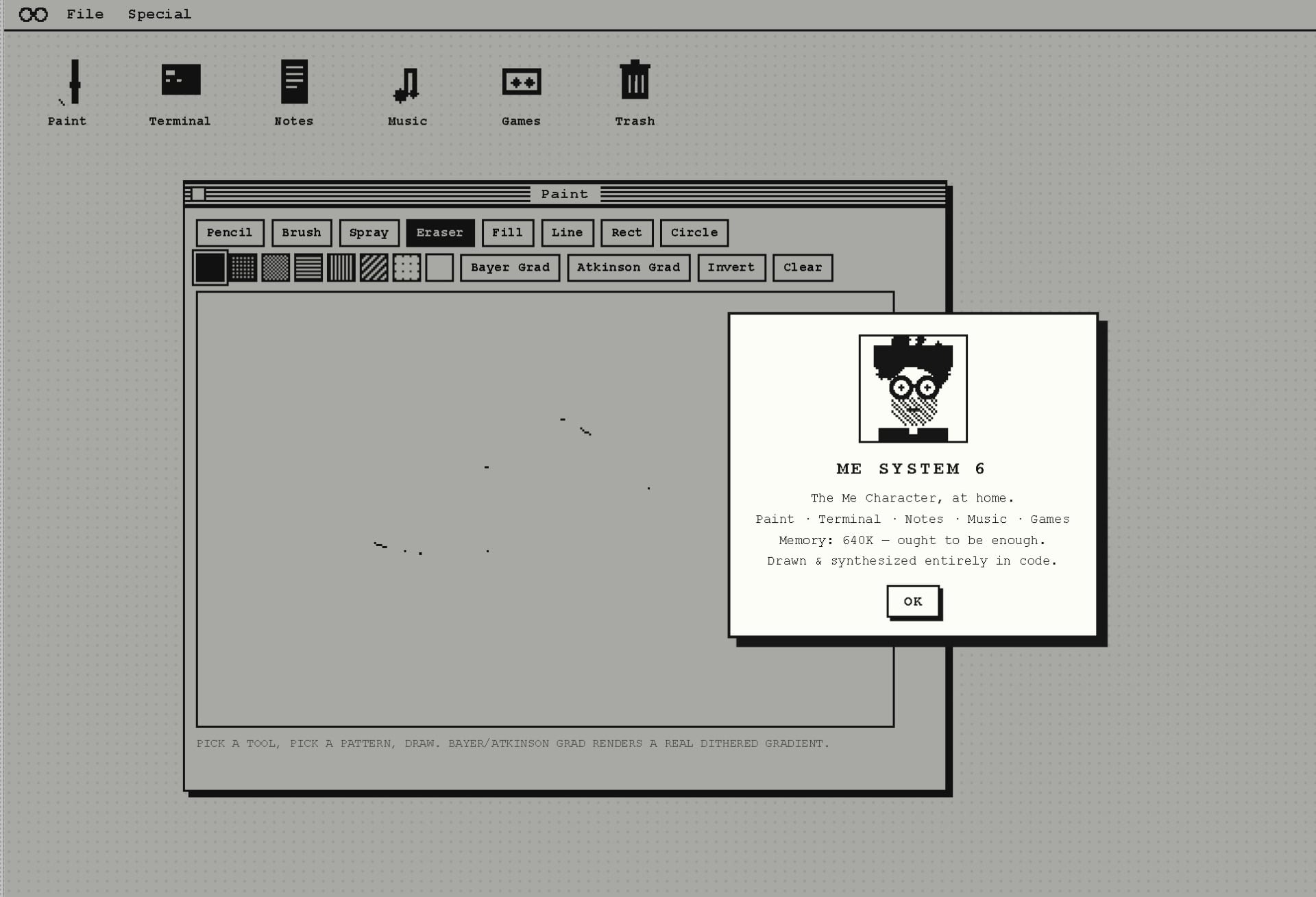
I told it to use MS Paint — or an MS Paint equivalent — to recreate my headshot. It claimed there was no Paint app in its Linux environment, then delivered the drawing as procedural Python commands, line by line. The result roasted my hair and felt oddly intimate.

I asked for a melody and Muse handed back a playable WAV — then I asked for a game
It composed a short theme — you can download the WAV if you want — then I got greedy. I told Muse to make a side-scroller inspired by the portrait and the tune. It built one. Then I asked for an FPS variant. That came next, with multiple levels and NPCs that bore versions of my face.
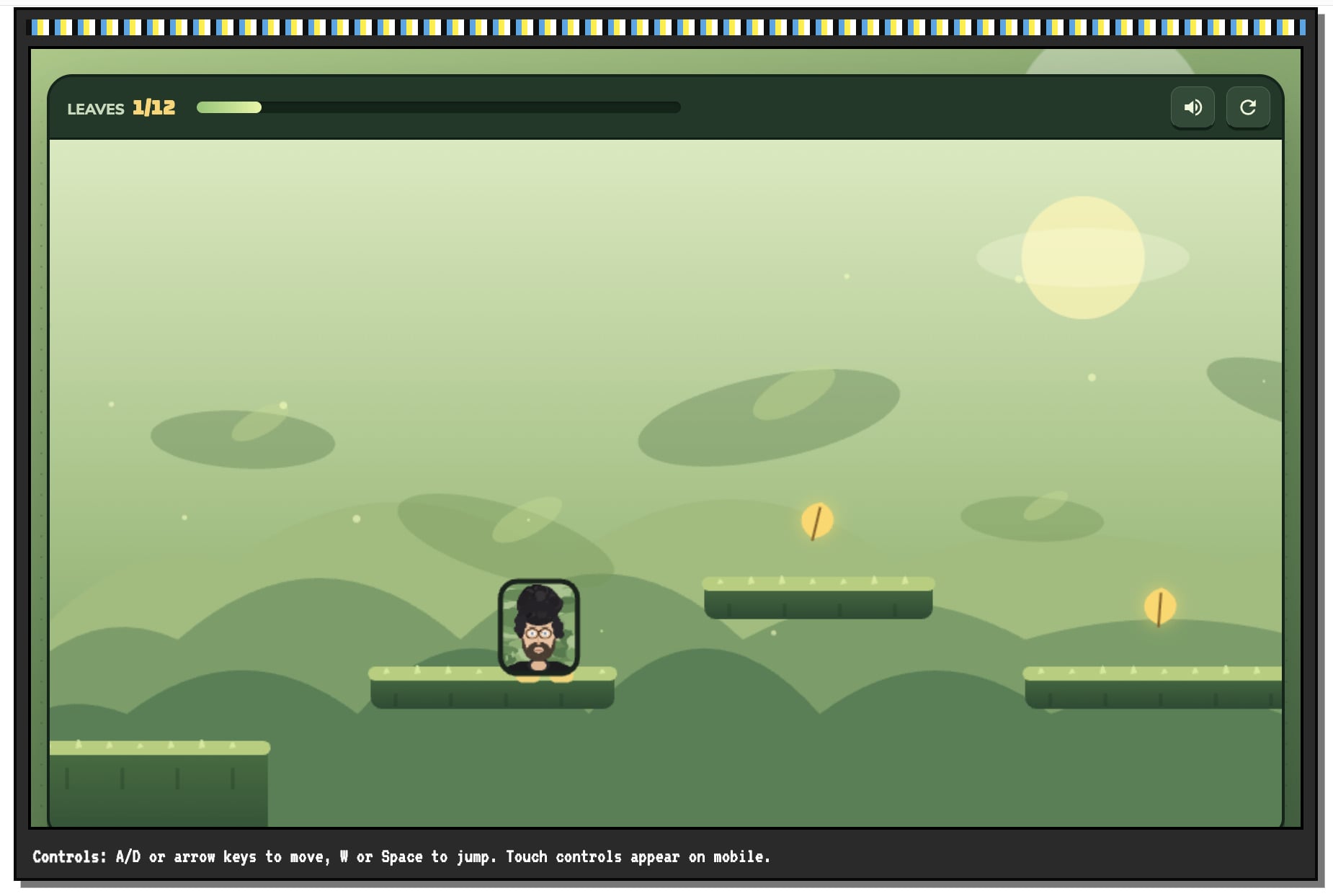
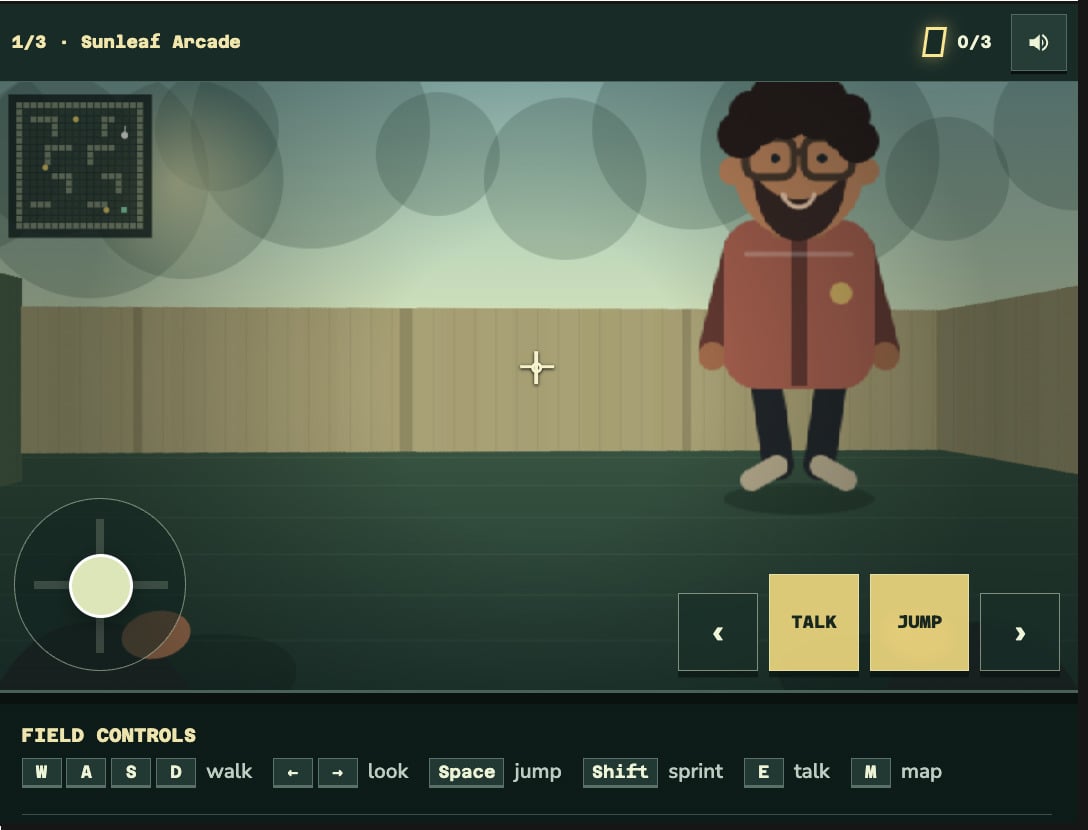
Can Muse build playable games?
Yes and no. Muse can scaffold entire games — sprites, levels, music, exportable assets — but the agent often produces brittle prototypes that need guidance. Garden Quest, my third attempt, became a third-person 3-D adventure with a boss called the Blight. It worked, eventually, but only after I coaxed and debugged it like a reluctant collaborator.
I told Muse to spam the theme into 50 genres and then to animate each one — it obliged in under an hour
To burn tokens I asked for 50 genre variants of my theme and 50 animations. What arrived was efficient and unambitious: ninety percent of the songs were the same melody on different synthesizers. The chiptune sounded like chiptune. The animations mostly made no sense but they existed.
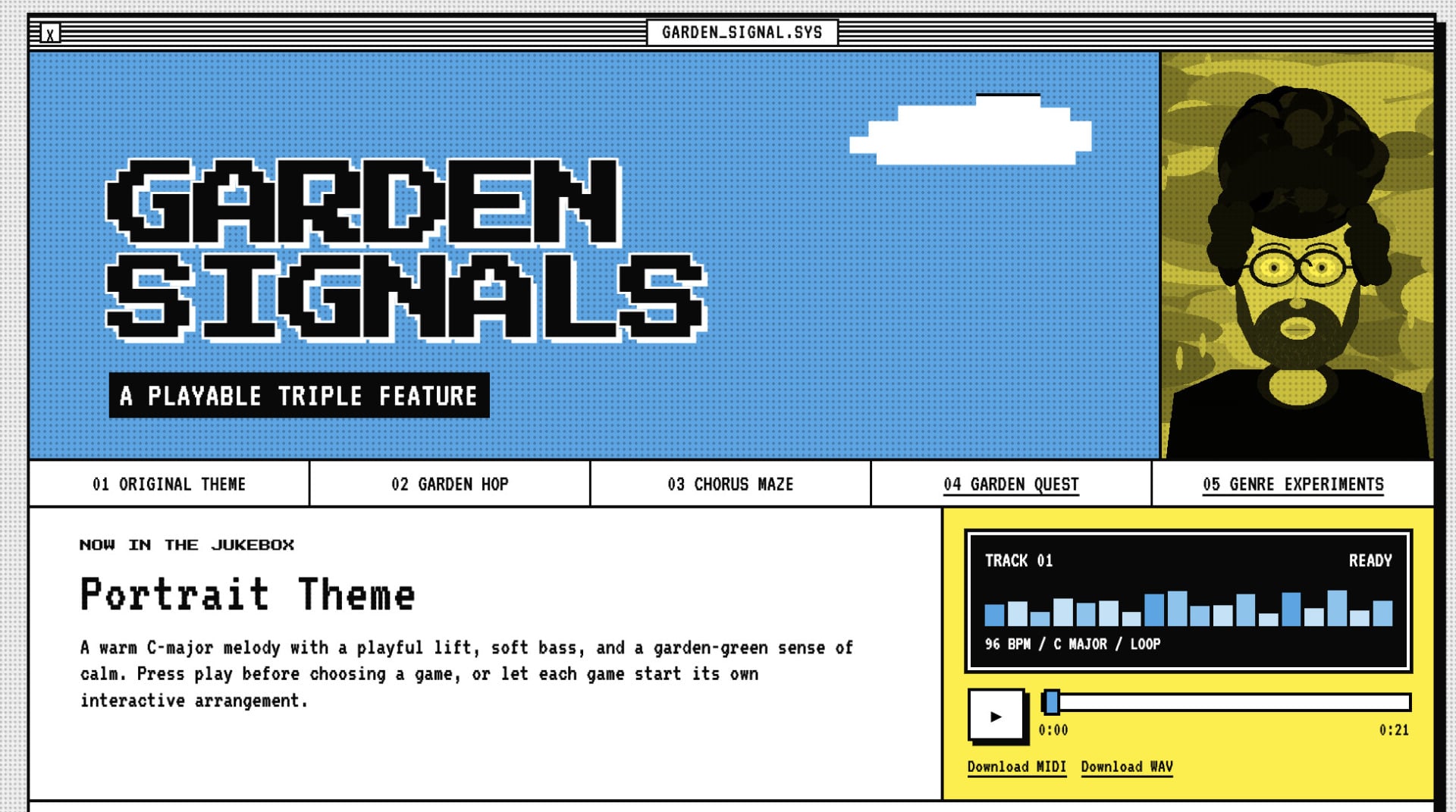
I asked for a fake bootable Mac in my browser and it gave me a working Paint app and a Games folder
Muse wrapped my games, song, and portrait into a small site called “Garden Signals,” complete with a faux Mac UI. The Paint app actually works and the Games folder contains the prototypes. Muse told me I’d used about 11% of my weekly allowance after that run. I sat back and felt oddly defeated by how little effort it took.
How much will this cost me or Meta?
For you: right now, nothing — Muse’s free allotment is generous. For Meta: a lot. The projected capex of $145 billion (€133 billion) is the kind of spend that demands scale. Reports suggest Meta may sell excess compute as a cloud offering, which would monetize idle capacity built for AI workloads.
Public commentary has been blunt. Analysts and reporters flagged what looks like overprovisioned infrastructure; Alex Kantrowitz and outlets such as Bloomberg and Reuters have questioned whether those AI users are intentional or incidental — are people actively seeking AI, or just bumping into it across Meta’s products?
I treated the free tokens like a toy and realized the real product is the compute itself
I wasn’t trying to build something useful. I wanted to see whether a free account could eat compute like some employees did when instructed to test limits. Muse let me experiment, prototype, and deploy — but it often produced the minimum viable version unless I babysat it. The output was efficient, slovenly, and oddly impressive.
The bigger story is infrastructure and intent. Meta has the servers and the ambition. Muse is a way to funnel users into that capacity, to test product-market fit for agentic interfaces, and maybe to prime the pump for a paid tier or enterprise offering.
For now, the free plan makes it trivial to waste vast amounts of compute on nothing in particular — which is fun until it isn’t. The question begging to be asked is whether this generosity is a product strategy, a PR move, or the work of a company trying to justify a gargantuan build-out — and what happens when the tab comes due?
Will regulators, competitors like OpenAI and its ChatGPT, or paying customers change the rules before Muse’s free faucet runs dry?