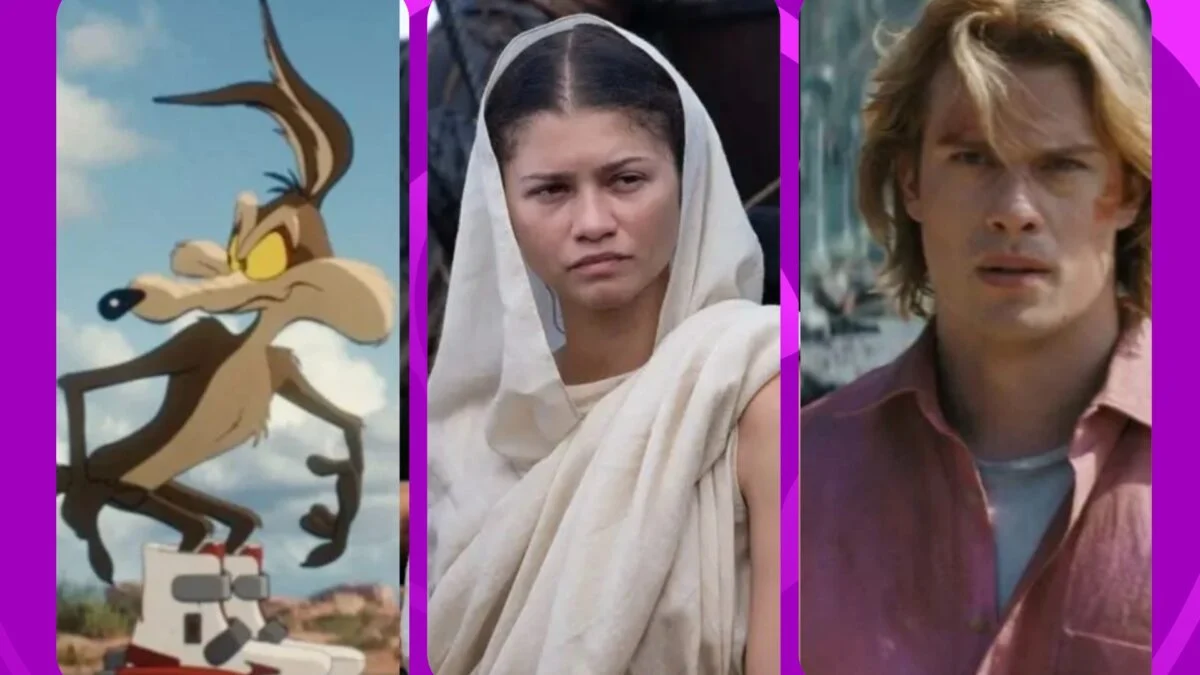
I sat in an IMAX auditorium this summer when the audience exhaled at once—no cheers, just a sudden, collective reappraisal. You felt the balance of pop culture tilt: some names rocketed up, others slipped off their pedestals. The season was a pressure cooker.
I’ll take you through the winners and losers of summer 2026—movies, shows, and the people who controlled headlines, ticketing chaos, and award-room whispers. Read fast; these moments compress what the industry will be arguing about for months.

Winner: Inde Navarrette
At a late-night press line, people were whispering one name over and over: Inde Navarrette. Her lead turn in Obsession didn’t just scare audiences — it created awards momentum and opened doors. The performance led to a high-profile casting as Rogue in Marvel Studios’ upcoming X-Men project, a Saturday Night Live hosting slot, and industry chatter that compares her breakout to a comet streaking across the summer sky.
You should watch how studios and agencies react—talent that converts indie credibility into franchise currency rarely does so this fast.
Winners: Tom Holland and Zendaya
Standee posters of Spider-Man and The Odyssey dominated multiplexes from June through August. Combined, Spider-Man: Brand New Day and The Odyssey hauled in about 4,000,000,000 USD (€3.7 billion). That figure—fuel for tabloids and investors—cemented Holland and Zendaya as an A-list couple whose box office draw is now a measurable asset for studios and streaming platforms alike.
Why did Spider-Man and The Odyssey make so much money?
Because both films married brand muscle with event-level marketing: Marvel’s global reach, Nolan-style prestige for The Odyssey, IMAX play, and strategic windows across theatrical and PVOD. Tools like Box Office Mojo, Comscore, and the IMAX press pipeline amplified demand and scalpers became a grotesque signal of cultural scarcity.
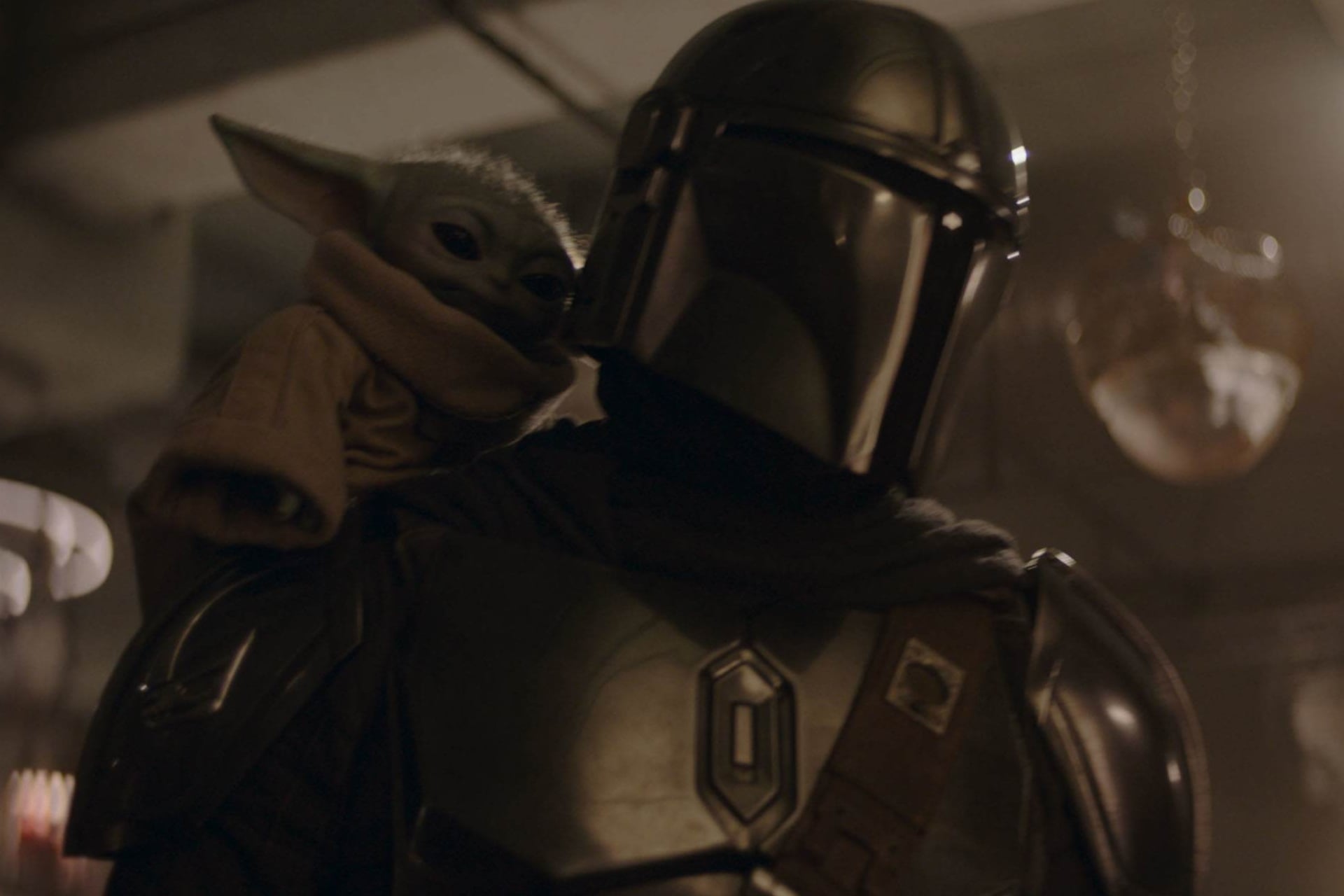
Loser: Star Wars
On opening weekend lines, fans showed up but the registers didn’t ring like they used to. The Mandalorian and Grogu grossed almost 350,000,000 USD worldwide (€322,000,000), respectable but far below recent franchise highs. For a brand that long looked like a guaranteed billion-dollar asset for Disney and Lucasfilm, this was a clear message: name recognition alone stopped being a shield.
Is Star Wars losing its audience?
Not entirely, but attention is fragmenting. Streaming fatigue, crowded release calendars, and mixed critical response mean Lucasfilm must retool audience engagement—creative risk and better narrative gating, not just more tie-ins. Expect internal debates at Disney and shifts in how Lucasfilm leverages legacy IP across Disney+ and theatrical windows.
Winner: Anne Hathaway
Every billboard in town this summer carried her face. Hathaway was omnipresent: supporting roles and lead parts across big-budget titles—The Odyssey, The Devil Wears Prada 2, and the buzzy The End of Oak Street—plus placement in trailers for upcoming thrillers like Verity. She’s kept her career trajectory upward for 25 years and this season sharpened her currency with studios and audiences.
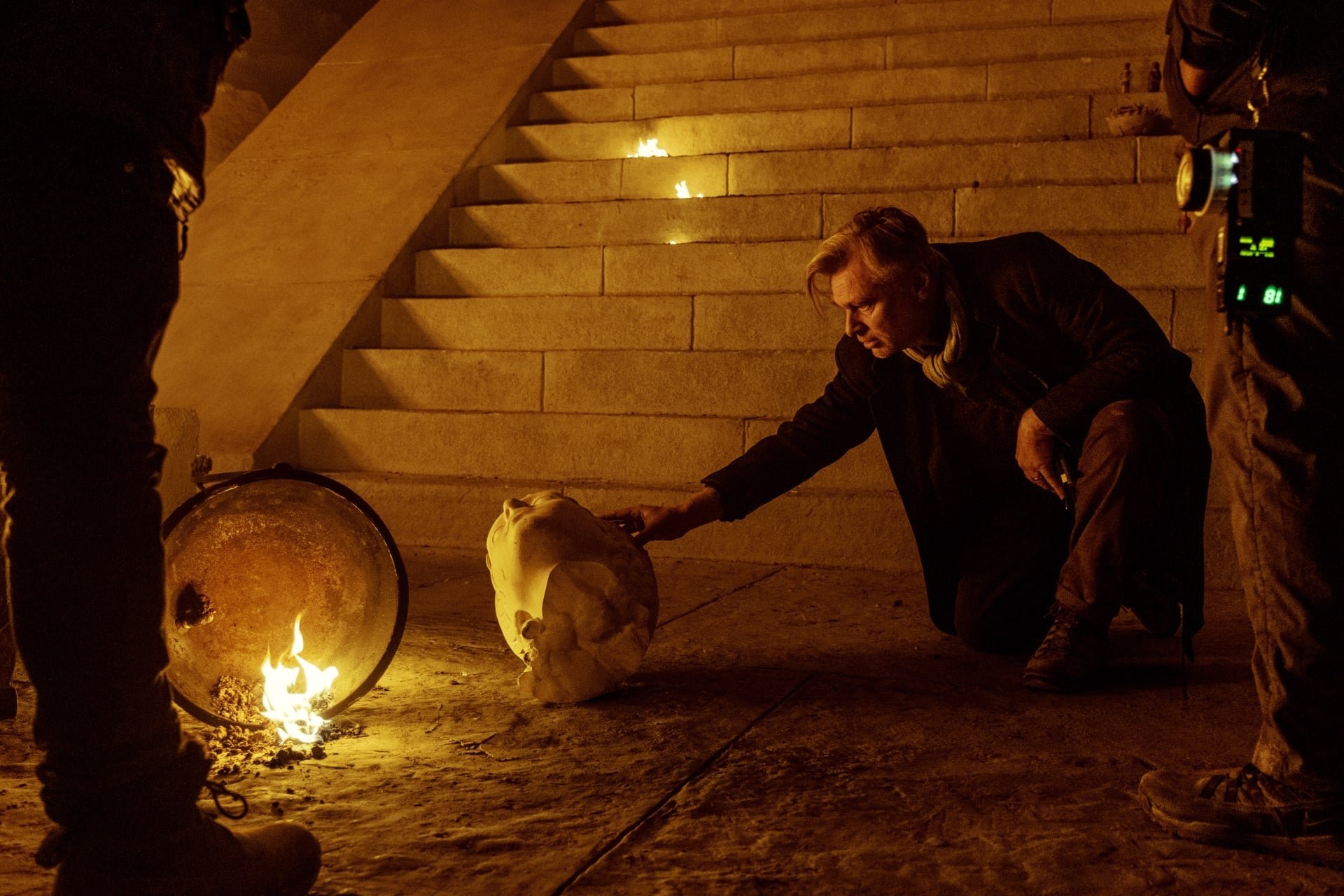
Winner: Christopher Nolan
On the set of The Odyssey, Nolan insisted on shooting in full 70mm IMAX—no half-measures. That bet paid off. The film’s launch became an IMAX event, helped ticketing go feral, and gave theaters a rare summer surge. Nolan’s brand continues to move markets, and IMAX’s summer performance proves studios still prize appointment viewing when someone like him is at the wheel.
Loser: Deadites
At horror screenings, indie titles found hungry crowds but not every legacy property did. The latest Evil Dead, Evil Dead Burn, earned just over 32,000,000 USD in the U.S. (€29,000,000). For a franchise with name recognition, that number is a disappointment and raises questions about franchise fatigue and the limits of nostalgia-driven horror.

Winner: Wile E. Coyote
At industry screenings, people joked that the film had been cursed—then it opened and quietly did solid business. Coyote vs. Acme survived studio cancellation and release turmoil to become a notable, if not blockbuster, success. The story behind the film’s arrival became almost as valuable as box office returns: a cinematic win for persistence and brand flexibility.
Loser: He-Man
In toy aisles and streaming charts, nostalgia wasn’t enough. The live-action Masters of the Universe earned about 113,000,000 USD (~€104,000,000) at the global box office and only modest streaming interest afterward. For a property dependent on 1980s affection, that performance signals that rebooting a franchise requires more than reverent callbacks.
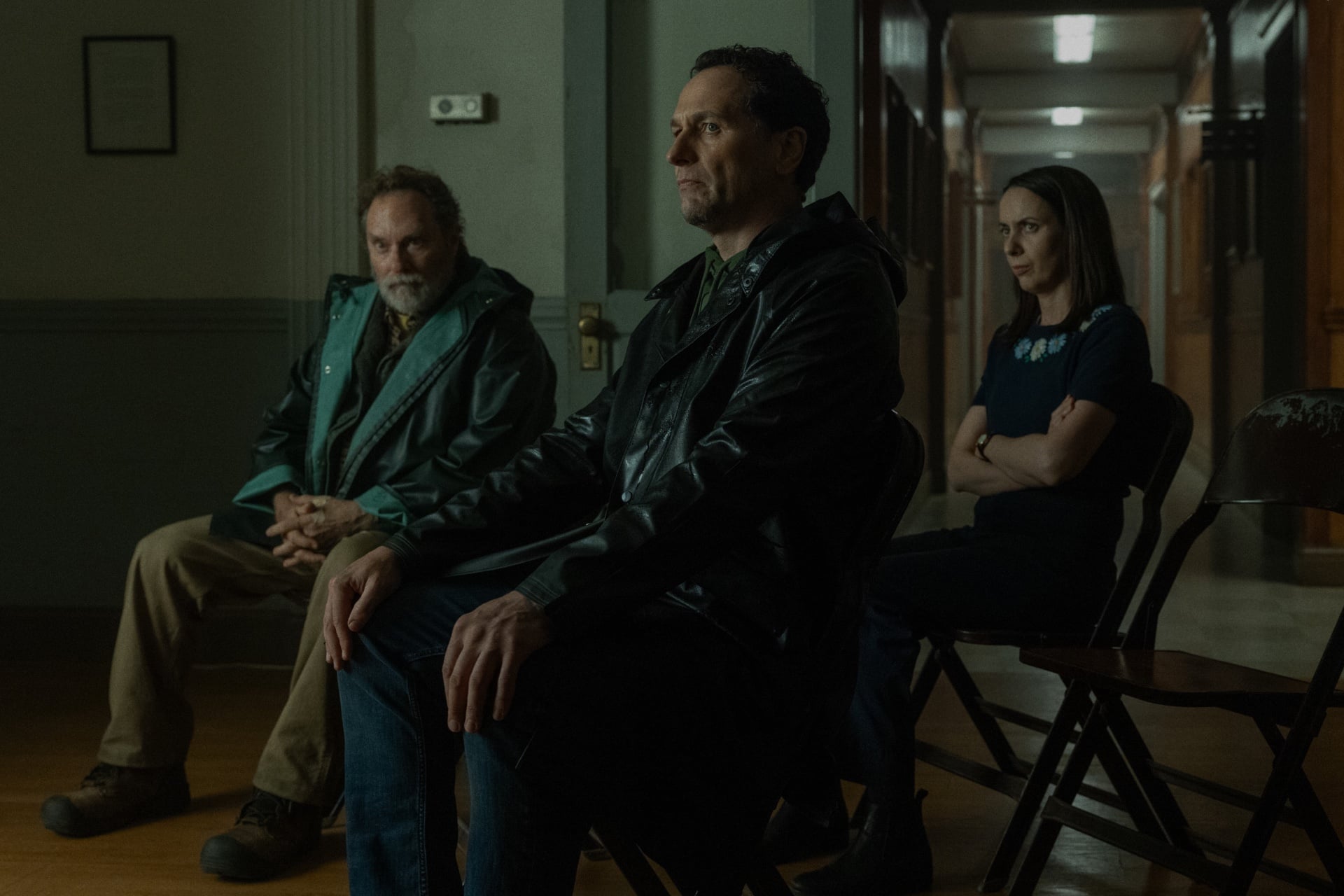
Winner: Widow’s Bay
On water-cooler threads and social feeds, Widow’s Bay became the show people recommended without irony. Apple TV’s small-town mystery blended genre tones—thriller, horror, comedy, drama—and created appointment viewing that felt fresh. Its success is a reminder that streaming platforms still win when a show captures a specific voice and drives conversation through character, not spectacle alone.
Loser: Westeros
At conventions and on message boards, chatter around the latest season of House of the Dragon was noticeably muted. Season three didn’t dominate cultural conversation the way earlier seasons did; viewers tuned in but fewer water-cooler explosions happened. Big-world fantasy is now competing with more compact, intense stories—and HBO must decide how to keep the fire alive.
Those are our picks—winners who changed trajectories and losers who revealed friction points in franchise logic, marketing, and audience patience. I’ll keep watching how studios like Disney, Universal, Warner Bros., and platforms such as Apple TV, HBO Max, and IMAX respond; you should too.
Want more io9 news? Check out the best movies and TV shows to stream this month and all the upcoming sci-fi, fantasy, and horror books that should be on your radar.
Which of these summer shifts do you think will stick and which will be forgotten by awards season?