I refreshed the ticket page and watched seats sell out while a press release about a billion-dollar compute deal landed in my inbox. The two headlines felt like the same experiment unfolding in public. You can feel the pulse: money, machines, and a whispered doctrine all moving toward Nashville.
A half-built data center outside Macon, Georgia sits fenced and humming with construction crews before servers arrive
I’ve stood on similar sites where promises outrun infrastructure. Anthropic reportedly signed a $13.7 billion (€12.6 billion) compute agreement with Rum Group — the company formerly known as Rumble — to lease capacity from a Georgia data center that’s still under construction, according to The Information.
The building claims 120 megawatts of grid power on paper, but permits and timelines can lag. You and I both know that financial headlines can move faster than heavy equipment, and large-scale compute deals are often as much about signaling as kilowatts. If the center misses deadlines, Anthropic’s capacity plan and timelines for model training could be disrupted, and that gap is exactly where reputational risk lives.
What is the Anthropic–Rumble compute deal?
In plain terms: Anthropic has an agreement to lease processing power from Rum Group’s data center infrastructure. Rum Group’s pivot from hosting controversial creators to selling AI infrastructure followed its acquisition of Northern Data, and now it offers racks and power to big AI labs. Think of Rumble’s pivot as a Trojan horse: a brand built on culture-war optics now hawking critical hardware to the very firms warning about AI risk.
Event listings show a four-part, closed-door lecture series in Nashville with $100 tickets and strict admission rules
I clicked the event link and read the fine print: closed-door, off-the-record, recording banned, and the hosts reserve the right to refuse admission. Tickets run $100 (€92) for four sessions. That price and those rules tell you who the audience will be — not the public, but a curated crowd.
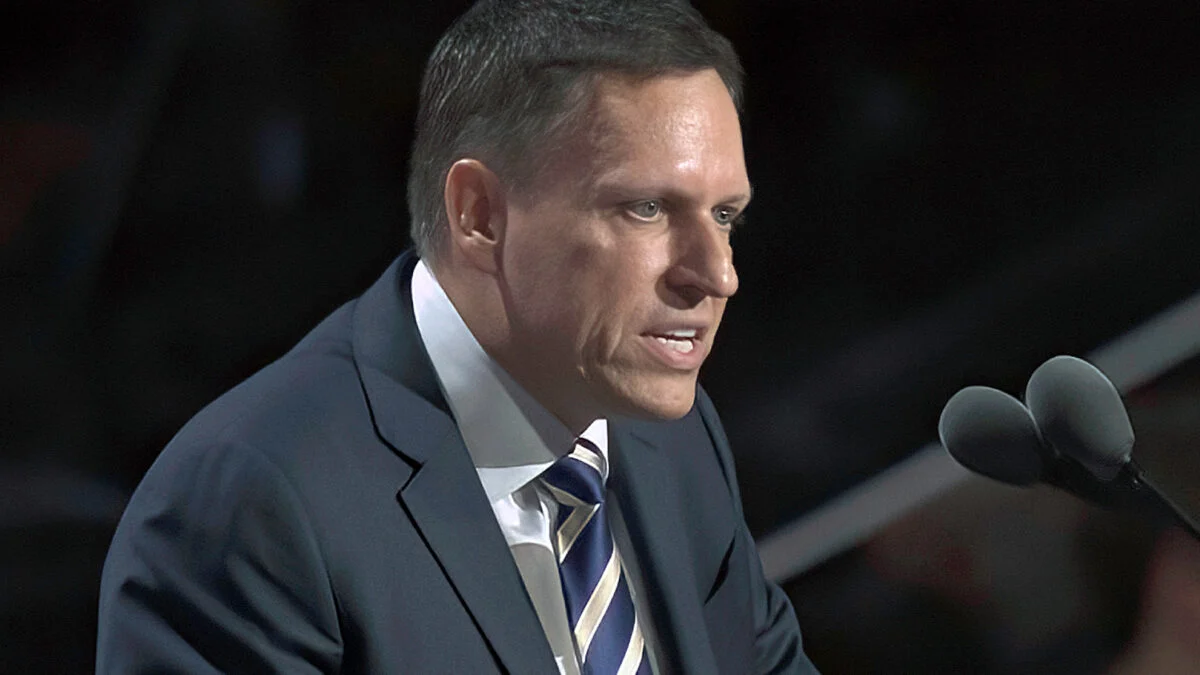
Peter Thiel is bringing his Antichrist lectures to Nashville while investors in Rum Group include his allies and ideological peers like J.D. Vance. You should register that these moves are both cultural theater and deal-craft. A lecture circuit that monetizes existential dread also acts as a filter: it screens who hears the message and which networks are reinforced.
Why is Peter Thiel involved with Rumble?
Thiel’s capital footprint stretches from PayPal to Palantir and through venture funds like Founders Fund. He has a history of betting where politics, technology, and controversial platforms meet. Rumble’s transformation into Rum Group put infrastructure — and profit — on the table. Funding and influence follow that money. You can see the incentives: owning infrastructure that rents to AI labs is lucrative, even if the rhetoric on AI safety suggests slowing development.
Boardrooms and ideology intersect at the margins of profit and prophecy
I’ve watched investor decks and sermon notes sit side-by-side before; this is one of those moments. Anthropic’s public calls for prudence in AI have been juxtaposed against deals for massive compute. Partners include Elon Musk’s SpaceX, and now Rum Group — a company layered with high-profile conservative investors.
There’s a contradiction you should notice: firms urging caution while contracting for more horsepower. Anthropic may have pragmatic reasons — capacity, redundancy, competitive cost — but pairing with a politically explicit platform like Rumble invites narrative friction. When tech and theology meet capital, the headlines write themselves and the public loses the benefit of a neutral conversation.
Small moves on a page ripple into governance and public trust
I’ve interviewed regulators and researchers who say provenance matters: who provides the power and where the servers sit changes signal and security. Rum Group’s past as Rumble, its ties to controversial figures like Alex Jones and Tucker Carlson, and the presence of early investors such as Peter Thiel and J.D. Vance are not ornamental details.
Imagine the optics: an AI lab that publicly warns of fast-paced model risk renting capacity from a company associated with partisan media. It looks like profit and platform priorities are commingled. And when investors profit, survivorship bias kicks in — the incentives shape what gets built and who is heard. Anthropic may be chasing computing capacity like a moth to a flame; the attraction is practical, but the risk is reputational and political.
What this means for you, for journalists, and for policymakers
I’m suggesting you read these moves as more than dealflow. Watch the timeline: data center completion, rack deployment, and any additional filings or partner announcements. Regulators and journalists should ask hard questions about operational readiness, governance of rented infrastructure, and the political ties of providers.
For investors and technologists, remember that infrastructure choices are also narrative choices. Choosing where your models run is a public statement now as much as a technical one.
You’ve seen the headlines, the tickets, and the cap table — so who gets to define the story of AI’s future when power, money, and prophecy converge?