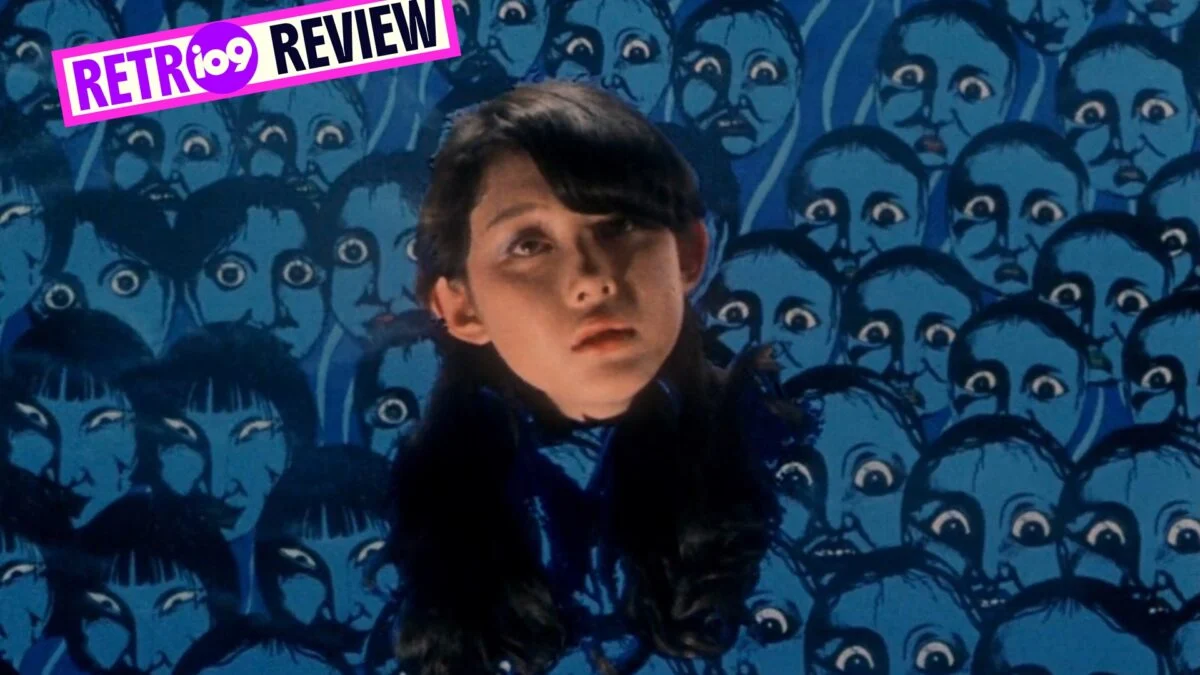
The projector hiccups, a mirror swallows a face, and someone behind you makes a sound halfway between a laugh and a cough. You clamp your hand over your mouth because the moment is supposed to be terrifying. I sat there thinking: this is exactly how a horror-comedy should feel.
I’ve spent years arguing that great horror borrows the timing of a joke, and great comedy borrows the shock of a nightmare. If you like films that ping-pong between absurdity and dread, House is the oddball your film queue has been missing. Read on and I’ll show you why Obayashi’s 1977 experiment still pulls punches.
Why revival audiences applause at the wrong beats
At midnight screenings people cheer when the weirdness deepens rather than when the plot advances.
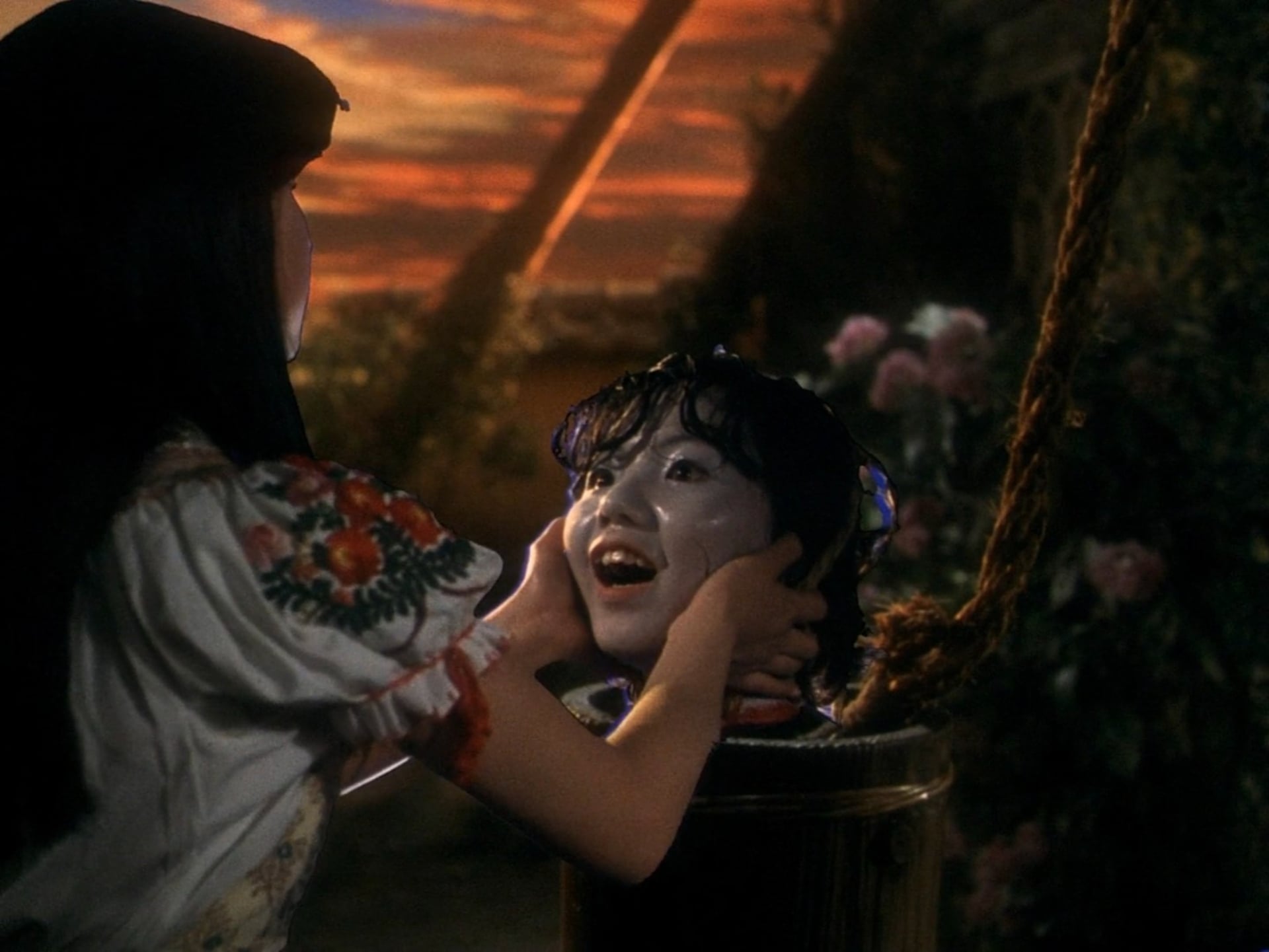
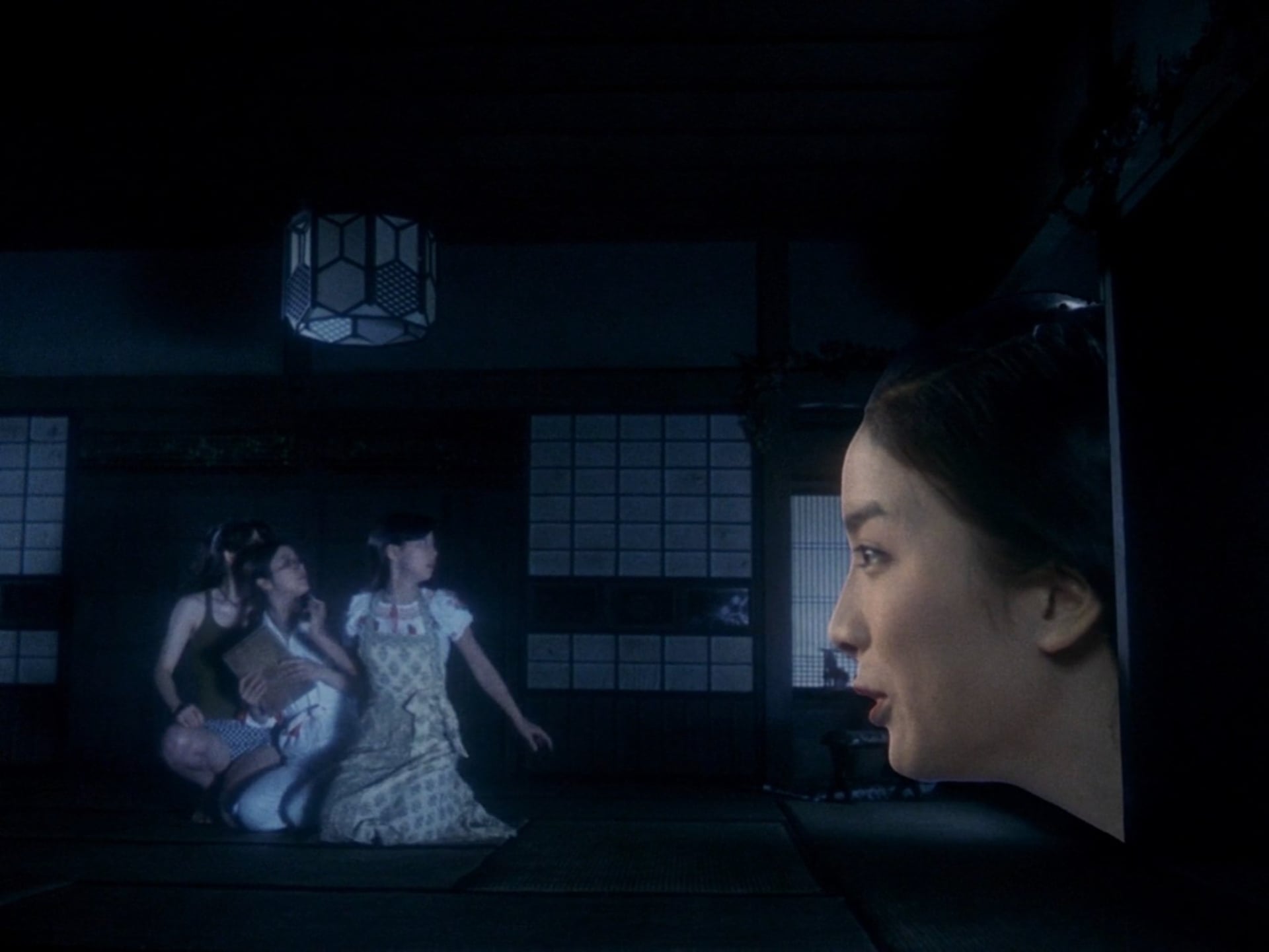
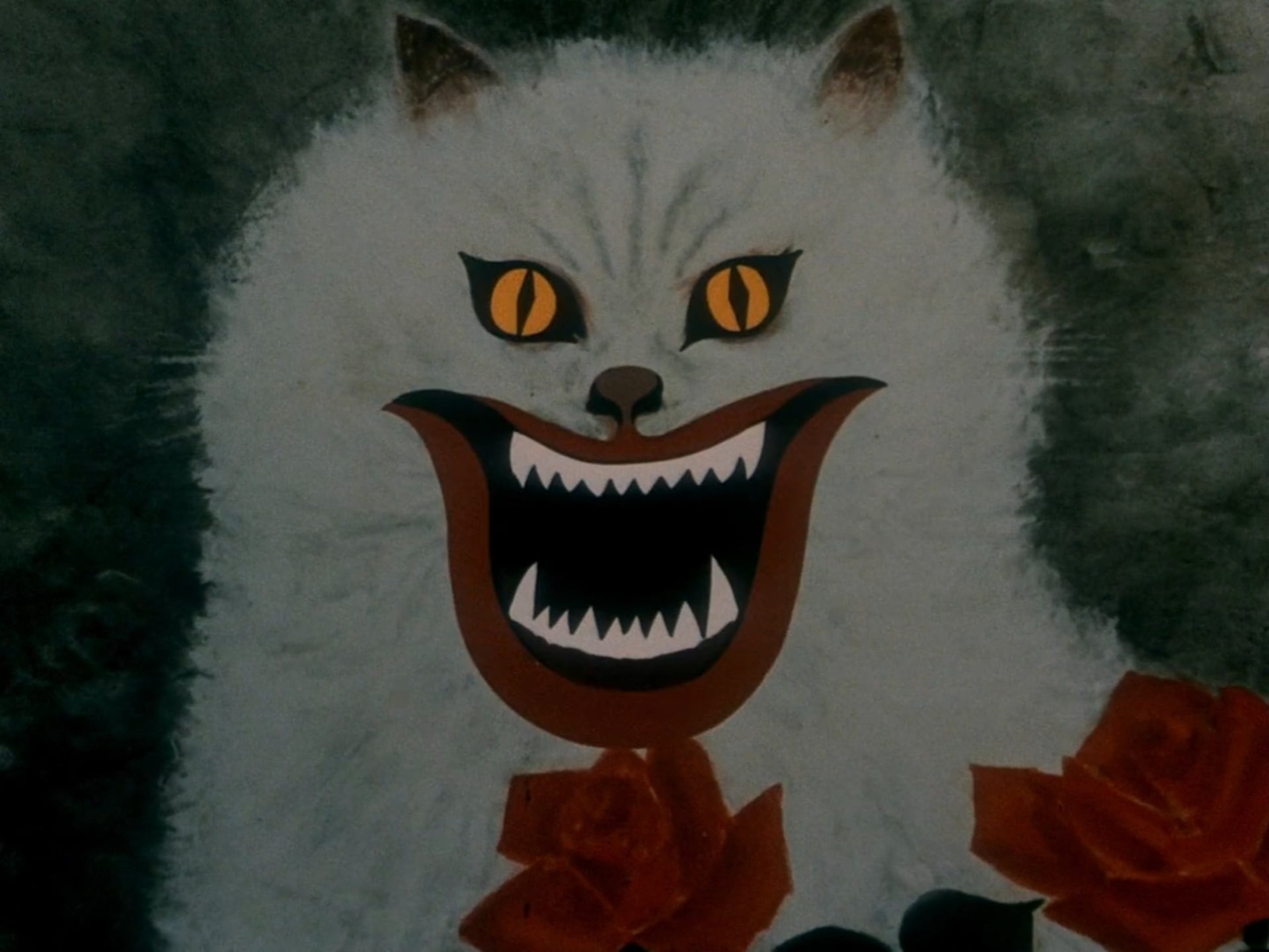
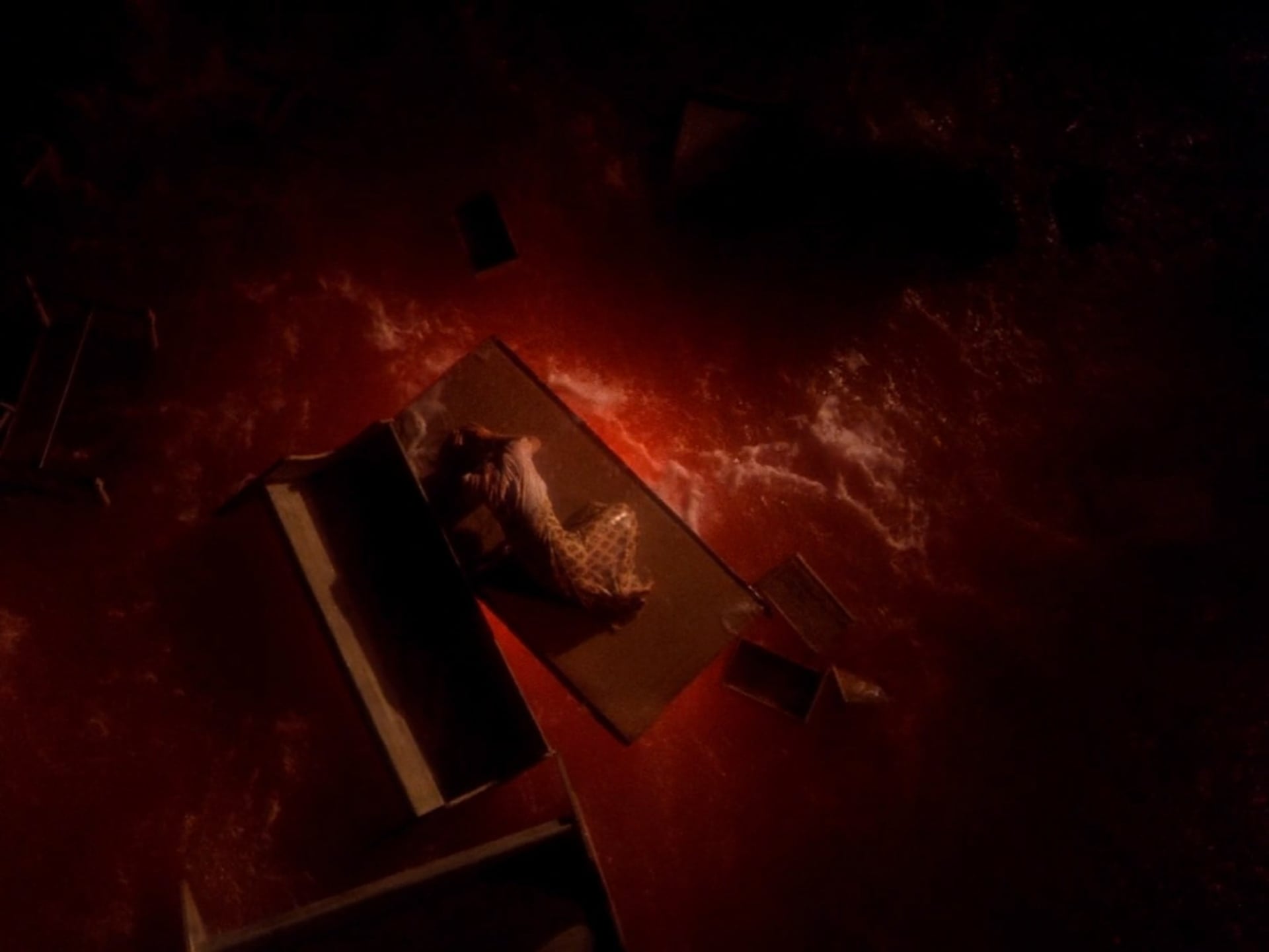
House trades in misdirection and pace the same way a stand-up comic toys with timing. The film is not built to terrify you the way a haunted-house walkthrough does; it’s built to unmoor you. Faces melt. Telephones constrict like snakes. A piano eats a girl and the sound cue reads like slapstick. The emotional trick is simple: Obayashi strings tension and relief together so tightly you start to laugh to keep from screaming.
This is where the film’s charm lives and why it resists tidy labels. It’s a movie of jolts and giggles, and the more you try to categorize it, the more it slips away—like a jack-in-the-box crossbred with a watercolor nightmare.
Is House (1977) scary?
People often ask whether House actually frightens viewers or just amuses them.
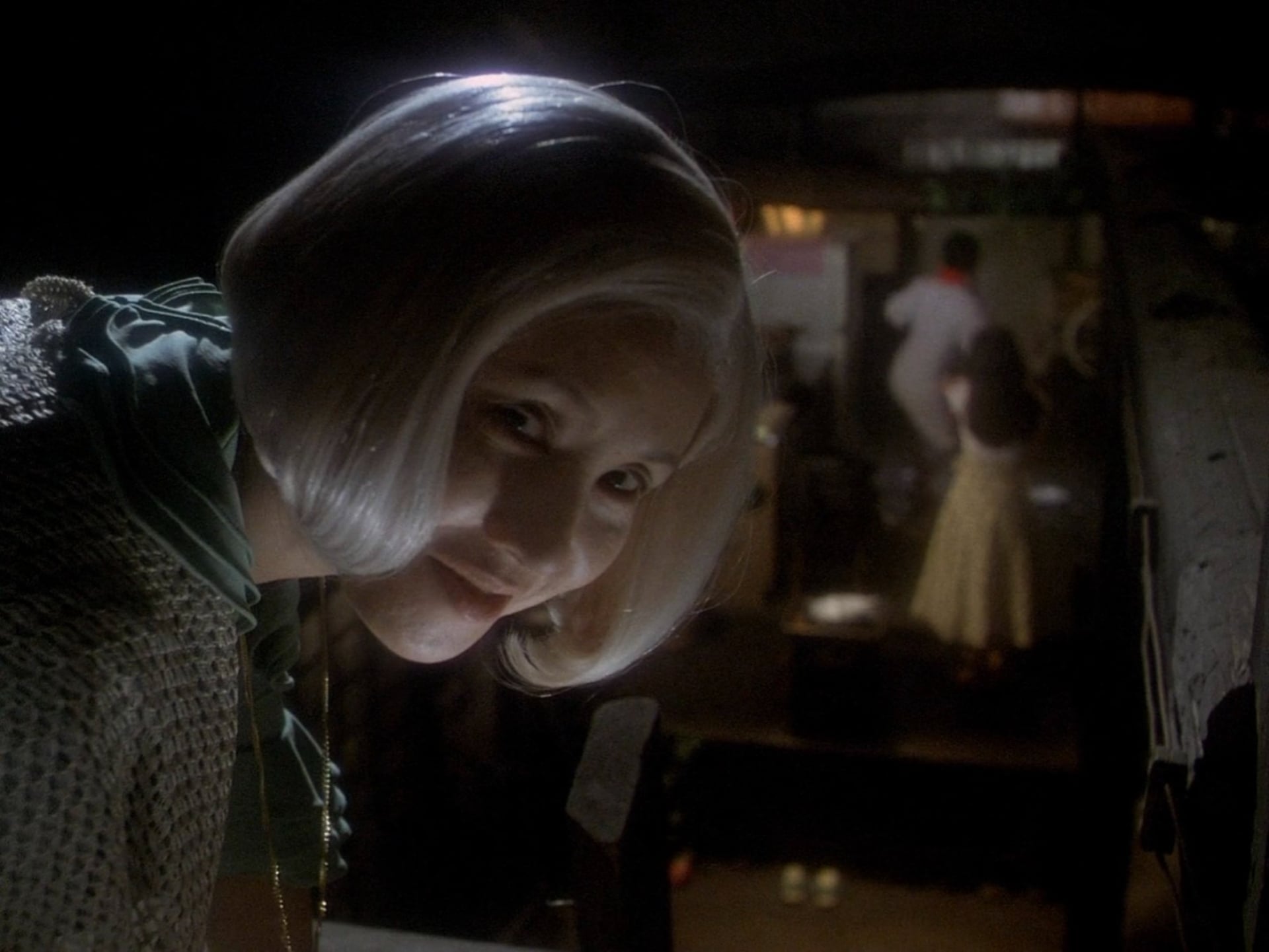
It does both, depending on what you bring to it. If you want jump-scare ledger entries, this isn’t your textbook slasher. If you like tonal whiplash, surreal set pieces, and the uneasy feeling of childhood play gone wrong, the movie will get under your skin. The scares are psychological and aesthetic: timing, absurdity, and image mismatches that unsettle long after the credits roll.
What the camera does when the script refuses to behave
On-set, Obayashi treated the camera like a mischievous actor rather than a neutral recorder.
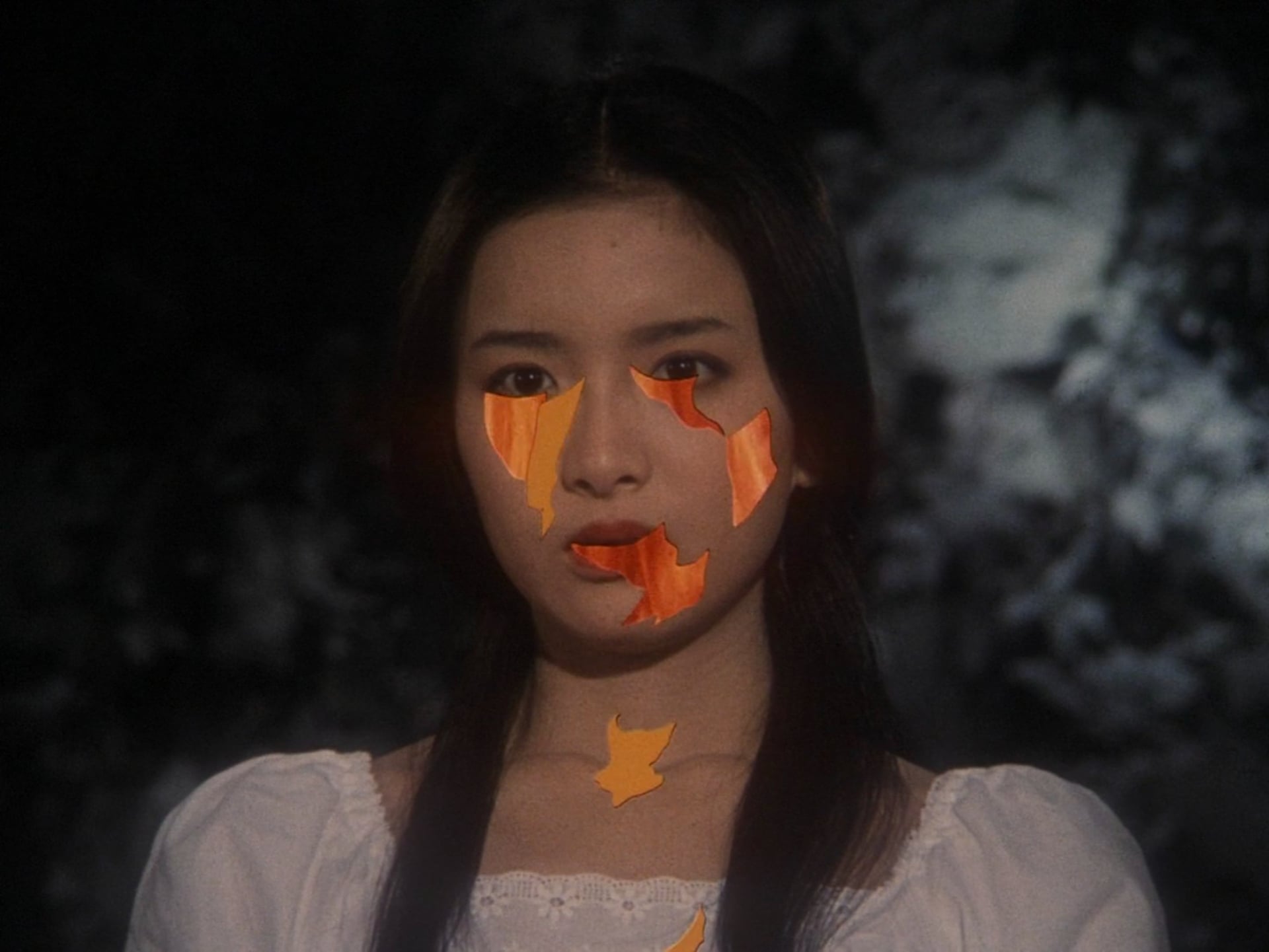
He uses slow frames, sudden iris wipes, chroma compositing, and stop-motion in ways that still feel surprising. The seams—rough green-screening and awkward overlaps—work to the film’s advantage; they keep you from settling into familiar visual grammar. The effect is an image engine that hiccups into new meanings: sometimes silly, sometimes grotesque, always inventive.
The film’s cast—Kimiko Ikegami (Gorgeous), Miki Jinbo (Kung Fu), and Kiyohiko Ozaki (Mr. Togo)—play the absurd straight, which makes every tonal pivot land harder. Obayashi’s background in experimental shorts and television shows; Toho’s distribution muscle; and later curators like the Criterion Channel helped cement the film’s place in cinephile conversations. Think of House as an animated postcard that bit you back.
Where can I stream House (1977)?
People want to know where to watch without hunting through dusty catalogues.
Right now the film is available on HBO Max, Tubi, and the Criterion Channel. Criterion’s restoration work is typically the cleanest presentation, and streaming platforms like HBO Max make it accessible to a broader audience—perfect if you want to show friends the movie without fuss.
Why is House considered a cult classic?
At specialty film festivals and late-night revivals, House gets applause that feels like a reclaiming ritual.
Cult status comes from a mix of daring technique, tonal risk-taking, and sheer improbability: a Japanese director making a teenage-girl-inflected horror comedy in 1977 was not a predictable pitch. The film’s bold visual language, its refusal to play politely with genre expectations, and the delight it takes in its own oddness are what keep cinephiles recommending it across forums, TikTok clips, and YouTube video essays.
How to watch House so it hits the right way
On a Friday night with friends, the room hums differently than when you watch alone.
Make it communal. Let people Google the cast bios between scenes. Queue up a couple of short YouTube essays on Obayashi beforehand to frame his career. If you have access to the Criterion Channel restoration, use it; if not, Tubi and HBO Max will do for a first run. Treat the film like a live event: react aloud, share the weird lines, and pause to point out a tricked shot. You’ll find the movie rewards that kind of attention.
There’s a taste element here: if you like Looney Tunes energy braided with a haunted-house mood, this will feel like a discovery. The question is not whether it’s tidy—it’s whether you want your horror served neat or mischievous; which do you prefer?