
I remember the first jump scare — the screen went quiet and you could hear the theater breathe. I sat forward, certain the next frame would wreck everything I’d thought about movies that mutate people into monsters. You felt it too: a small, awful certainty that nothing in Zach Cregger’s Resident Evil would stay familiar for long.
I’ll speak plainly: I watched with a critic’s attention and a fan’s stomach. You should know this guide spoils the film—there are no end-credit scenes, so the creatures are the story’s biggest reveals. I rank them by how disturbing they are, how gross they get, and how much they matter to the plot.

What monsters appear in Zach Cregger’s Resident Evil movie?
I’ll give you the list and a read on why each one matters. From farm dogs to human conglomerates, the film borrows from Capcom’s horror DNA while letting Zach Cregger and Sony Pictures’ practical/VFX teams get weird in public.
Are there spoilers in the film?
Yes. The creatures are the narrative beats—what you see on screen tells almost everything about the virus and its logic. If you want surprises, stop reading now; if you want to understand how the scares work, keep going.
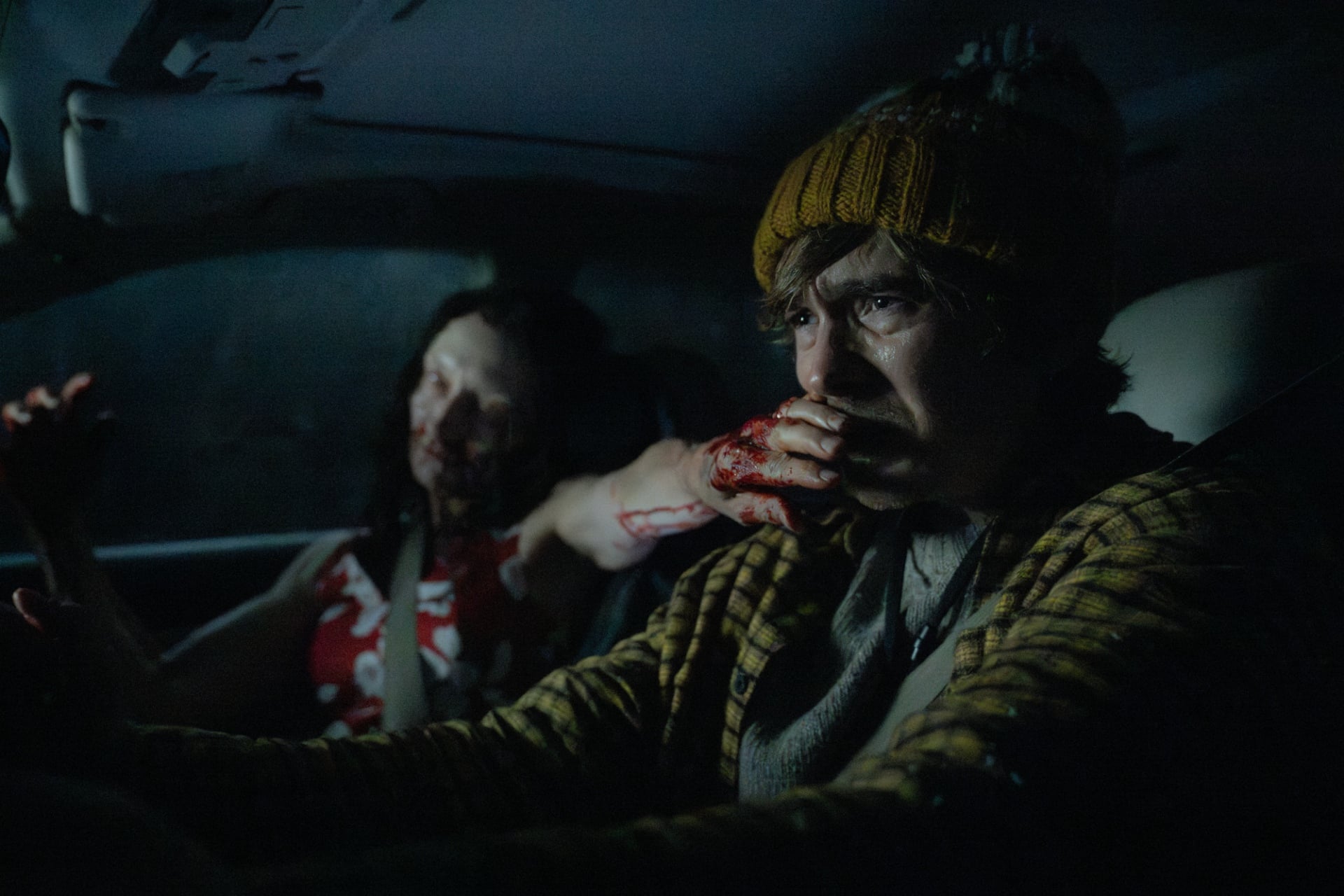
11. Undead people
You’ve seen versions of this in every survival-horror ad ever released. These are the baseline infected—the woman Bryan meets early and the farmhouse couple—useful for tone and pacing but not the film’s main horrors. They’re familiar, which is why they register as least threatening: their presence is a signal rather than the final act.
10. Human bombs
You’ve watched people in crowds in real life turn into a single, dangerous motion. Here the film literalizes that impulse: infected figures launch like grenades from rooftops and blindsides. It’s inventive staging—gross and kinetic—but feels like a variation on a cinematic trope rather than a wholly new monster.
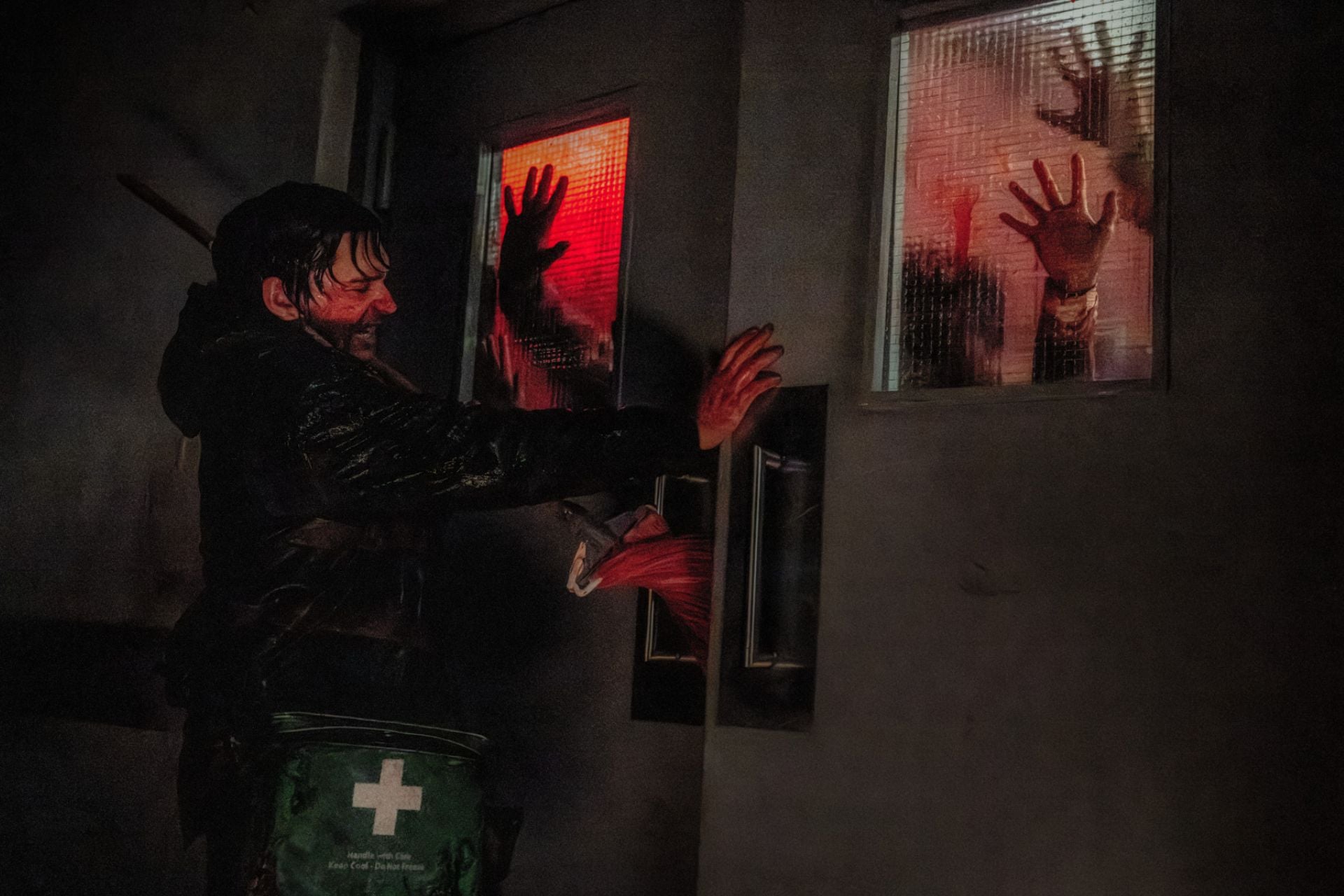
9. Bubble monsters
You’ve seen growths and cocoons in countless horror sets—this is the maternity-ward payoff. These creatures burst from birthing pods and move with human shapes stretched into something else. They’re bigger, meaner takes on the infected, and earn points for design, but they keep one foot in something the audience already knows.
8. Undead Dog
You’ve been startled by dogs in real life—this one betrays that trust. The farm dog opens its maw like a secret and fires tentacles: two jump scares back-to-back that both shock and amuse. It’s a moment of practical-effects bravado that proves Cregger wants to flirt with grotesque comedy as much as horror.
7. People Pile: Version Two
You’ve watched crowds swell into a single mass at concerts or protests. Here, that literal mass becomes the movie’s ongoing antagonist: a growing, cannibalistic organism that absorbs bodies and personality. Version Two has scale and spectacle; it’s impressive, messy, and a little less frightening because its size makes its intent obvious.
6. Acid Puker
You’ve ridden elevators with strangers and felt the claustrophobia tighten. The bloated man who vomits acid in the lift turns that social discomfort into a set piece: acid eats away at the space, and Bryan’s options narrow by the second. The sequence balances disgust, suspense, and dark humor in a way the trailers didn’t fully promise.
5. People Pile: Version One
You’ve seen a small gathering turn ominous before it turns violent. The first People Pile is terrifying because it’s minimal—an amalgam of a woman and a farmhouse couple that moves like a wrong amusement ride. It’s the concept at its purest: less is scarier when the idea is clearer, and that cold simplicity lingers.
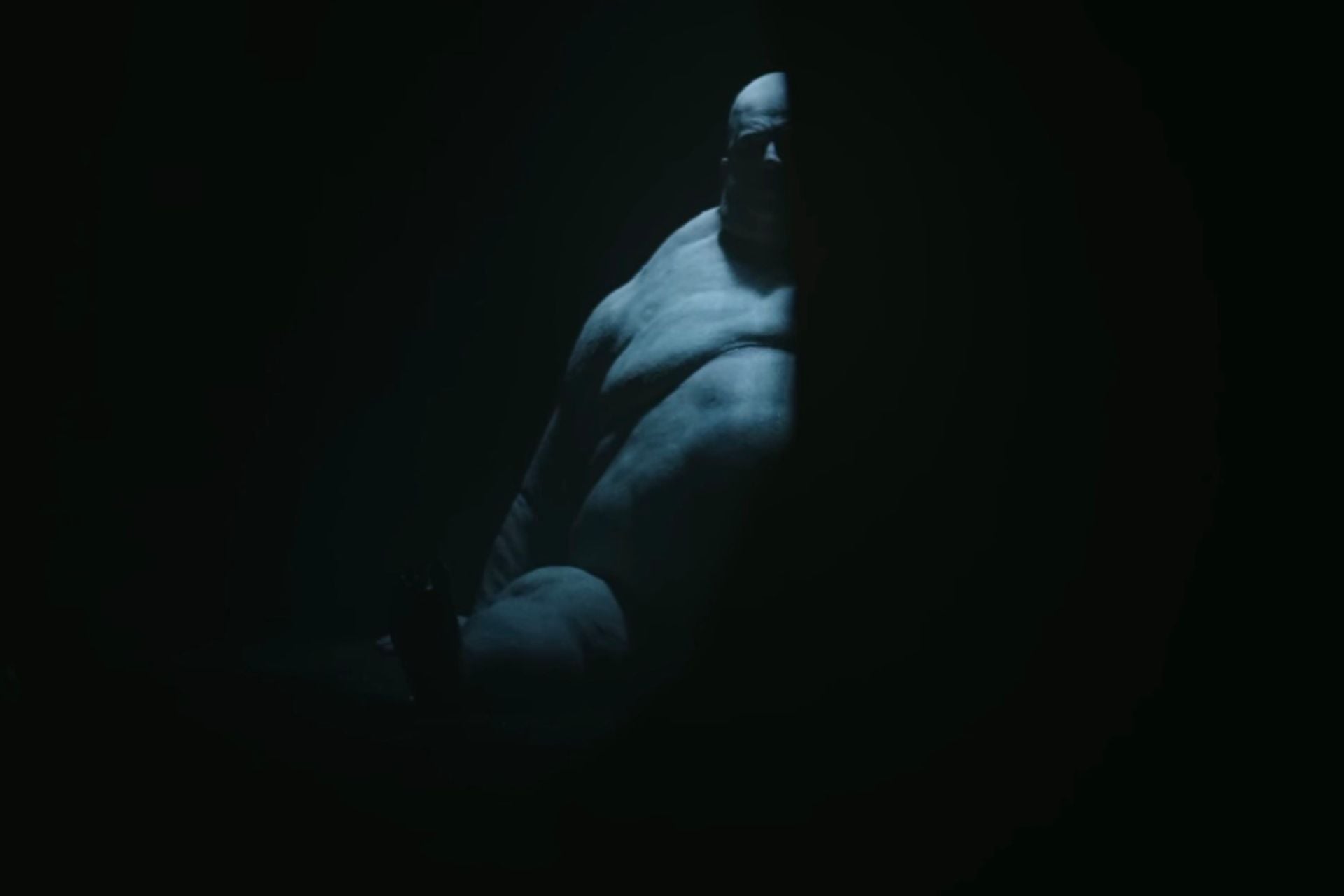
4. The Rat Man
You’ve seen infestations on the news and felt that creeping, bodily dread. This character is large, human-shaped, and literally full of rats—an image that borrows from folk-horror and amplifies it with grotesque scale. The design works because it mixes an ordinary fear (rats) with the uncanny idea of them redefining human anatomy.
3. The Little Girl
You’ve noticed how children are used in movies to disarm audiences. The camper scene flips that script: a frightened child whose foot has become root-like, then blossoms into a Demogorgon-like bloom. That slow reveal—innocence morphing into active threat—lands harder than any CGI monster because it perverts something sacred.
2. Bryan
You’ve watched protagonists carry trauma across an hour and then change in ways that rewrite the story. Bryan’s arc from scared everyman to a grotesque entity is tragic and fascinating: personal history plus infection equals a creature with more personality than many set pieces. He’s effectively a People Pile with identity, which makes his final form painful to witness.
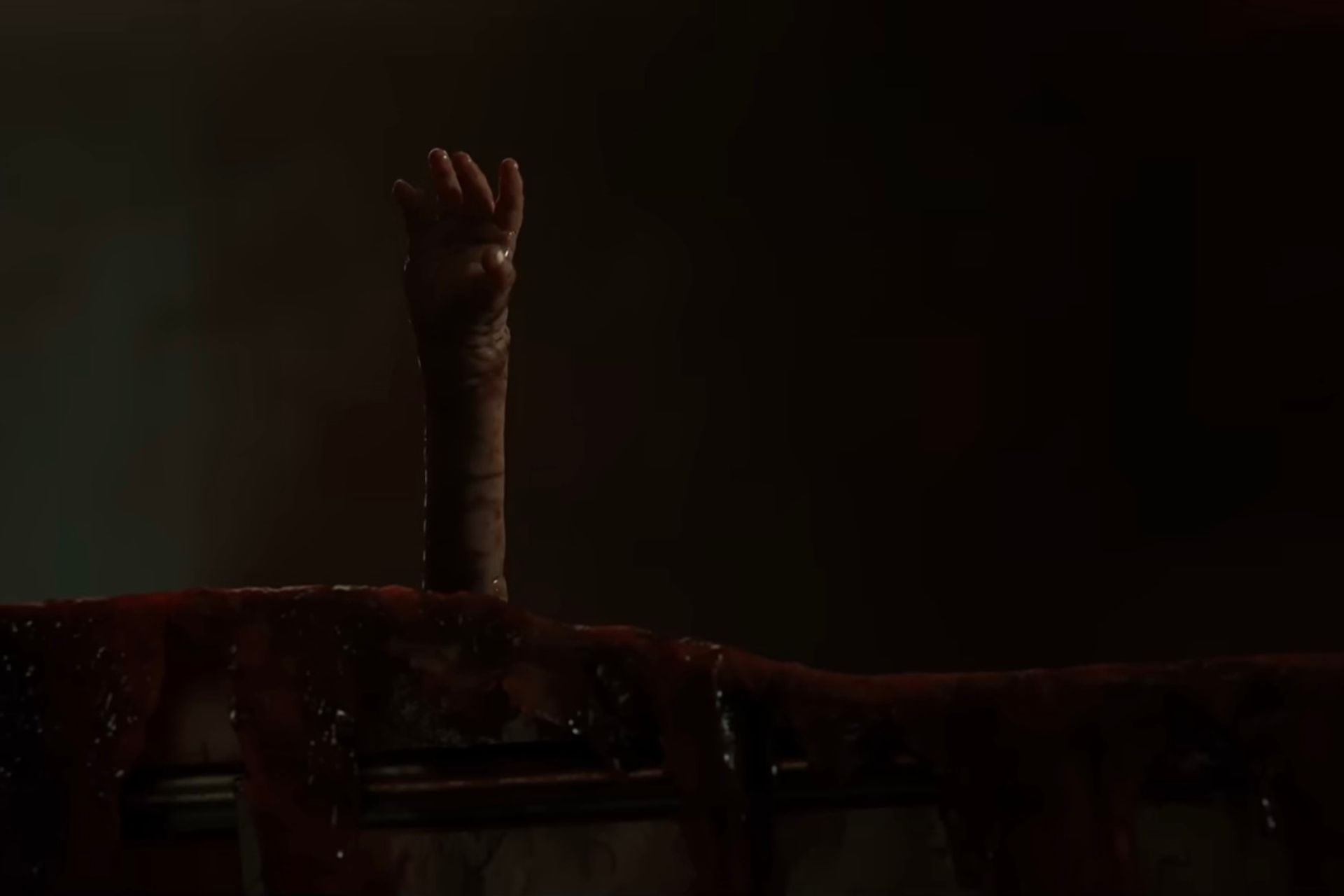
1. Spider Baby
You’ve felt an instinct to cover your eyes at night when a baby monitor crackles. The Spider Baby is brief on-screen and long in imagination: tiny hands crawling from a crib, multiple eyes flashing for a second before the film cuts away. That restraint—the film’s refusal to fully show the thing—is a clever horror choice; like a half-closed door promising a darker room, it makes your mind finish the job.
I’ve watched the film with both an affection for Capcom’s lore and a critical eye for cinematic craft: Zach Cregger stages most of these monsters with a mix of practical effects and VFX that honors classic survival-horror while nudging it into stranger territory. Sony Pictures banked on those choices, and VFX vendors and practical teams delivered the tactile revulsions that trailers only hinted at. Which creature will stay with you after the lights go up?