
The robbers slip out of the bank before anyone can blink. I watch the getaway replayed on a loop—one clear choice, one small mistake, and the whole thing explodes. You know that sudden gut-check: did you just run a clean job, or sign your own sentence?
What is the GTA 6 Criminal Profile?
At a real crime scene you don’t get to rewrite the tape; traces tell the story. Here’s how Rockstar turned that forensic truth into gameplay.
I’ll say this plainly: the Criminal Profile in Grand Theft Auto VI measures professionalism, not morality. It’s not Arthur Morgan’s honor bar from Red Dead Redemption 2; it’s a record of how tidy—or chaotic—your crimes are. Rob Nelson and the Rockstar team designed it to reward restraint and punish theatrical carnage.
The metric watches how you execute jobs: do you intimidate, restrain, and vanish cleanly, or do you turn a robbery into a bloodbath? There’s no divine judgment. You won’t become a saint for petting a dog after blowing up a vault. Instead, you’ll shape two parallel reputations—for Jason and for Lucia—based on method and consequence.
GTA 6 Criminal Profile States and Honor Ranks
In the real world, security analysts separate cold, planned hits from chaotic rampages by patterns and collateral. GTA 6 borrows that mindset and translates it into four distinct states.
Those states replace a single, always-on meter with labeled personas you can hold: Professional, Aggressive, Violent, and Psycho. Each state carries gameplay consequences and narrative weight.
Professional
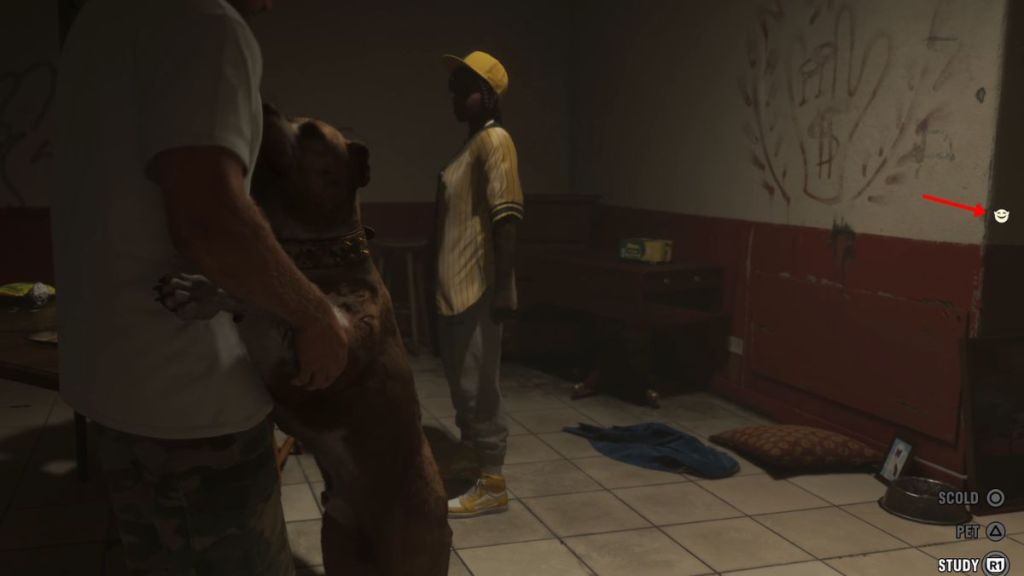
Think of a professional bank job you read about in investigative pieces—swift, quiet, little trace. That’s the Professional rank.
You avoid unnecessary escalation. You intimidate, restrain, and leave with the loot and minimal noise. Gameplay-wise, staying Professional narrows heat, keeps investigations cleaner, and opens options that brute force closes.
Aggressive
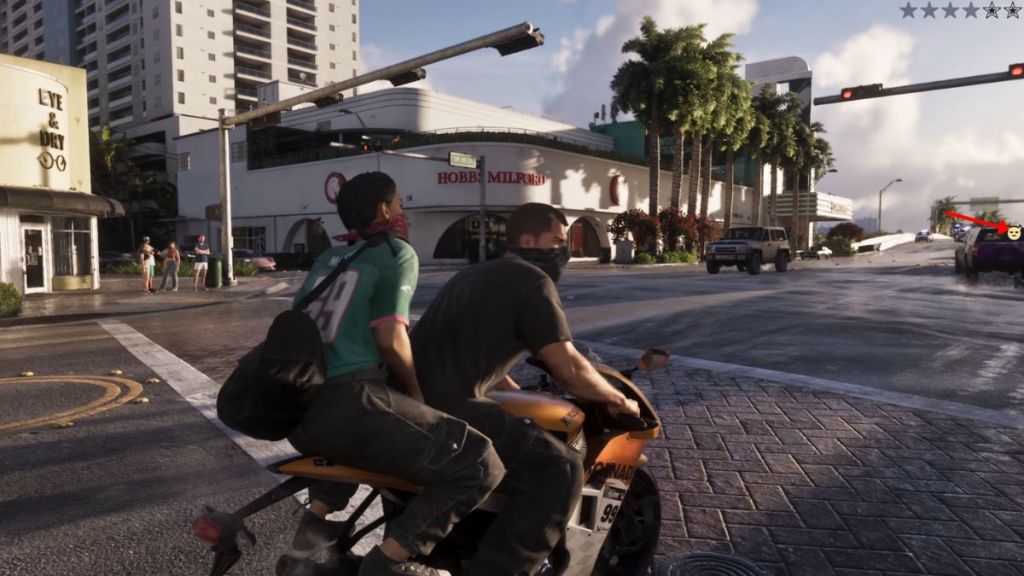
You’ve sat through war-room tapes where tempers turn a plan sideways; that’s Aggressive territory.
Here force is used when it wasn’t strictly necessary. You can still control scenes, but you choose intimidation or violence as a primary tool. Expect higher heat, more violent encounters, and fewer clean exits.
Violent
Police reports flag patterns of unnecessary killings—reputations harden fast. That’s what Violent represents in-game.
If you routinely kill non-targets and escalate chaos, the game will treat you differently: more brutal confrontations, nastier gore (Rockstar has already shown a harsher visual tone), and harder long-term consequences in missions and story beats.
Psycho

I’ve read witness statements that sound like someone’s writing horror scripts; Psycho is that escalation fully realized.
When your norm is chaos and gratuitous violence—ramming civilians, massacres during robberies—you reach this extreme. The world responds with fixation: bounty hunters, hostile NPC behavior, and story forks that reflect your brutality.
Can You Break the Criminal Profile in GTA 6?
Real investigators will tell you: some records are permanent. GTA 6 borrows that sting.
Yes. Beyond the four standard states there’s a Shattered or Broken state you can hit if you treat the city like classic, unchecked GTA. Rockstar warns this may be irreversible for that playthrough. Small good deeds won’t paper over a trail of mass violence.
That permanence changes choices; a single spiral into chaos can close off options and alter story threads. The game intends for actions to feel heavy and for consequences to stick, so plan your signature hits like a prosecutor building a case against you.
What Raises the Criminal Profile in GTA 6
Look at crime analytics and you’ll see intent matters more than raw numbers; the same applies in-game.
Committing crimes alone won’t auto-escalate your profile. It’s the manner of the crime: collateral damage, civilian deaths, visible chaos, and public spectacle move you up the ladder. A clean robbery with minimal evidence keeps you Professional; a chaotic spree drags you toward Aggressive or Violent.
Small choices compound: who you intimidate, whether you kill witnesses, how you handle escape routes. Those details nudge a character’s biography and the way NPCs, law enforcement, and narrative beats react.
Does Criminal Profile Affect Jason and Lucia Differently?
In partnership crimes, partners often have separate police files—GTA 6 copies that structure.
Jason and Lucia hold independent profiles. You can craft a disciplined, strategic Jason and a hot-headed Lucia at the same time. That split lets you play dual strategies and watch how different reputations steer story moments, mission options, and NPC trust.
Rob Nelson hinted that these separate identities will influence the narrative, which makes the mechanic more interesting than a single honor meter—your choices shape two arcs, not one.
Is GTA 6’s criminal profile the same as Red Dead Redemption 2’s honor system?
No. RDR2’s honor tracked morality and public perception; GTA 6’s Criminal Profile tracks professional behavior and escalation. Rockstar borrowed systems thinking from RDR2 but repurposed it to reward surgical planning over virtue signaling.
What are the GTA 6 criminal profile states?
The four standard states are Professional, Aggressive, Violent, and Psycho, plus a possible permanent Shattered state that locks a playthrough’s consequences.
Do Jason and Lucia have different criminal profiles in GTA 6?
Yes. Each protagonist builds an individual profile. That creates branching opportunities: one character’s reputation can open tools or close missions for the other.

If you want tactical tools, study mission briefs like a planner and keep your profile tidy; if you favor chaos, expect doors to slam shut and new kinds of trouble to find you. Which identity will you write into the city’s record?