
I watched the cameras catch Trump and Dario Amodei side by side and felt the room tilt. For months the same president had been sneering at Anthropic; now he was smiling as if he’d found a new cast member. You could feel the shift before anyone explained it.
I’m going to tell you what I think happened, and I’ll keep it short: Trump’s change is less about policy and more about presentation. You and I both know how power responds to optics; I’ve covered enough of these backstage transactions to spot the pattern.
They met for dinner on a Tuesday evening. The optics mattered more than the minutes.
Reports say Trump spent two and a half hours over dinner with Amodei. I’d wager that for him it wasn’t a policy audit; it was an audition. You watch the person, the posture, the glasses, the laugh—Trump treats people like casting directors do actors.
It helps to remember the recent history: earlier this year the Pentagon and at least one commander-level voice blasted Anthropic for restricting military use of its models. That spat reached Truth Social and the headlines, and the narrative was simple—traitorous tech, refusing the Defense Department. Then, suddenly, the president is chatty, calling Amodei “a very smart guy.” That switch smells like optics aligning with political appetite.
Why did Trump change his stance on Anthropic?
Because he found a face he likes. You understand how that works: presidents personify complex issues through people. For Trump, a man who vets the world through TV and celebrity, the right face can reframe a story overnight.
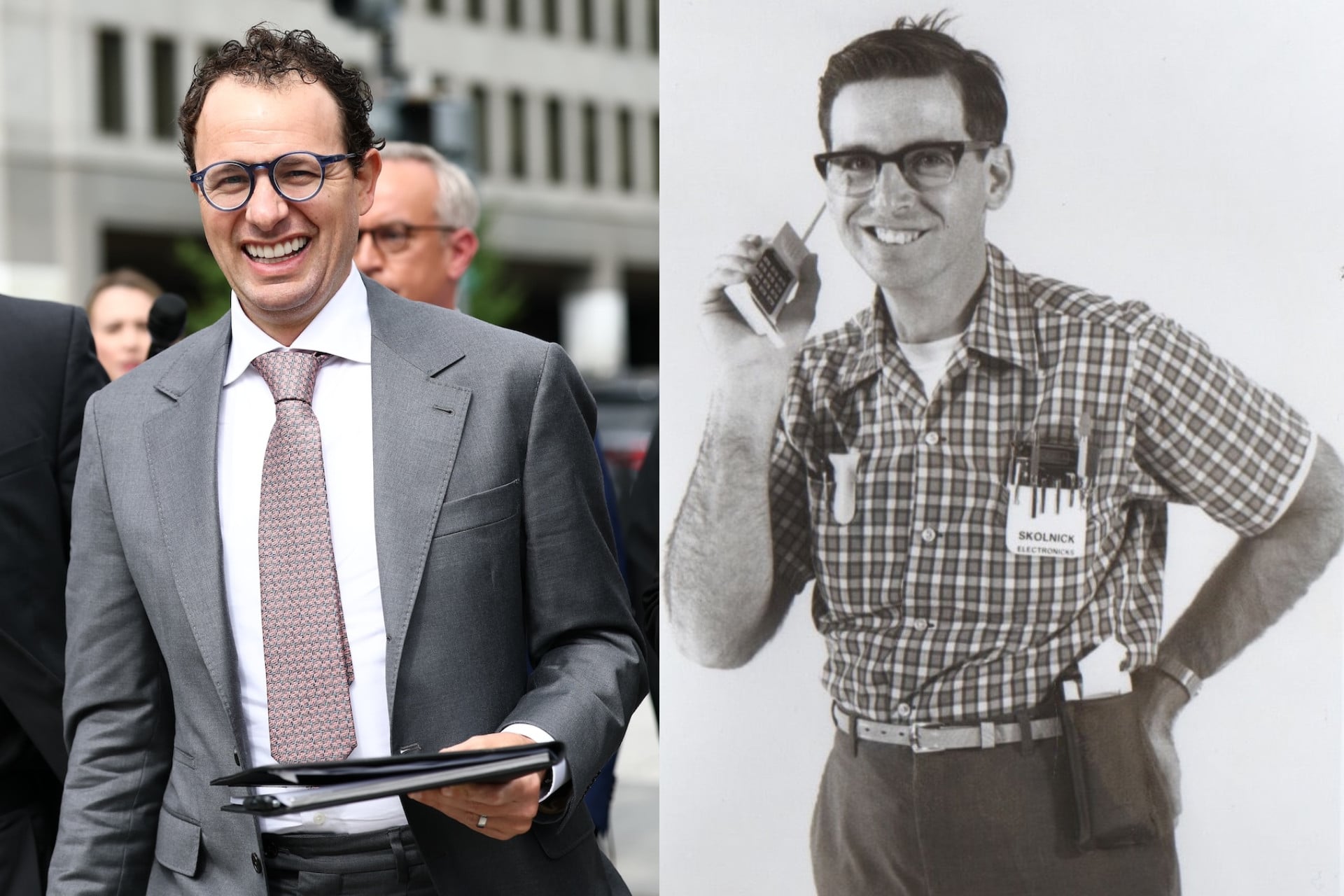
He paused on the glasses and the posture. Appearance is currency in this presidency.
Trump has a catalog of how leaders should look in his head: leather jackets and broad-shouldered swagger, or a wholesome politician’s tan. I’ve seen him judge men by a haircut or a suit more than by a memo. When you run the world as a production, wardrobe becomes policy shorthand.
Compare Amodei to the other CEOs who went to the West Wing summit—Mark Zuckerberg, Sam Altman, Jensen Huang. Zuckerberg has been recasting himself; Altman carries a more modern startup swagger. Amodei, by contrast, reads like a Polaroid frozen in nerd couture. That contrast matters to an image-driven president.
He heard Amodei speak and liked the tone. Words can sell comfort as well as tech.
At the press briefing Trump called Amodei “maybe different than I thought.” You and I both know that phrase is a form of approval: not full embrace, but an opening. I followed Amodei’s public lines—Anthropic’s safety guardrails, the ban on autonomous weapons use—and where the Pentagon framed those as obstacles, Amodei framed them as responsible stewardship.
That stewardship language plays well on cable and social platforms—Time ran a long interview, the Wall Street Journal covered Amodei’s personal life, and the YouTube clips of the dinner started circulating. For Trump, a CEO who sounds reasonable on TV can be converted into the camera-ready face of AI policy.
What does Dario Amodei want from the White House?
He wants influence without losing his company’s public mission. Anthropic’s rules—no autonomous weapons, limits on surveillance of Americans—were the original flashpoint with the Pentagon and critics like Pete Hegseth and Emil Michael. Amodei’s goal is to keep Anthropic commercially viable while avoiding being reduced to just another defense contractor.
If you read Amodei’s public comments and the coverage in outlets from Time to the Wall Street Journal, he’s selling a middle path: regulate, but don’t weaponize. That message can be packaged for Fox News or CNN depending on who controls the visuals—exactly the flexibility a president who thinks in pictures appreciates.
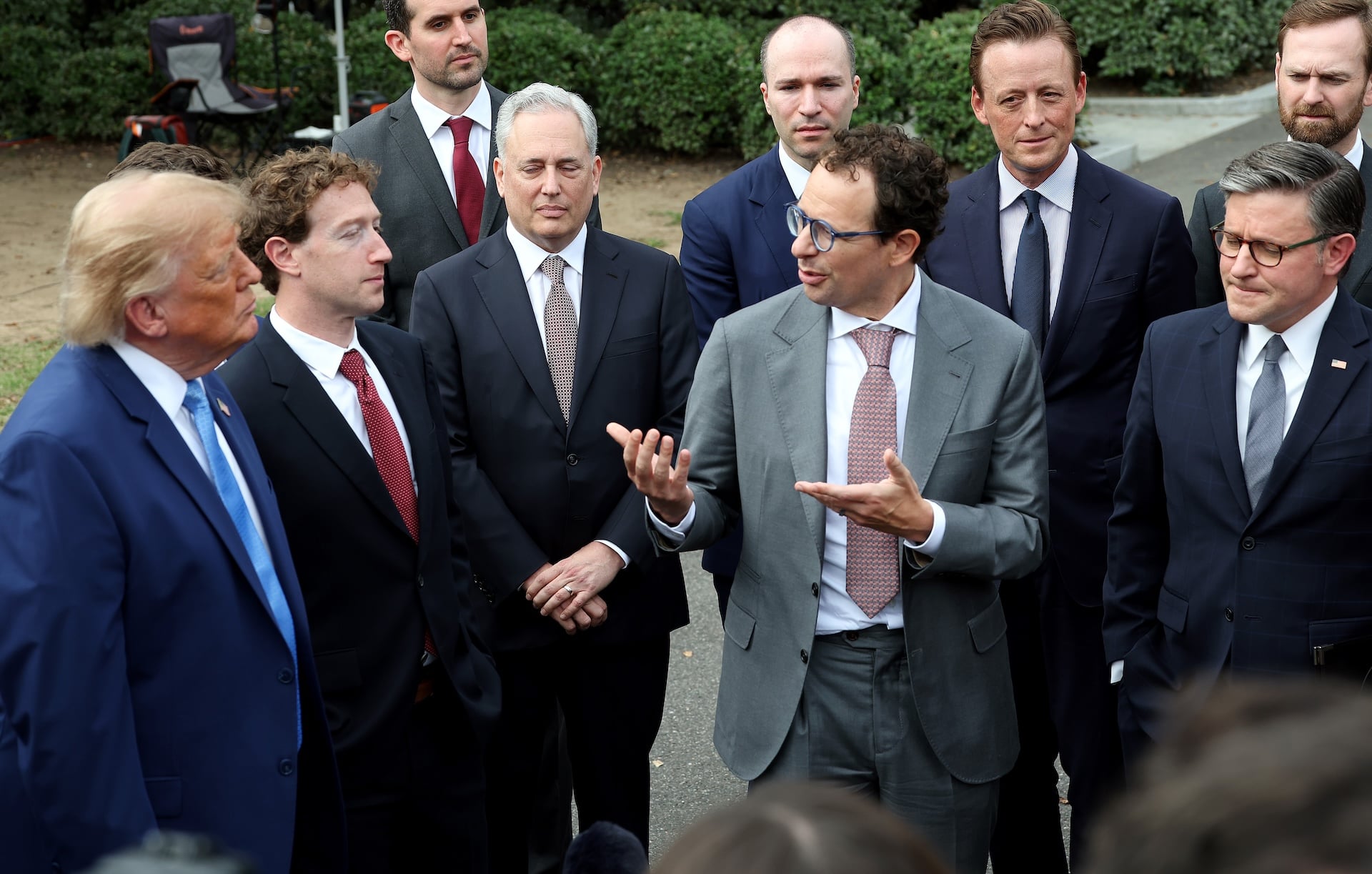
There’s a pattern I’ve seen before. Small gestures build large permissions.
Historically, when a leader starts smiling at a previously criticized CEO, corridors open. You’ve watched it: subpoenas soften, budgets rearrange, access expands. For Amodei that could mean more meetings, more cover from conservative outlets, and a reprieve from the Pentagon’s blacklist.
We should also watch the counterweights: skeptical reporters, watchdogs, and rival tech CEOs. Mark Zuckerberg, Sam Altman, Jensen Huang, Elon Musk—each has their own calculus. Trump’s affection may tilt the balance, but it won’t erase the policy fights waiting in the wings. Power can be a bright lamp; it can also burn fragile reputations.
Is there a payoff for Anthropic?
Possible. Political cover can translate into contracts, eased procurement, or a softer public frame. Yet you should remember that the White House’s smile can flip as fast as a cable chyron. Ken Paxton’s example—someone obedient but judged on appearance—shows loyalty is not enough if the image doesn’t sell.
I’m not arguing Amodei is selling out or that Trump has a master plan. I am saying you should read the dinner and the grin as a signaling move: policy is being photographed and packaged for public consumption. One misstep and the picture loses its gloss; one good clip and the narrative shifts.
Federal Appeals Court Backs Pentagon’s Anthropic Blacklisting
So where does that leave you and me as observers? Watch the next clip, the next dinner photo, the reporters’ questions and how Trump answers them. A president who casts people by appearance can greenlight policy through charisma alone—are we comfortable letting a hairstyle decide national strategy?