
I tore through the last page in a single breath and closed the app with my thumb still buzzing. Around me, people scrolled past coffee orders; I was holding a quiet, furious wonder. That moment—when a manga makes you feel like you’ve been handed a secret—explains why I’m nudging you toward Choujin X.
I’m Sui Ishida’s kind of fan: I loved Tokyo Ghoul, and I judge sequels on whether they learn from the old mistakes. You probably know the gaps—anime censorship, rushed pacing, panels that read like scribbles. I’ll show you why Choujin X repairs that talk and then some, and why Viz’s Shonen Jump release is one of the smartest under-the-radar moves in manga right now.
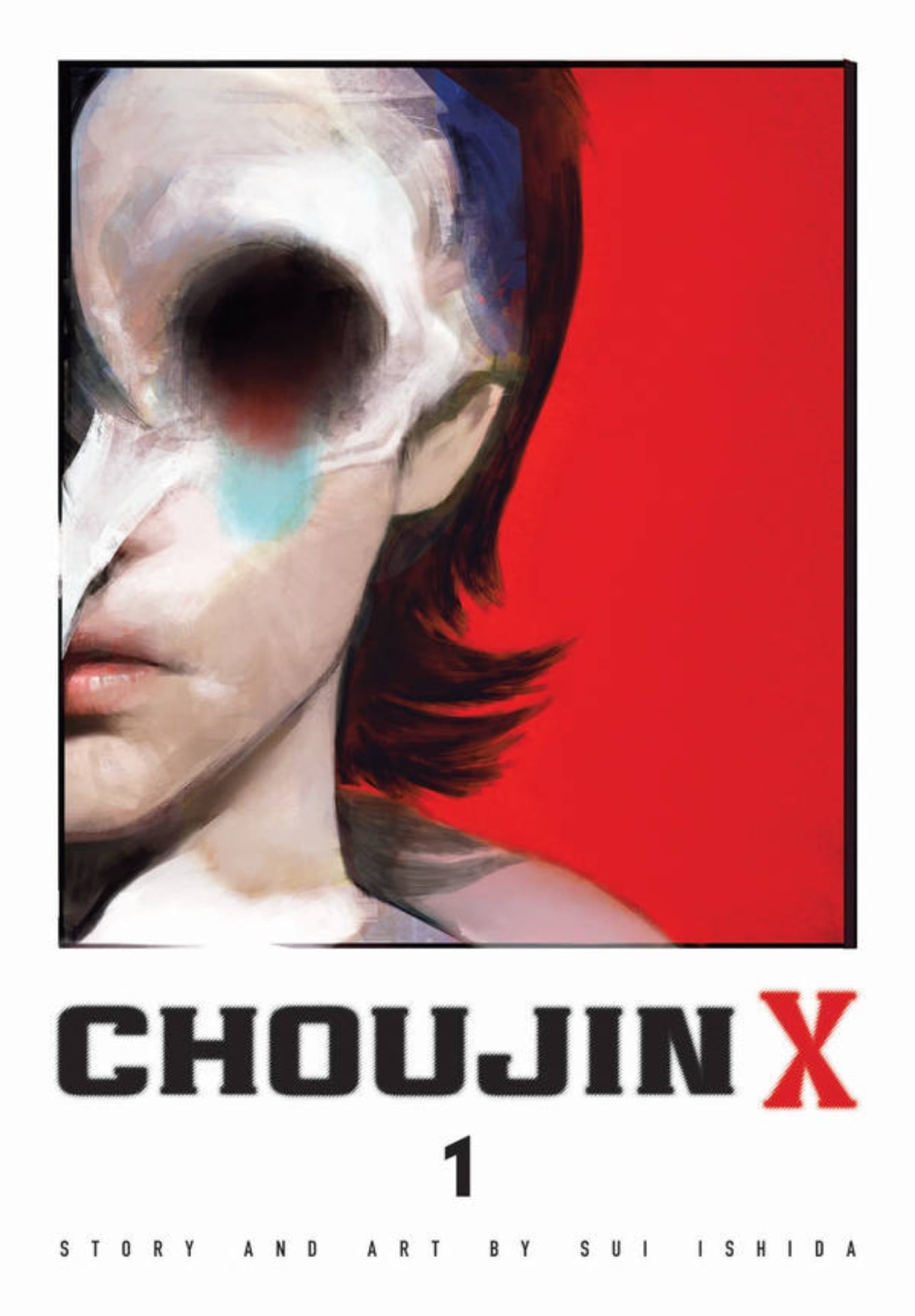
A friend on Reddit posted a single panel that made us argue for an hour—Why Choujin X feels like Tokyo Ghoul’s older sibling
Observation first: people who loved the emotional gut-punch of Tokyo Ghoul are quietly sharing Choujin X panels in threads right now. The resemblance is intentional—mild-mannered lead, monstrous transformations, moral fog—but Ishida has tightened his aim. Where Tokyo Ghoul sometimes fuzzed its art in the heat of action, Choujin X reads as if each panel was calibrated: you can follow the blood, the motion, the intention.
Ishida keeps the horror and the humor in the same hand. Tokio Kurohara is not a classic shonen leader; he’s a follower whose power manifests as a grotesque vulture form. That mismatch creates comedy and empathy, and it reframes violence as something personal rather than mere spectacle. The result is a story that feels less like a franchise repeating its hits and more like an artist cleaning his lenses.
Is Choujin X similar to Tokyo Ghoul?
Short answer: yes, in mood and appetite; no, in execution. Both explore identity, monstrousness, and the cost of power. But Choujin X shifts its beats: emotion powers the abilities here, and the world-building is less about survival horror and more about ideological conflict over a prophecy called Choujin X. If you’re missing Ishida’s body-horror brilliance, this is a direct line to that energy.
I spotted a half-empty train carriage and read three chapters—How pacing and release schedule changed the craft
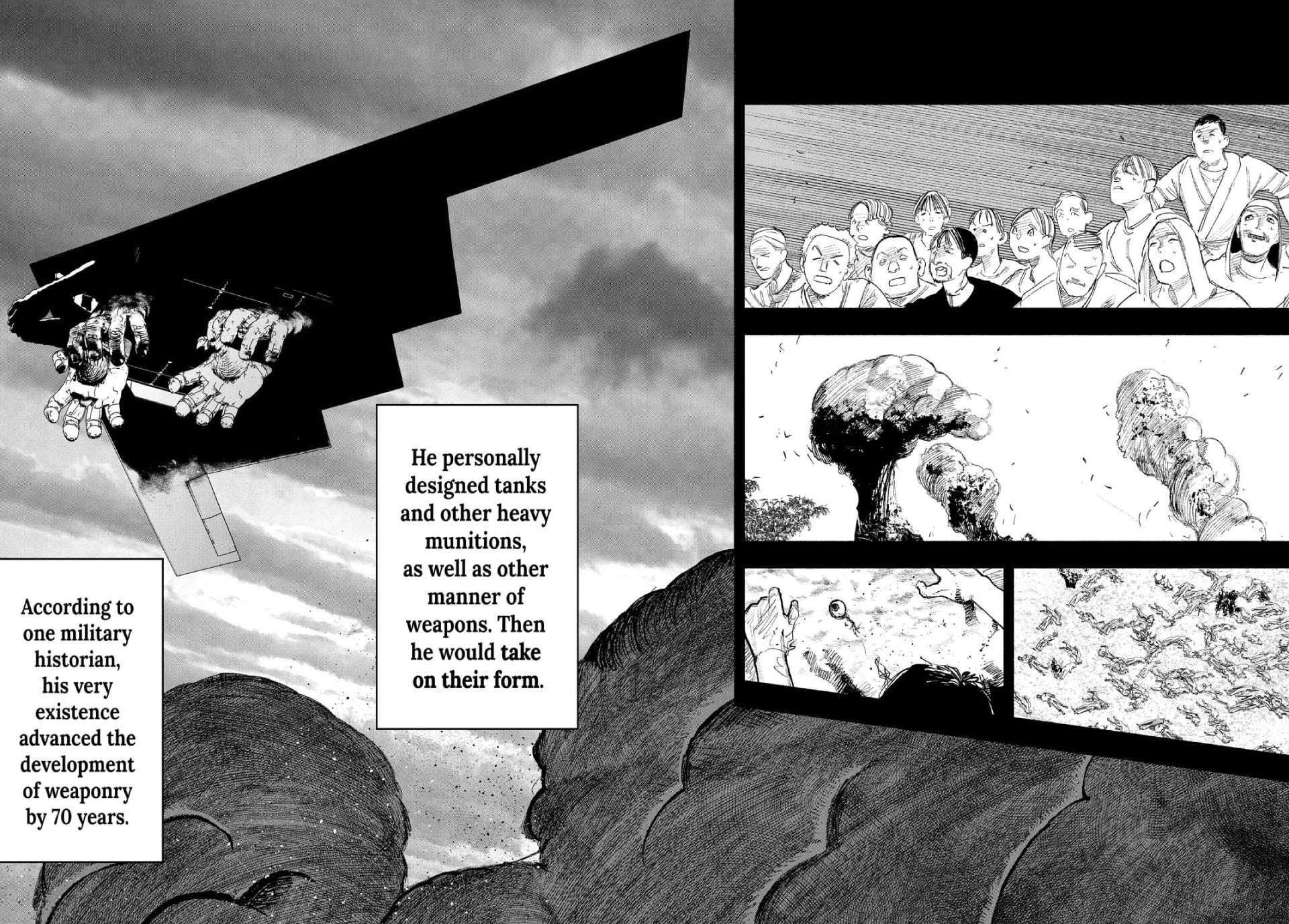
Real-world: serialized manga readers will nod—irregular schedules change everything. Ishida’s slower, irregular drops for Choujin X have been a quiet gift. They give him room to sculpt pages instead of hurrying through gestures.
The art shows it. Panels breathe. Fight choreography reads cleanly. Where Tokyo Ghoul sometimes felt like a frantic rush, this one unfolds with the patience of a surgeon’s hand. That’s one of my metaphors: Ishida’s pages are a surgical microscope—precise, clinical, revealing.
Should I read the manga or wait for an anime?
If you care about the design of individual panels and plot momentum, read the manga on Viz’s Shonen Jump or Viz Media’s official site. Anime adaptations can be transformative—the right studio can polish illegible moments into kinetic clarity—but there’s no confirmed TV studio attached yet. For now, the manga delivers the full experience and the discussion momentum on MyAnimeList, Reddit, and Twitter.
I overheard two editors argue about power systems at a con panel—Why Choujin X’s powers matter
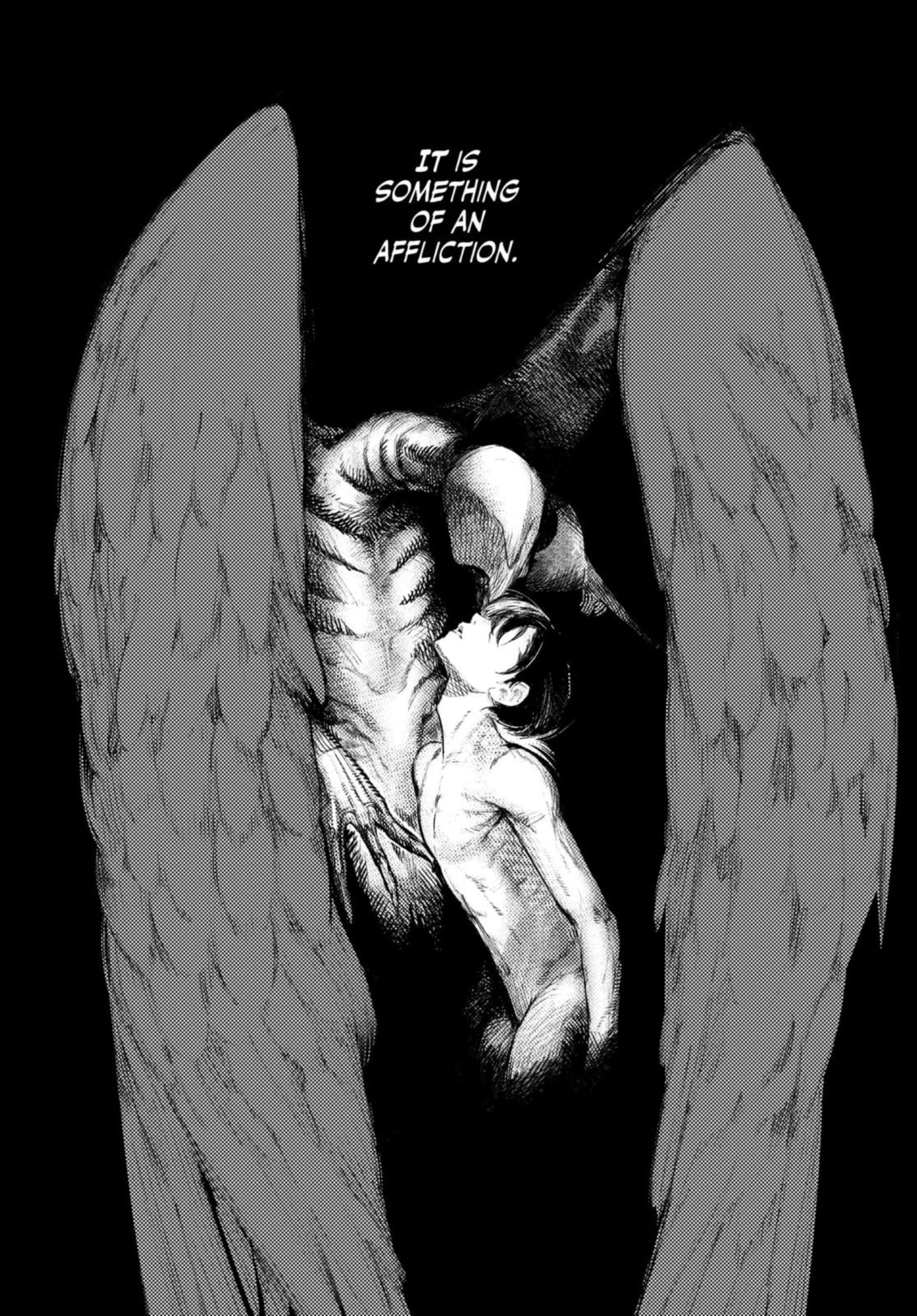
Observation: editors love debating rules, and this series gives them plenty to chew on. Choujins are powered by emotion and personality; abilities reflect inner life. That means fights are also character studies. When powers can be stolen, stakes spike: alliances shift, trust fragments.
The second metaphor: the story is a coiled spring—every revelation tightens the tension until it snaps the dynamics into something new. That structural choice turns what could be textbook shonen into moral chess.
Where can I read Choujin X legally?
Viz Media’s Shonen Jump platform hosts chapters officially in English. For long-term support of Ishida’s craft, use Viz’s site or app; it keeps creators paid and conversations on sane platforms like Movies & TV, Crunchyroll News, and MangaPlus ripple into licensing deals that matter.
There are rough patches: the opening leans on a shonen-style training arc and the series occasionally pauses to explain powers in full pages of narration. If you’re allergic to exposition-heavy scenes, your patience will be tested. But Ishida keeps those moments leaner than peers—he pokes at his ensemble with narration that feels more like a stage whisper than a lecture.
If you loved the emotional gravity and body horror of Tokyo Ghoul, try Choujin X for its tighter art, invented power logic, and the slow-burn that allows Ishida’s ideas to land with force. The manga’s irregular updates mean you’ll have time to savor each chapter and to argue about which faction will claim the title Choujin X.
Want more Movies & TV news? Check out the best movies and TV shows to stream this month and all the upcoming sci-fi, fantasy, and horror books that should be on your radar.
So—are you going to read it and join the small, suspiciously delighted crowd, or are you going to wait and let everyone else decide whether it’s canonically Ishida’s greatest twist?