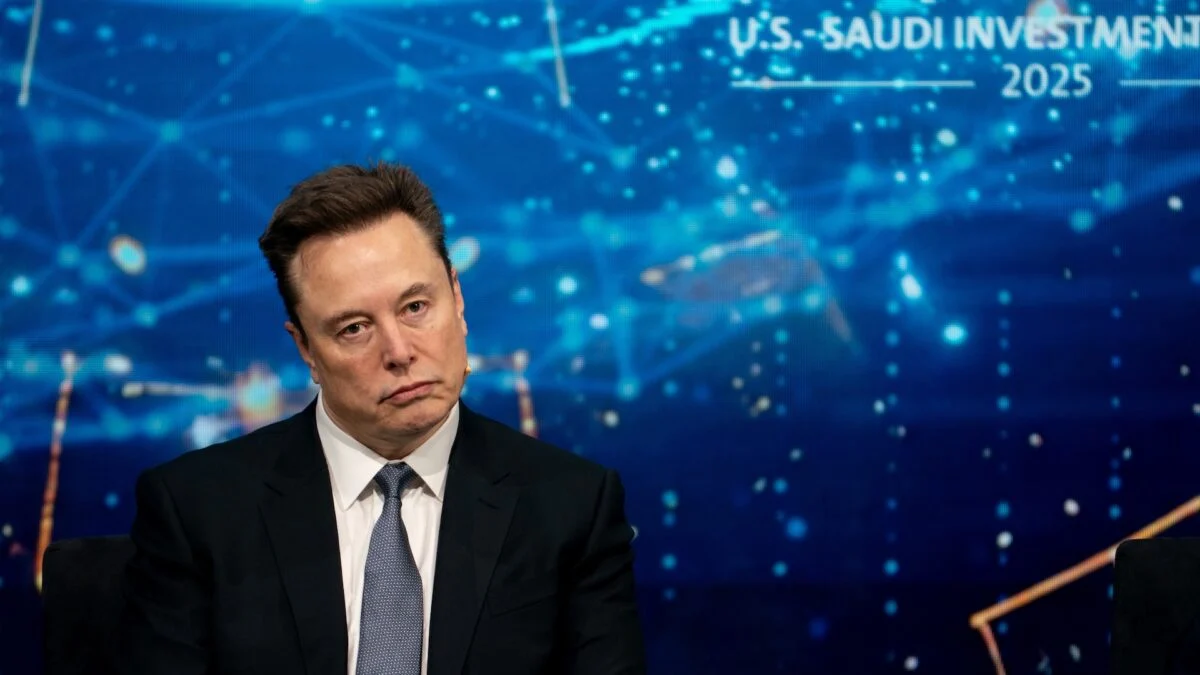
I refreshed Forbes and the thirteen-digit number blinked back at me: he’s a trillionaire again. You feel the odd cocktail of awe and nausea—someone can amass that much cash and still behave like an actor begging for applause. I sat there, thinking how wealth and self-respect appear to be moving in opposite directions.
On my screen, SpaceX stock popped more than 7% after an analyst note; that tick brought Musk’s headline number back. — How it happened, in plain terms
I’ll keep this short: a favorable note from Morgan Stanley’s Adam Jonas calling SpaceX shares “cheap and getting cheaper,” then a Monday rally, and suddenly the 13th digit is restored. Forbes’ Real-Time Billionaires list reflected the swing—$1,000,000,000,000 (about €930,000,000,000)—and the internet celebrated the return of Big Net Worth Boy.
Numbers are easy to chart. The odd part is what the numbers are now buying for public perception: a kind of moral discount. You can own a new planet of influence and still trade dignity for attention.
How did Elon Musk become a trillionaire again?
Short answer: market moves and headlines. SpaceX’s post-IPO valuation and renewed buying interest pushed equity-based wealth estimates up. Analysts’ language matters here—when a large firm brands a stock as “cheap,” algorithms and portfolio managers take notes, and that can ripple into price action. For you: an analyst’s tone can change the headline and the optics overnight.
On X, he posted a surreal AI music clip and called the tech “Super Intelligence.” — What saying a brand-new phrase signals
You saw it: the president issues guidance to call “artificial intelligence” by a new, two-word name, and Musk reposts content that uses it. He even suggested renaming SpaceXAI to SpaceXSI. That’s not neutral marketing; that’s signaling. You don’t have to like the signal to see what he gains—proximity to political favor, and the engagement created by fans and critics alike.
I’ve watched elites trade policy sway for public grovel before, and this feels like a very expensive version of that same trade. It’s as if the richest person in history is bargaining with a rusted key in a gold-plated lock—appearance matters more than function.
What does “Super Intelligence” mean?
It depends who you ask. In AI research, superintelligence—no space, no capitals—refers to systems that exceed human cognitive ability across the board, a fuzzy, speculative target pursued by groups such as Ilya Sutskever’s Safe Superintelligence efforts and certain teams at Meta. The new, presidential phrase “Super Intelligence” functions as political branding: it blurs technical meaning and amplifies rhetorical weight. If everyone starts using it for ordinary models, the technical term loses precision and becomes headline bait.
At a coffee shop, I watched the reposted Grok video play once; I couldn’t finish it. — Why the content is telling
The clip Musk shared—an AI-generated music-video mash-up—reads like a preview of a culture run through a blender. The audio turns “SI” into “Sí,” the lyrics awkwardly perform the brand, and the visuals stitch memory fragments together without context or feeling. It’s not art; it’s a symptom: fans and creators produce free labor to decorate a billionaire’s feed.
Remember the Grok product and X itself: platforms that monetize attention. When Musk amplifies a piece of user-made noise, he’s not endorsing quality so much as multiplying reach. That reach feeds back as influence, applause, and a softened stance from those who hope to reap contracts or favors.
Is Elon Musk aligning with Donald Trump’s terminology and politics?
He appears to be. The public posture—reposting content that uses the president’s preferred phrase and promising to adopt the phrase in company branding—reads like strategic alignment. You can call it pandering or partnership; either way, it’s political theater with commercial implications. As a reminder from reporting colleagues: federal contracts and regulatory decisions matter for companies like SpaceX and Tesla, and political goodwill can be a practical asset.
There’s more: last week brought an ugly, public split with the mother of four of his children, conducted in ways that read like an HR memo because she is also his employee; and there’s an upcoming documentary focusing on his past conduct with women. These narrative beats don’t erase a trillion dollars, but they erode the mystique.
So where does this leave you and me as observers? He’s a financial monolith with the appetite to trade dignity for signals of favor and entertainment. We can admire the rockets and hate the theatre, or vice versa. Which will you choose to care about most?
Grok Imagine https://t.co/YrlzAhZltk
— Elon Musk (@elonmusk) October 5, 2026
I’ve been covering tech and power long enough to know that public posture buys private leverage. But watching a man trade gravitas for applause—while the ledger swells—feels grotesque. Are we witnessing clever strategy or a slow self-sabotage on a global stage?