
The wind howled outside my base while my torch guttered in the blue glow of something I didn’t expect. A frozen spike cracked above me and I felt the world slow—then my boots stuck in powder snow. If you play Minecraft the way I do, you learn fast: some caves don’t want to be friendly.
I’m going to walk you through the Ice Caves so you don’t get audibly surprised three biomes away. You’ll get where they spawn, what to fear, and how to turn a chilly hazard into a reliable resource. Think of this as straight, field-tested advice from someone who’s died to falling icicles more than once.
What Are Ice Caves in Minecraft?
You can hear the fridge motor in your kitchen from the street on a quiet night—the world of cold is unmistakable.
Ice Caves are a new underground biome arriving with the winter-themed content update. Instead of the usual stone, dripstone, and moss palette, these caverns lean on Packed Ice and Calcite, with frequent Diorite and Andesite outcrops. Stone and Deepslate still host ore veins, and you’ll sometimes find a thin dusting of snow on the floors, though no snowfall happens inside.
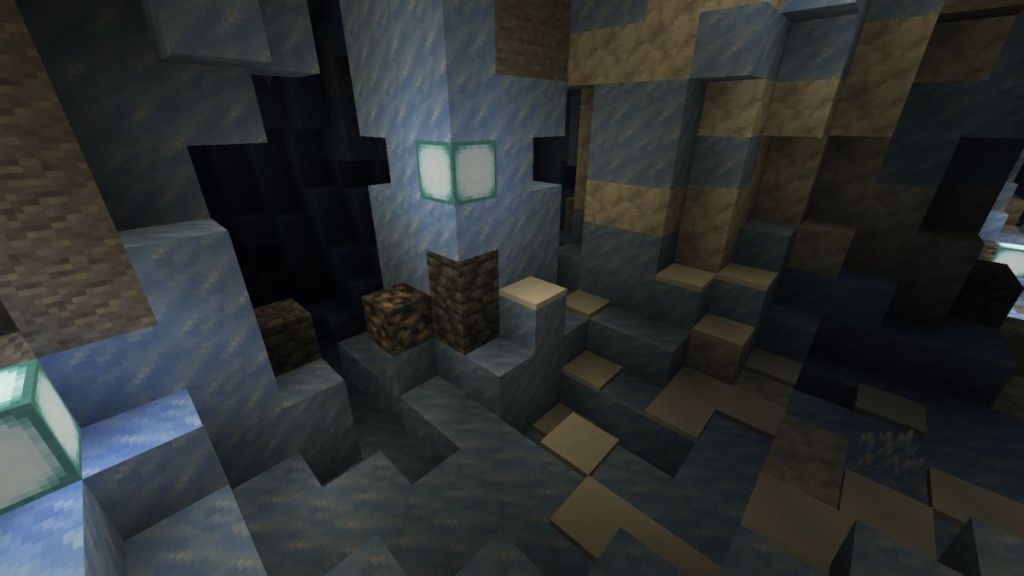
Unsurprisingly, lava can still spawn here, sometimes sitting dangerously close to Packed Ice and slowly eating away at hanging icicles. Two new features define the biome: Ice Crystals, a faintly glowing decorative light source, and a hostile zombie variant called the Frostbite.
Where to Find Ice Caves in Minecraft
When you stand on a wind-swept plain and the horizon is a flat sheet of white, what you see above often tells you what waits below.
If you want to find Ice Caves, start beneath cold Overworld biomes. They most commonly generate directly under:
- Snowy Plains
- Snowy Taigas
- Frozen Oceans (rare)
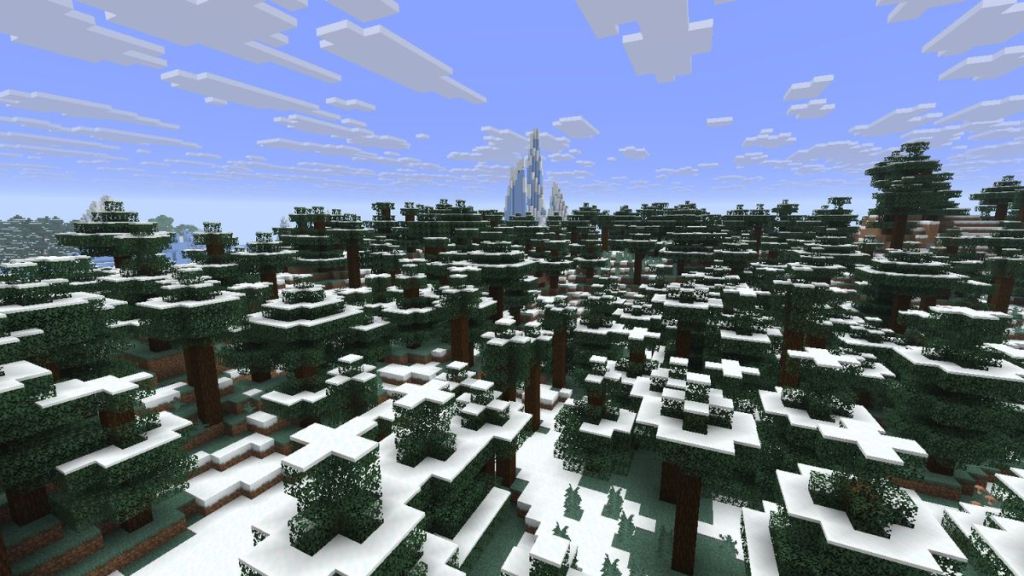
Ice Caves can rarely appear beneath colder but non-frozen biomes. Surface openings and ravine connections happen, but they’re uncommon. If you dig straight below a snow biome you might not hit one immediately; instead, look for blue-packed ice or pale Calcite once you’re underground—those blocks are the giveaway.
How do I find Ice Caves in Minecraft?
Use seed tools and community resources to shave hours off your search. Chunkbase’s biome finder and the Minecraft Wiki map are reliable for both Java Edition and Bedrock differences. If you prefer in-game scouting, follow rivers and ravines under snowy biomes and listen: the glow of Ice Crystals is faint but unmistakable in the dark.
Everything You Can Find in the Minecraft Ice Caves
A single icicle falling onto a puddle makes a sound that sticks in your head—cold environments are loud in small ways.
Ice Caves are more than a color swap. They add new loot and new threats. Below are the features you’ll meet most often.
What are Ice Crystals used for?
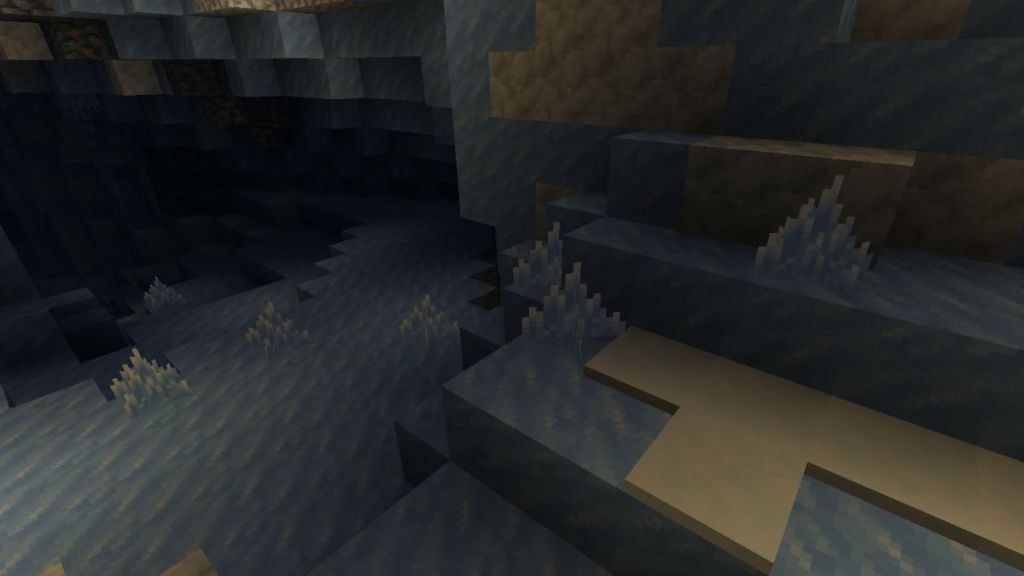
Ice Crystals spawn across the cave floors and emit a soft glow similar to amethyst clusters, which makes them great for atmospheric lighting. You can place them on any face of a block, so they’re immediately useful for builders who want moody, blue lighting that won’t burn the aesthetics of a frost-themed build. I treat them like a low-level light source and a style accent—subtle, but it changes a room’s feel like a lighthouse in a blizzard.
How do I deal with Frostbite Zombies?
Frostbites are a new zombie variant with pale blue skin and a taste for slowing you down. They have two attacks: melee hits that apply a Freezing effect (slowing movement and doing damage), and thrown Ice Balls when spawned holding one, which cause knockback.
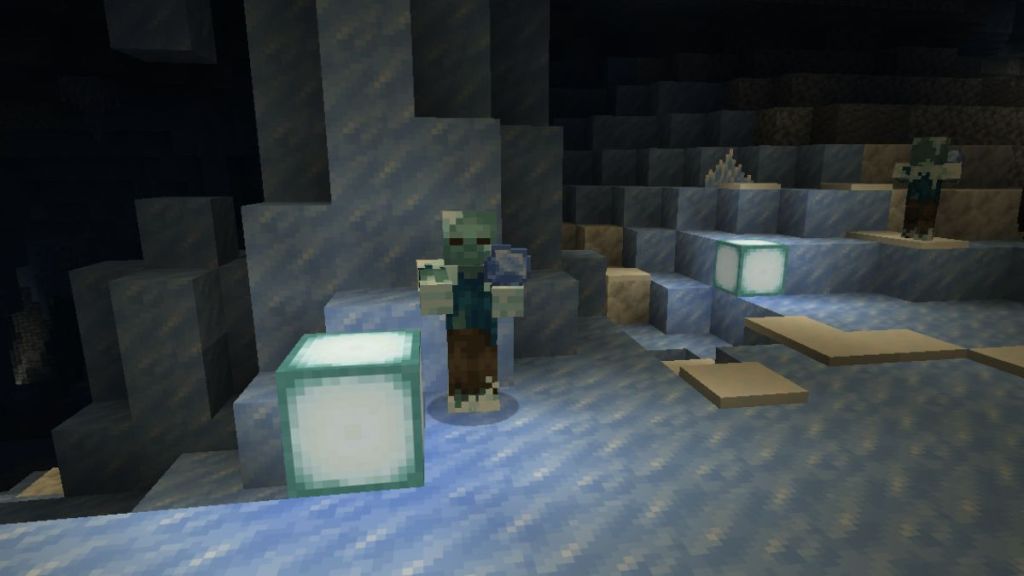
Quick tactics: wear full leather to resist Powder Snow slowing, carry a shield for the thrown projectiles, and stagger fights so you don’t get boxed into a cluster of Frostbites. If you bait one into open space and use ranged damage, you remove the freezing risk before it gets close.
Are Icicles actually dangerous?
Yes. Icicles form from ceilings and can extend several blocks. They fall and deal blunt damage and will break when exposed to strong light sources—so your usual torch-forward method can make them drop on you. Treat them as environmental traps: move slowly under ceilings, use angled placements of light rather than full bright sources, and remove long spikes from above before attempting to mine a vein.
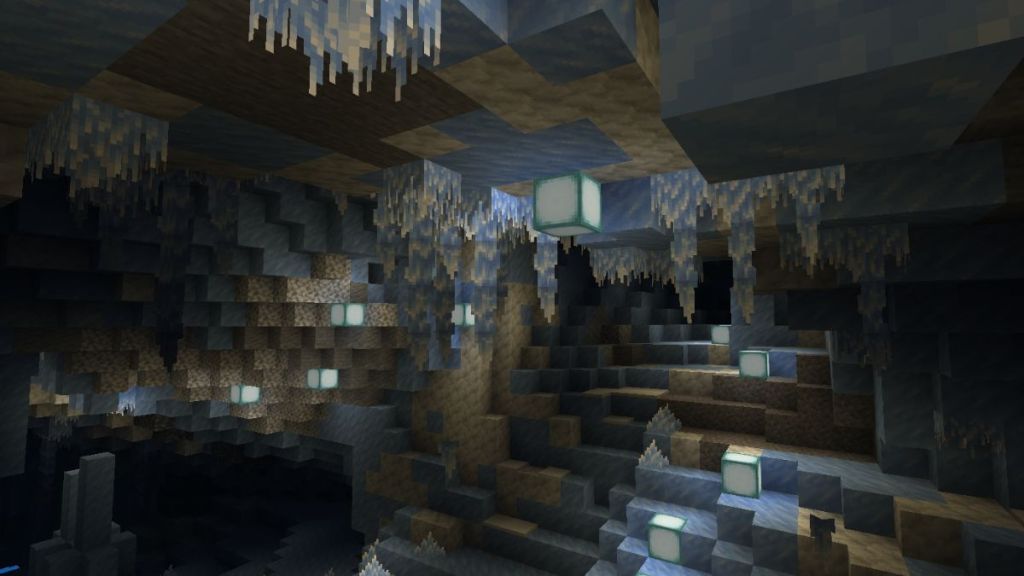
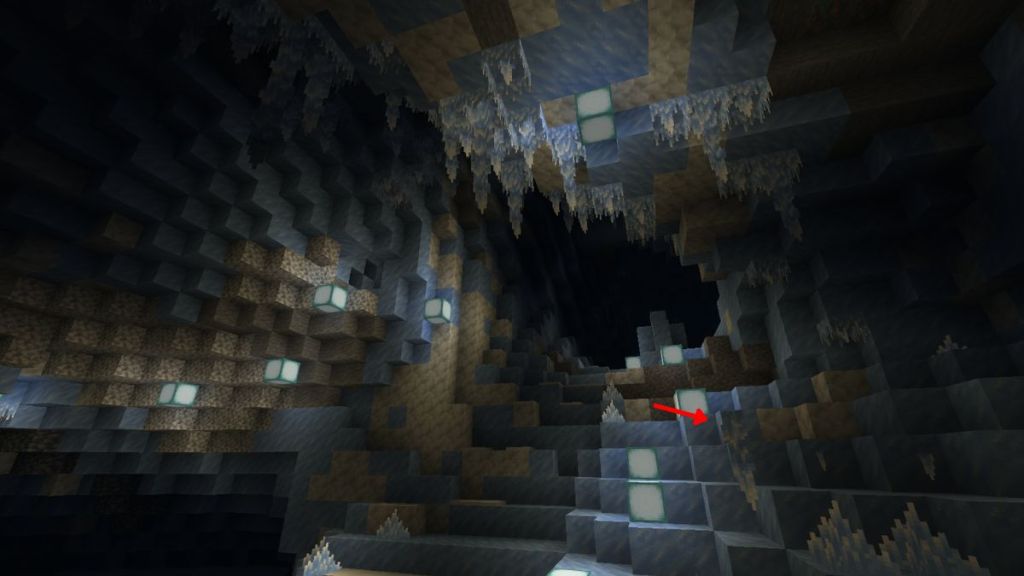
When a ceiling spike shatters, the cascade looks fragile and deliberate—like a fragile hourglass—but it hits like any other falling trap in Minecraft. Clear ceilings from a distance with arrows or create a narrow tunnel to force icicles to fall harmlessly away from you.
Other Mobs and Practical Tips
On a cold afternoon, the clink of metal on metal tells you someone’s mining nearby—mobs give the same audio clues underground.
Beyond Frostbites, Ice Caves host the usual cave threats: Zombies, Skeletons, Strays, Creepers, Spiders, Endermen, Witches, Zombie Villagers, and Slimes. Aquifers can spawn Glow Squids and Drowned, and bats are the usual nuisance. Gear up with solid armor, a reliable sword or bow, plenty of food, and consider bringing Powder Snow boots (leather) if you plan to explore extensively.
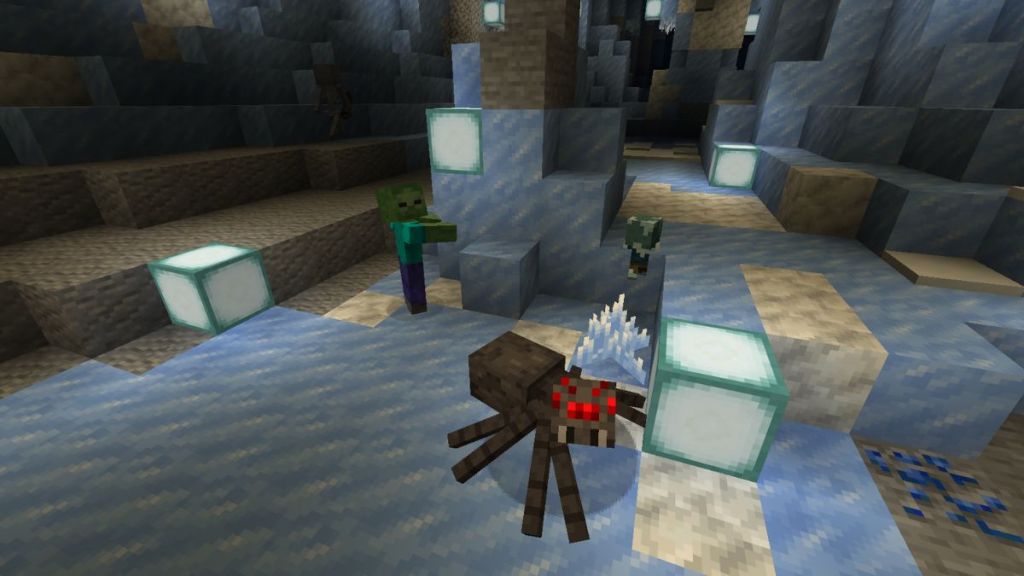
If you want to plan before you go, use Chunkbase, consult the Minecraft Wiki, and watch footage from creators who test updates on both Java Edition and Bedrock—differences do exist between editions. Ready your tools, stack torches just outside risky ceilings, and decide whether you want to farm Ice Crystals or treat them as rare decoration.
So, are you going to risk a full iron set to harvest every crystal and name a cave after yourself?