
I rewound the opening credit and felt something strange: I was embarrassed. The creatures that once sent me under blankets now roll across the screen like anxious puppies—more amusing than menacing. That realization landed harder than any jump scare.
I’ve watched enough cult movies to know where the credit belongs: affectionate, messy, and proud of its shortcuts. You and I can be honest—Critters is not the apex of horror craft. It is, however, a compact artifact of 1986: clever, a little sloppy, and shamelessly stitched from the decade’s genre highlights.
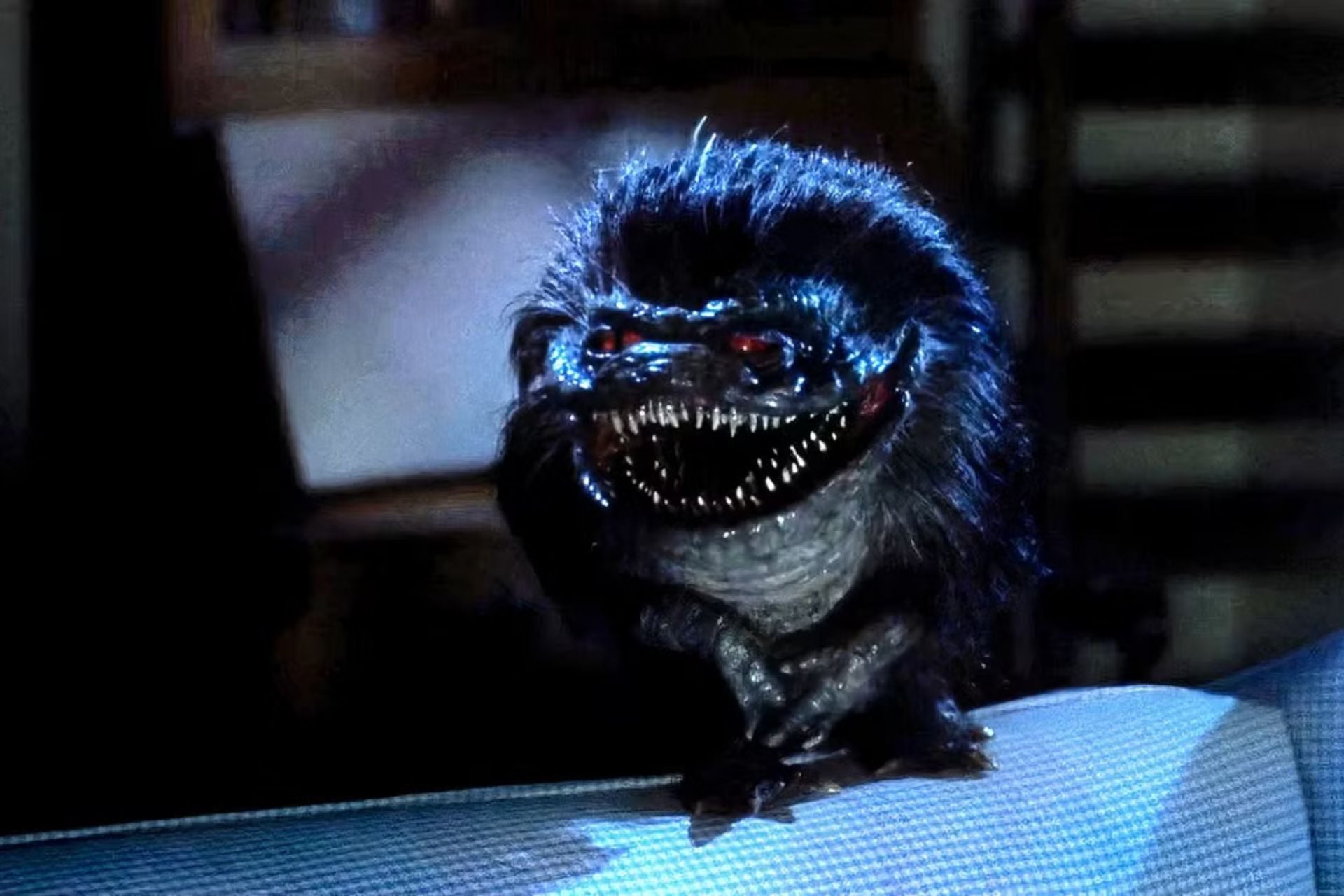
At a garage-sale VHS pile, the cover art screams 1986 — Why Critters feels like a mixtape of 1980s genre hits
Walk into any collector’s box and you’ll spot the pattern: studios recycling winning motifs. Stephen Herek’s film borrows the mischievous appetite of Gremlins, the suburban family beats of E.T., and the POV menace of Halloween. It’s a patchwork that reads less like theft and more like homage—an affectionate mosaic built to entertain.
The production leans on familiar touchpoints: Dee Wallace as the mother taps into that protective, everyperson energy viewers recognized from other 1980s family-horror hybrids; M. Emmet Walsh plays the lawman who can’t get traction; and Scott Grimes injects scrappy, kid-hero momentum when the plot needs a jolt. New Line Cinema greenlit something that knew its audience and gave it bite—literally.
What is the movie Critters about?
Two lines: escaped space prisoners arrive in rural Kansas and proceed to eat, maim, and wreak comedic havoc. The setup teases a broader cosmic backstory—the prison asteroid, bounty hunters, and hints at a species mythology—but the film spends most of its runtime in familiar midwestern locations, letting domestic dynamics carry the narrative weight.
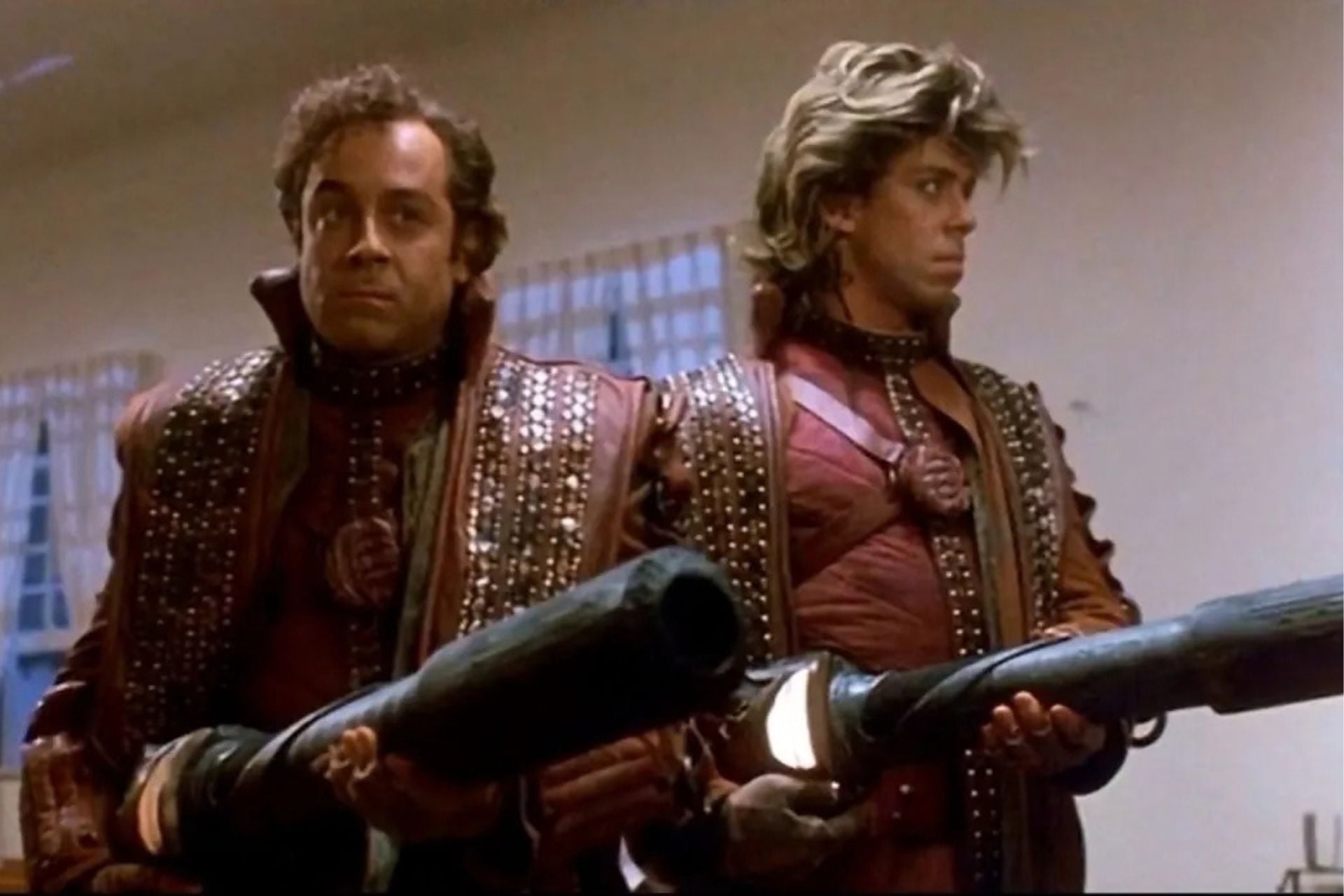
At my kitchen table I admitted something—I was embarrassed that I once found this genuinely scary
I can still feel the childish certainty: this film was terrifying. But when I rewatched it, the fear didn’t hold. You remember details wrong—like that phantom toilet bite I was certain of—and those faulty memories tell you as much about growing up as the movie does about scares.
There’s a small, useful lesson in that: nostalgia amplifies threat. The Critters move fast and have voracious teeth, but they’re written and shot to be dispatched by a family shotgun and some kid ingenuity. Their menace reads as manageable when you stop treating childhood terror as evidence of adult taste.
Was Critters scary?
Not really, unless you were four and especially prone to small-creature phobias. The film calibrates toward thrills and comic shocks rather than sustained dread. Practical effects give texture and gore—likely what earned sequels and a cult following—but the creatures themselves are choreographed to provoke laughs as often as screams.
On streaming menus I checked availability—Where to watch and why accessibility keeps the film alive
Open a streaming app and availability changes the cultural afterlife of a movie. Critters remains easy to find: it’s free on Hoopla and Tubi, and rentable across major digital storefronts. If you pay to rent it, expect typical platform pricing (for example, $3.99 (€3.65) to rent on some services).
Accessibility matters because it lets new viewers test whether the nostalgia is justified or inflated. For film students and genre fans, the movie reads as a case study: low budget practical effects, a director (Stephen Herek) on the cusp of mainstream hits like Bill & Ted’s Excellent Adventure, and a studio (New Line Cinema) willing to spawn sequels when a modest gamble pays off.
Where can I watch Critters?
Check Hoopla and Tubi for free viewing; otherwise search major digital sellers for rent or purchase. Platforms like Apple TV, Amazon Prime Video, and Google Play typically carry it as a paid option and will show local pricing at checkout.
At a late-night comment thread people defend childhood fears—So what does this film actually mean today?
When I press people who loved Critters as kids, they describe ritual: watching with friends, daring each other to stay in the room, collecting the best one-liners. That communal memory explains why the film persists: it’s social glue.
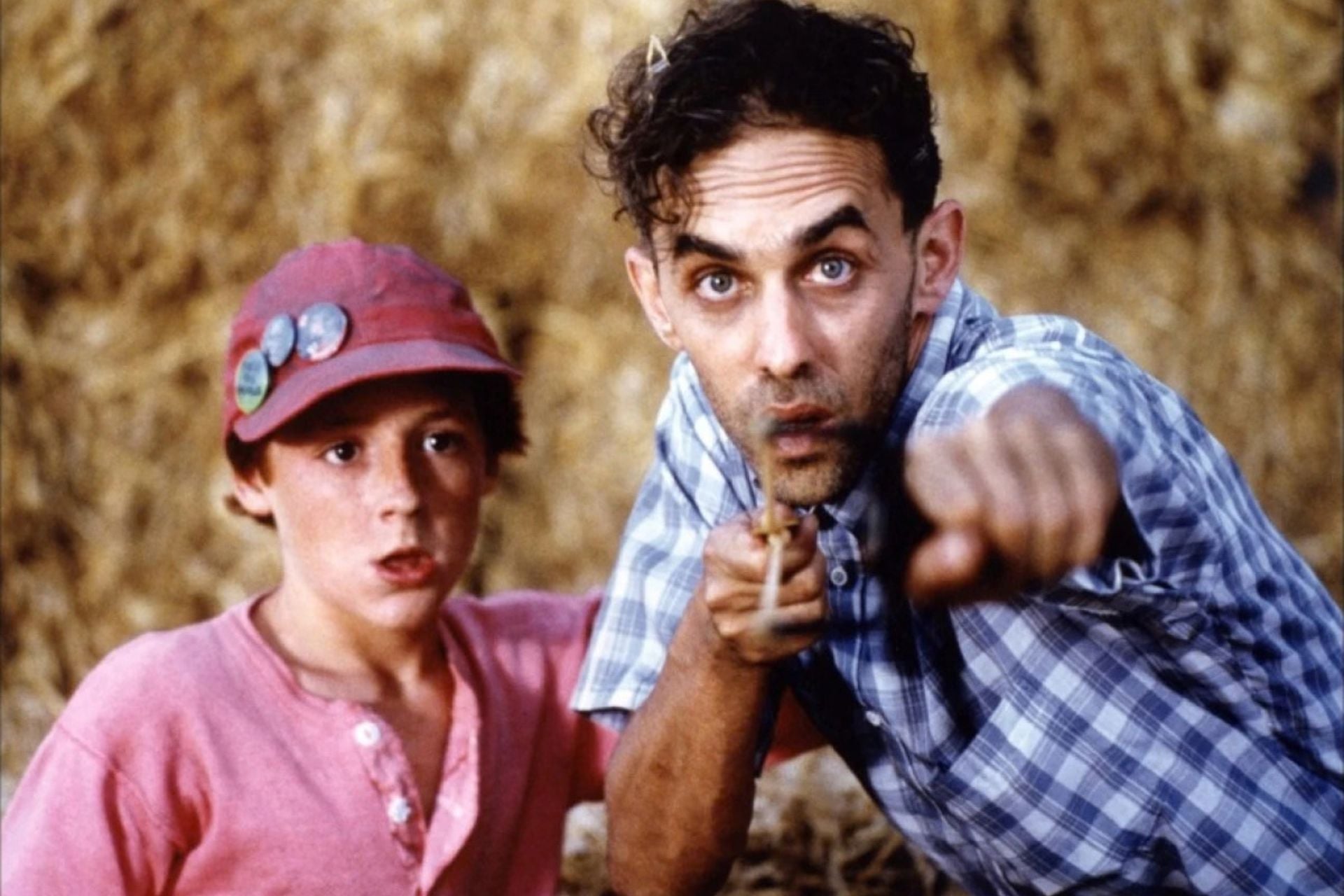
It’s useful, too: the movie models how genre films borrow, remix, and sell familiarity. Dee Wallace and Scott Grimes anchor the family thread; Don Keith Opper’s Charlie offers a forgotten comic pawn; Lin Shaye and M. Emmet Walsh provide recognized faces so the audience can focus on the creature work. The result is a movie that functions like an old family photo album—worn around the edges, sentimental, and telling a story more about who watched it than what’s on the screen.
If you want a short, serviceable example of 1980s creature cinema that trades sustained terror for kinetic fun and DIY effects, Critters fits the bill. You might not sleep differently, but you’ll remember why practical effects used to feel like magic—do you still think childhood scares deserve adult sympathy?