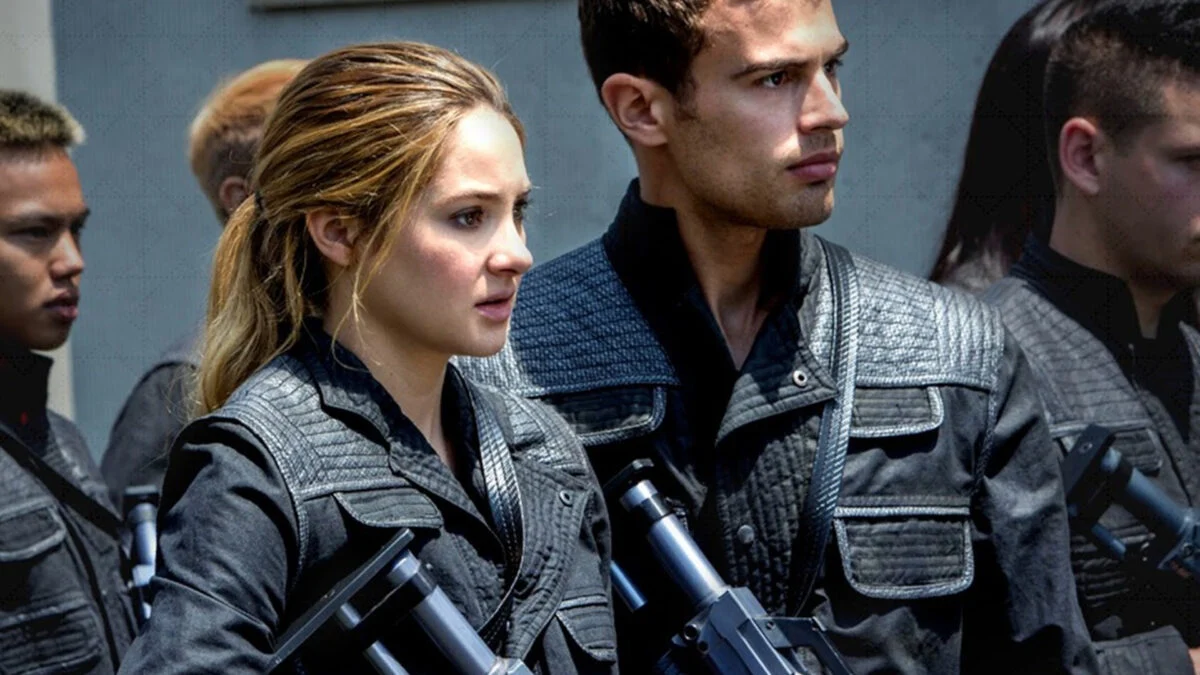
The last sound stage was dark and someone had left a chair pushed back as if an actor might return. I walked past a stack of scripts that never made it to camera and felt the small grief of endings left undone. You know that moment when a story you loved refuses to land—this is one of those.
I’m Veronica Roth’s critic and advocate at once, and I’ve watched how a single creative choice can split a fandom. You read her new The Sixth Faction as an alternate take on Divergent, and you may have wondered what really happened when the movies stopped.
On studio lot maps, entire projects are sometimes stamped “on hold.” Lionsgate’s pull stopped the trilogy from closing on screen.
The 2016 release of Allegiant underperformed and the studio moved away from finishing Ascendant. I read Roth’s comments to the Hollywood Reporter—she said the cast “moved on” and attempts to rework the end never reached production. For fans who followed the films, that felt like a backstage door being shut; for the franchise, it was a financial and creative pause that the industry still talks about.
Why was the Ascendant movie cancelled?
Because the cast declined to return and Lionsgate reevaluated the risk, the project stalled. Studios like Lionsgate measure talent availability, projected box office, and streaming prospects—when those factors shift, a planned finale can vanish. You can trace similar decisions across franchises where sequels become questions rather than guarantees.
At conventions, fans still argue about whether an ending should change. Roth says she refused to rewrite her younger choices.
Roth admitted she didn’t know what Lionsgate would have done with Tris’ final fate on screen, but she defended the book’s decision to kill the protagonist. She told the Hollywood Reporter that changing that ending would have felt like betraying her younger self. I hear that defensiveness as an author protecting a memory; you can feel the loyalty she carries to the story she wrote.
Did Tris die in the Divergent books or movies?
In the books, Tris dies. On screen, that beat never got a filmed conclusion because the films stopped. That split—between textual closure and cinematic absence—still fuels debates about grief, audience readiness, and whether YA endings should spare readers.
On streaming schedules and festival lineups, YA dystopia has returned in fits and starts. Roth thinks her new AU duology might help revive that interest.
Roth released The Sixth Faction and has a second AU book, The Last Testimony, due in February 2027. She’s candid: she isn’t promising a full return to Divergent, and adaptation offers are welcome but not the focus. You should know she framed the original ending as a moment of personal honesty—an artist refusing to erase a chapter of her own history.
Her stance is a shuttered window on compromise and a scar in the fanbase that will always carry the original split—those are the two images that linger. You might want a TV rewrite or a streaming reboot on platforms like Netflix, Amazon, or Hulu, but Roth is comfortable if the books simply bring readers back to YA dystopia the way Hunger Games did for a generation.
Want more io9 news? Check out the best movies and TV shows to stream this month and all the upcoming sci-fi, fantasy, and horror books that should be on your radar.
I’ll say this plainly: sometimes an author’s unwillingness to change an ending protects the honesty of the original work, and sometimes it keeps conversations alive. If you prefer a rewrite, is that preference a demand for comfort or a hunger for a different truth?