
I saw the announcement thread blow up at 2 a.m., two regional accounts dropping a poster and a rumor that felt like a match lit under a dry forest. Players were already arguing before the skins existed — not about gameplay, but about aesthetics, AI, and whether a mainstream FPS should flirt with mature action-game style. You can feel the split forming; you’ll see it in the replies.
I’m going to walk you through what’s happening, why you should care, and where the friction will likely land.

One Korean announcement on X kicked off a worldwide argument.
The news came first from Stellar Blade channels and from the Korean Overwatch account. That timing matters: when Shift Up and OverwatchKR post, regional launch questions follow faster than official localization statements.
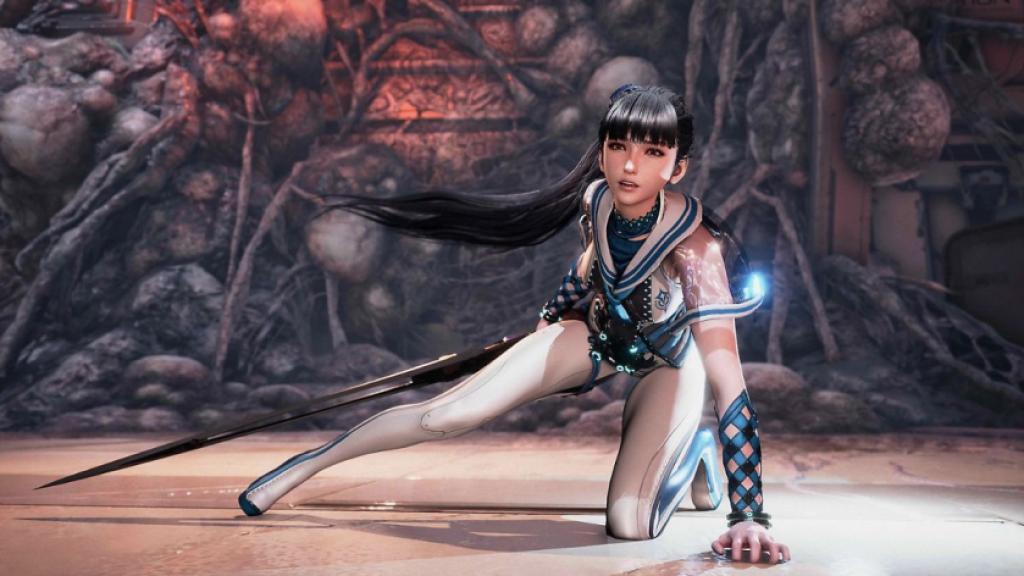
The collaboration, titled “Eve Protocol,” appears to graft Stellar Blade aesthetics onto existing Overwatch heroes rather than import characters wholesale. That’s the model Blizzard has used before with collabs: skins that echo an IP, not carbon copies.
Will the Stellar Blade skins come to global Overwatch?
Short answer: probably — but not immediately. Both posts were Korea-focused, and Blizzard often tests regional drops before global rollouts. You should expect a staggered release window rather than an instant worldwide drop.
If Blizzard follows past playbooks, expect custom cosmetic tiers and event timers tied to the collab. A Legendary-style skin typically sells for about $15 (€14) or is bundled into event passes and loot grids; pricing and exact availability usually appear closer to the reveal.
A single AI music video turned curious fans into vocal critics.
Shift Up’s CEO Kim Hyung Tae posted an AI-generated music video for the series’ protagonist, Evie, and a slice of the Western audience latched onto that clip as proof of “AI slop.”
That phrase, tossed around on X, signals more than dislike — it reflects a broader cultural split. In Korea, AI-created promotional material is more commonly accepted; in Western corners, fans are suspicious of what AI means for craft and employment.
Why are players calling it “AI slop”?
People point to the Evie music video and to a larger fear: that AI will cheapen character work. Kim defended the video, and Shift Up framed it as promotional experimentation. You can see both sides: some call it creative shorthand, others call it a shortcut that erodes artistic labor.
That debate will shape how the collab is read. If the skins look polished, many skeptics will relent. If they feel rushed or oddly proportioned, the “AI slop” criticism will stick and amplify.
A past collab left a sour aftertaste and set expectations for controversy.
Fans still remember the NieR:Automata crossover, and how character translation sparked complaints about fit and sexualization.
That memory colors reactions to Stellar Blade. Comments like “Assless Eve in Overwatch” and “has OW already turned into an 18+ game?” show the clearest fault lines: aesthetics vs. community standards, and fidelity to source material vs. Blizzard’s own art direction.
Collabs are never neutral. They’re a negotiation between two IPs and millions of players — a negotiation that can feel like a cracked mirror for fans who care deeply about accuracy and tone.
Which heroes will get the skins?
There’s no official roster yet. Historically, Blizzard assigns skins to heroes whose silhouettes and gameplay can carry the IP’s look without breaking readability in matches. Expect characters with sleek mobility or swordplay—think Genji or Kiriko—to be early candidates, but that’s community speculation until Blizzard confirms.
Fans will fight about allocations: who gets a main-stage skin, who gets a palette swap. That’s the small drama that keeps social feeds active and the conversation profitable.
For you, the practical question is whether these skins change the game or the store experience. They rarely alter balance. They do, however, feed cosmetic economies and spark debates that drive engagement — which is exactly what successful collabs aim for.
Think of this as a pressure cooker: a regional reveal, a contested promotional tactic, and a community with long memories — all set to hiss until Blizzard opens the lid. Which side will you take when the skins drop?