
I hit the checkpoint, fought a boss and died in five seconds. The fight shifted mid-combo and I realized the setting I picked had just rewritten the rules. You can either grin and learn—or rage-quit and wonder why you ever bothered.
I’ve played through Phantom Blade Zero on every setting so you don’t have to guess. I’ll tell you what each mode does to combat, who it’s for, and how the game changes when difficulty stops being a number and starts being a personality.
On Steam threads someone always asks which mode to pick — All Phantom Blade Zero Difficulty Modes
Phantom Blade Zero gives you four distinct ways to play. They’re short, decisive choices that shape every encounter.
- Wayfarer: The friendliest setting. Enemies are less aggressive and recover more slowly from hits; stance breaks come easier and execution windows widen. Use this if you want the story and movement without the sting of repeated punishment.
- Pathbreaker: The baseline the developers tuned for their intended experience. Expect the standard enemy behavior, a fair rhythm to parries and counters, and a steady learning curve. If you’ve handled action RPGs before, this is where I tell most players to start.
- Hellwalker: Appears after you finish the main run and start New Game+. Bosses gain extra skills and attack permutations; fights feel less predictable. This is the mode where patterns blur and you have to adapt on the fly.
- 66 Days: The hardcore variant for veterans. You’re limited to 66 deaths across the playthrough; exceed that and the run ends. It keeps the Hellwalker kit but puts a hard cap on mistakes—an unforgiving pressure that rewards near-perfect play. Think of it as a coiled spring ready to snap when you slip.
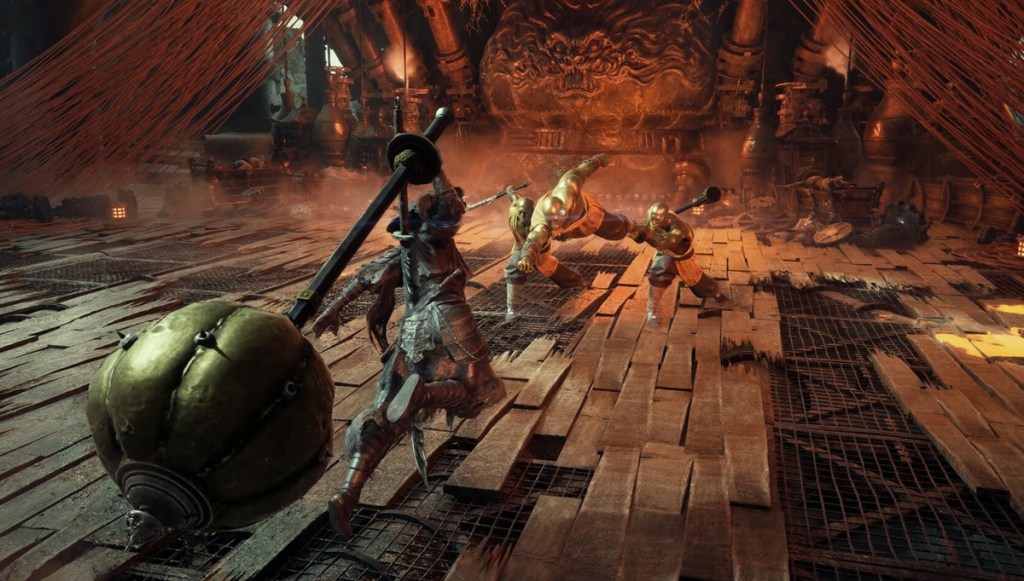
If you’re buying on Steam, the current price sits around $29.99 (€28) and the PC experience is the same build found on major platforms like Epic Games Store. System performance matters: difficulty won’t help if frame drops steal your timings.
When streamers flip the difficulty, chat blows up — How hard is Phantom Blade Zero?
Phantom Blade Zero is not a mercy machine, but it isn’t a gatekeeper either. The range of modes lets you choose whether combat punishes mistakes gently or turns each fight into a test of prediction and timing.
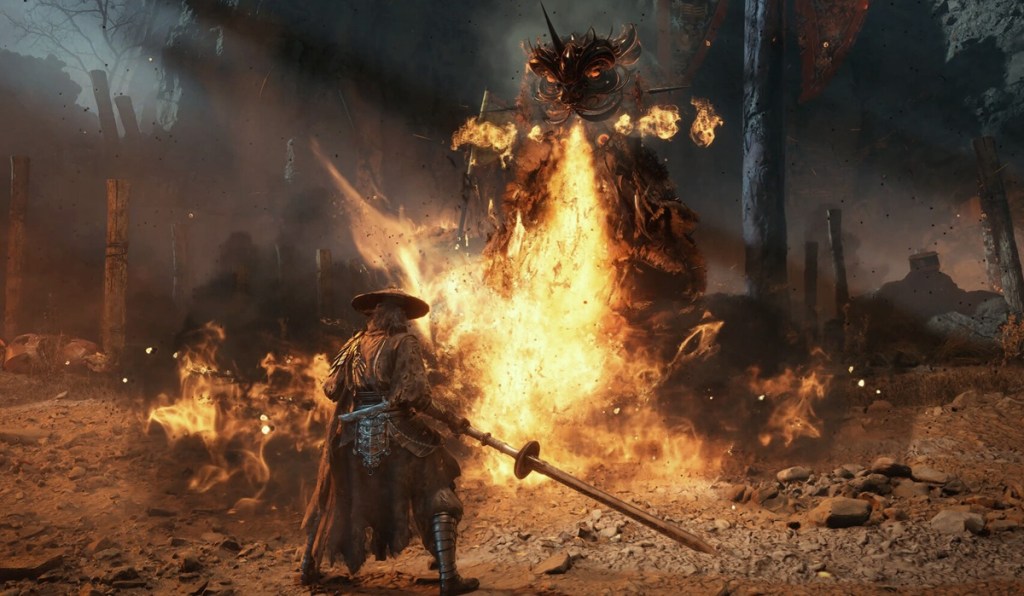
The real design choice worth noting: higher difficulties rarely just bulk up enemy HP. Bosses learn new moves, gain extra attack chains, and the AI adjusts behavior based on how often you dodge or miss. That means fights can feel like a stage with shifting lights; one run you read an enemy easily, the next run their rhythm is different and you must change yours.
Is Phantom Blade Zero hard?
It depends on the mode you pick. Wayfarer is forgiving and lets you explore combat systems without constant death loops. Pathbreaker aligns with what the developers intended—challenging but fair. Hellwalker and 66 Days are for players who enjoy fights that punish hesitation and reward pattern reading.
How does 66 Days mode work?
66 Days gives you a single numeric limit: 66 deaths before your run ends. It keeps the tougher Hellwalker behaviors but adds meta-pressure across the entire playthrough. That pressure changes decision-making: you play more conservatively, value checkpoints differently, and sometimes skip optional fights to preserve your count.
I compare it to FromSoftware’s modes only because both rely on pattern mastery and strict timing, but Phantom Blade Zero uses that same DNA to let you choose how much pain you want in each hour of play.
If you want to prepare before a run, use community tools like the Steam forums, Twitch streams, or S-Game’s own patch notes to study boss changes and new AI quirks. That reading will shrink the surprise factor and make higher modes feel earned.
Which mode will you pick next—comfort, measured challenge, or total pressure?