
I watched the clip on a rainy Tuesday and my Slack filled with screenshots within minutes. You probably saw the same short video: Sam Altman saying your PC’s idle RAM would be better in a data center. The room went quiet—then angry.
My Discord filled with screenshots — what Sam Altman actually said
I’m not here to repost the clip from Cheeky Pint on YouTube; I watched it so you didn’t have to. Sam Altman told Tom’s Hardware and anyone streaming that stacks of DRAM sitting in household PCs, often idle, are “quite terrible” for global allocation. He argued data centers get far more use from those modules than a gaming rig idling at 5 percent memory usage.
I get the math: shared infrastructure can raise utilization percentages. But I also hear the implied plan—move memory from desktops into centralized farms where companies like OpenAI and other cloud providers run models like ChatGPT on GPUs from NVIDIA and memory from suppliers such as Samsung and Micron.
Why does OpenAI want more RAM?
Because modern large language models and inference stacks are memory hungry. DRAM holds weights, caches, and intermediate tensors; when you scale to thousands of users, every gigabyte adds up. Altman’s point: if your stick of RAM sits half-empty, a data center could slice it across many jobs and raise overall efficiency.
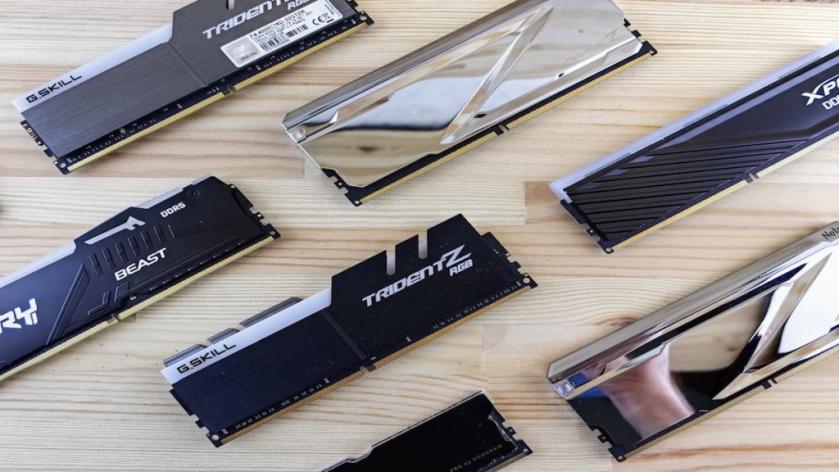
Retail shelves are emptier than last year — who is buying all the DRAM?
Walk into a PC parts aisle and you’ll notice fewer boxes; online stock pages flash “out of stock” more often. The shortage isn’t a mystery: cloud providers, hyperscalers, GPU makers, and AI startups have been locking down wafers and modules to feed sprawling data centers. OpenAI’s purchases of undiced wafers and capacity plays a role in that pressure.
The dynamic looks like a vacuum cleaner in a hoarding house: one big suction point pulls most of the available kit while smaller owners get crumbs. Suppliers are juggling orders from enterprise buyers, console makers, and the consumer market, and the balance is tilting toward large contracts that promise scale and long-term revenue.
Will AI buy all the RAM?
Not literally, but market behavior can feel that way. When several big buyers coordinate purchases, spot inventory dries up. Vendors prioritize profitable, predictable contracts from cloud players and chipmakers; that leaves gamers and DIY builders waiting for restocks.
Task Manager shows 5% usage — should you be worried?
You open Task Manager and see low RAM usage while gaming or browsing; that’s the common sight Altman referenced. He says the cloud gets “maximum utilization.” I hear a persuasive operational argument—yet it skips the human reasons we keep local memory.
Your desktop holds privacy, responsiveness, and control. Offline editors, local machine learning inference (tiny models), and high-refresh competitive gaming rely on predictability. Handing memory and workflows to data centers trades some latency and sovereignty for efficiency—and not everyone wants that trade.
Think of the flow of resources as a river being funneled into a single canal: the canal serves cities efficiently, but the tributaries that used to water farms might run dry.
Should I upgrade my PC RAM or rely on the cloud?
If you game, stream, or work with large local projects, upgrade the RAM you need and keep control of your environment. If you’re running occasional heavy ML experiments and can tolerate latency and costs on cloud platforms like AWS, Azure, or Google Cloud, offloading makes sense. Consider a hybrid posture: local capacity for latency-sensitive work, cloud for episodic scale.
My timeline filled with hot takes — who decides what’s fair?
That short clip didn’t settle the question of fairness; it amplified it. Companies like OpenAI, Microsoft, and NVIDIA will push for centralized efficiency while gamers, creators, and privacy-minded users push back. Regulators and markets will shape who wins.
I can spot two trends: consolidation of scarce hardware into cloud stacks, and an organized backlash demanding availability for consumers. You’ll see more debate around procurement, stock allocation, and whether large buys should be visible or capped.
I’m curious which side you fall on—should individual ownership of RAM be protected, or is the global efficiency argument persuasive enough to justify consolidation?