
The bell over the door hiccupped and the first customer walked in with a nervous smile. The storefront was a low-watt neon heart, pulsing promises. I froze for a second—what you do in those first minutes decides whether you thrive or scrape by.
On week one the alley smells of oil and instant coffee. Complete Probably Stolen walkthrough: Week 1
I’ll keep this tight and practical. You and I are going to treat the first seven days like a short investigation: pick a lane, gather evidence, and avoid the obvious traps. I’ve run multiple saves, consulted the Moyens I/O captures, and tested different perks so you don’t waste credits on guesswork.
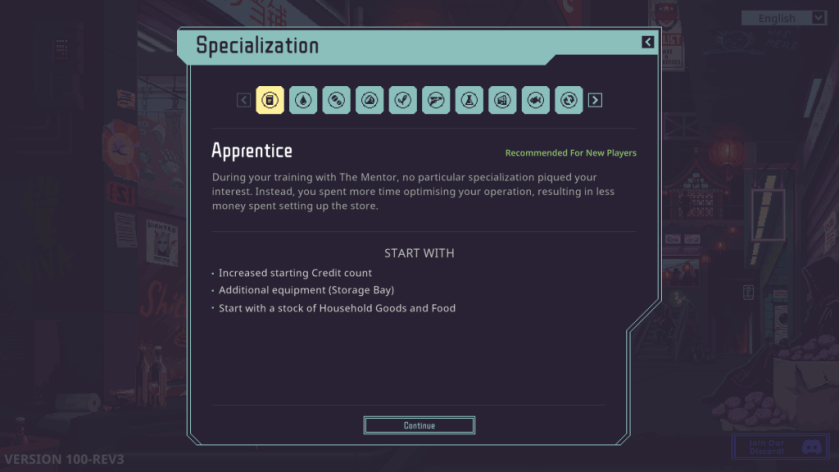
How do I start in Probably Stolen?
Start by choosing a Specialization and a Perk set that match how you want to play. If you want steady revenue and fewer surprises, pick Apprentice—it smooths the learning curve. The game prompts you through difficulty modifiers; I recommend easing in until you know how the customer roster behaves.
The first day is short, scripted, and forgiving—your mentor appears to set the tone. You’ll call customers with the green button near the recorder. Expect five interactions on day one; some customers sell food (safest flip), others sell oddities. One early customer is a named criminal—if you spot them, call the authorities immediately. That arrest is fixed and will not change your run, but missing it costs reputation.
How do I handle criminals and bounty targets?
Keep the criminal list visible and scan each client. When a notified target steps through your door, you can call the authorities—this is a decision that affects later encounters and NPC favors. A single call can remove a recurring problem or paint a target on your back; weigh reputation against short-term profit.
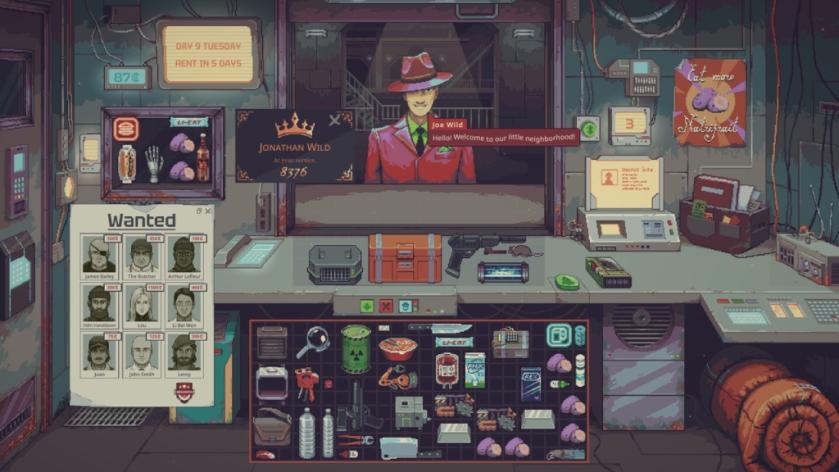
What should I buy first to make money?
On days with multiple customers, prioritize food and clearly discounted items. Not every sale is a winner—some discounted goods are traps—but over time you will go green if you favor perishable and consumable goods. Use the magnifying glass the mentor teaches you to check for defects; small discrepancies can erase your margin in a heartbeat.
Day 1: Five customers. Mentor appears. Buy foods and cheap consumables. Call out the fixed criminal when they arrive.
Day 2: Four customers. This day opens access to the Dumping Ground—run all your attempts and pick the most valuable salvage. Treat the Dumping Ground like a bargain bin on steroids: valuable finds are rare but transformative for inventory.
Day 3: Six customers, including mentor. Use the magnifier to detect defects and reduce returns. The magnifier is a small tool with outsized returns if you use it on higher-priced items.
Day 4: The labeler appears. You can fix superficial counterfeit tags to raise value—use it sparingly; over-labeling changes how NPCs react to your shop. I encountered one of the six listed criminals and called the authorities again.
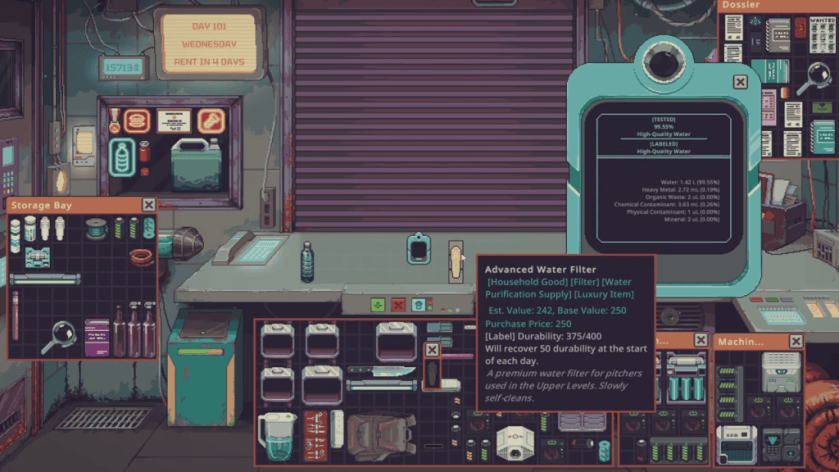
Day 5: You gain the display case. Place a curated mix: one high-ticket curiosity, a couple of reliable consumables, and a bargain to lure foot traffic. The display shapes who visits—an eclectic case invites a varied crowd.
Day 6: Slow day or a day of bargains depending on RNG. If you have credits, don’t be shy—spend around 10 USD (€9) on a single premium item if it fills a niche in your case; that investment often pays back twice over when the right NPC appears.
Day 7: The week’s busiest day. You meet Wild and learn about Wild’s Favours—upgrades that change playstyle. Choose favors that support your inventory strategy: more checks, cheaper repairs, or better vendor pulls. Your selection now sets the tempo for week two.
Small decisions compound fast. I’ve watched a single missed inspection turn a profitable day into a loss, and I’ve watched a well-timed call to authorities close off a threat for several runs. The shop is not just a storefront; it pays to think like a detective.
Pro tip: follow community threads on Steam and coverage from outlets like Moyens I/O for image-based examples and save-file strategies; the Beehiiv embed below collects ongoing notes and saves that players share.
Every choice in week one radiates outward—how will you balance profit, reputation, and risk in the week ahead?