We sat at a cafe and watched a conversation sputter to life — then die — when two people discovered their messages had been assembled by the same AI. I remember the exact moment the air went thin: laughter replaced by an awkward scan for authenticity. You felt it too, that sudden awareness that something intimate might have been outsourced.
I write about technology and human behavior, and I want you to keep one simple thing in mind: this isn’t just a new feature on an app. It’s a new job description for modern romance — and you may already be doing the work.
At a San Francisco singles event, people handed out startup-style pitch decks
Reporters from the New York Times watched founders treating first dates like investor meetings: slides, timelines, elevator pitches. You can laugh, but the scene is revealing — dating has absorbed office practices so thoroughly that flirting now needs a slide deck and a KPI.
Joe Berusch summed it up: “A.I. has made many of the chores of adult life so frictionless that people expect dating to work the same way.” I agree — and I’d add one thought: dating now feels like a cubicle farm where chemistry clocks in for the morning standup.
On a British survey, two-thirds of Gen-Z daters said they’d used AI
Match Group polled 3,000 British singles and found 39% of respondents had used AI tools in their dating lives; among Gen-Z, that number jumps to 66%. If the U.K. is even close to what’s happening elsewhere, everyone under 30 is encountering AI in their romantic lives.
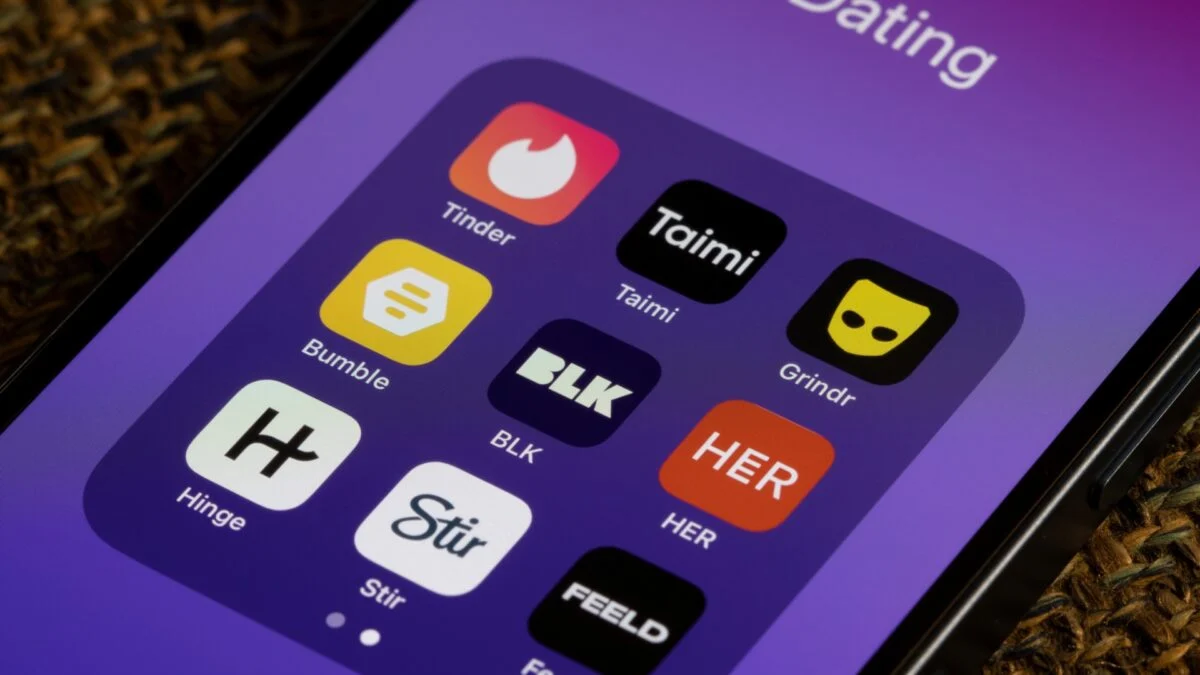
Match Group — the company behind Tinder, Hinge, OkCupid and others — says it takes a firm stance on authentic human connection. Yoel Roth, Match’s head of trust and safety, told the Guardian that having robots talk to each other doesn’t make people closer. That sounds good on paper; in practice, apps like Tinder and Grindr already lean on machine learning for matchmaking, content moderation, and discoverability.
How common is AI use in dating?
Short answer: rising fast. Between built-in recommendation engines and third-party chat assistants like Claude, people are automating messages, testing templates, and A/B testing flirtation. That’s not theoretical — it’s measurable behavior that changes expectations about time, effort, and what counts as “authentic.”
A man told the Guardian, “Two ‘Claudes were probably just chatting away behind the scenes”
He met someone who looked nothing like the profile pictures the AI complained about, only to learn they’d both used Claude to craft messages. The surreal image stuck: two virtual interlocutors ghostwriting what they called a relationship.
Matchmakers in tech hubs are reacting the way product managers react to bad UX. Joyce Zhang coaches clients to treat the dating pool as a “top of funnel” and dates as conversion tests, then tries to teach them how to trust intuition again. Messages have become mirrors in a funhouse — distorted versions of what people might actually say to each other.
Is AI ruining dating?
It depends what you want. If you want frictionless logistics — curated openings, polished replies, fewer wasted drinks — AI helps. If you want messy human unpredictability, it can erode the raw edges that spark real connection. The real threat is not a single app doing harm; it’s an ecosystem that normalizes automated courtship.
Older singles report AI as a labor-saving tool and a surprise facilitator
A 51-year-old told the Guardian that AI pushed him to meet someone who turned out to be “drop-dead gorgeous,” contradicting the assistant’s critique of her photos. Sometimes the technology nudges you into better choices; sometimes it manufactures compatibility.
That ambiguity is why platforms and regulators matter. Firms like OpenAI and Anthropic (the maker of Claude) are building assistants people trust, while companies such as Match Group must decide whether to police user-side automation or accept it as part of product behavior. You should care because those decisions determine whether dating stays a human-to-human act or becomes a managed workflow run by bots and metrics.
Are dating apps already using AI?
Yes. From swipe-ranked feeds to safety moderation, AI is baked into the product layer. What’s new is user-facing automation: people bringing third-party models into conversations. That shift moves the work of courting from the person to a script, and scripts can be optimized to convert — not to love.
I’m not arguing for technophobia; I’m asking you to notice the incentives. When matchmaking is measured as conversion, when first dates are framed as KPIs, and when message drafts can be outsourced, what human skills do we stop practicing? Who gets hired to feel?

If dating becomes a role you play at work — scheduled, optimized, and reported — who will be left to take the risk of being awkward and honest?