
I crawled into an amethyst geode expecting shiny shards and walked out with a slab of something that made my builds sing. You probably pass calcite deposits and shrug—until you place a single block and everything clicks. That moment when a plain wall becomes cathedral-bright is the kind of small victory I want you to feel.
Geodes hide a white middle layer — Where to Get Calcite in Minecraft
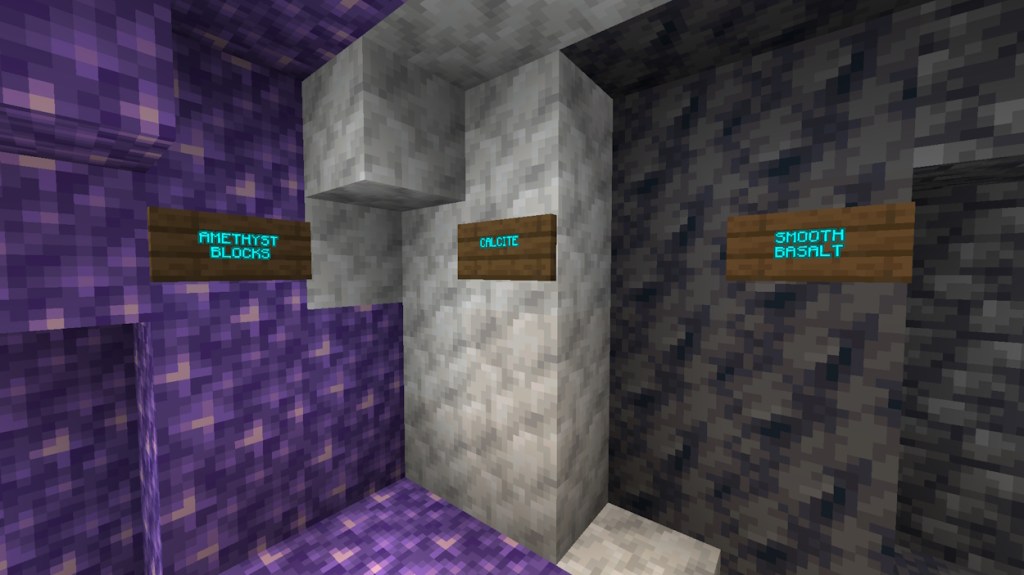
You’ll find calcite in a few predictable spots once you know where to look. It’s not rare like diamond, but it’s not planted on every hill either. With Minecraft 26.4 (the winter update), calcite’s footprint expanded—so your search just got easier.
| Location | Generation | Best Way to Collect |
|---|---|---|
| Amethyst Geodes | Middle layer between Smooth Basalt and Amethyst | Explore the underground geodes |
| Stony Peaks | Exposed patches across the mountainous terrain | Mine on the mountain surfaces using your pickaxe |
| Ice Caves | Natural deposits inside the Ice Caves of Minecraft | Explore the caves |
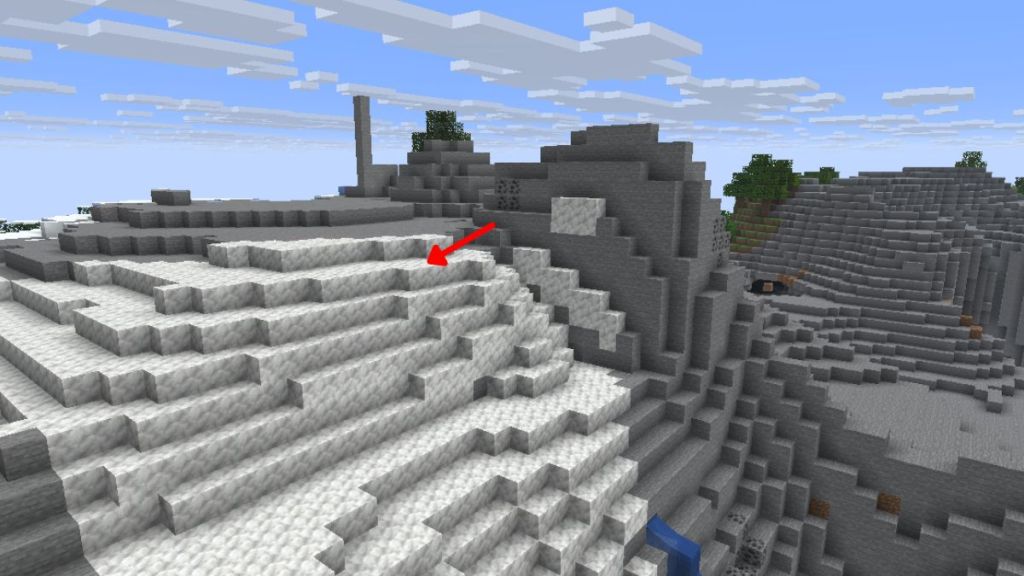
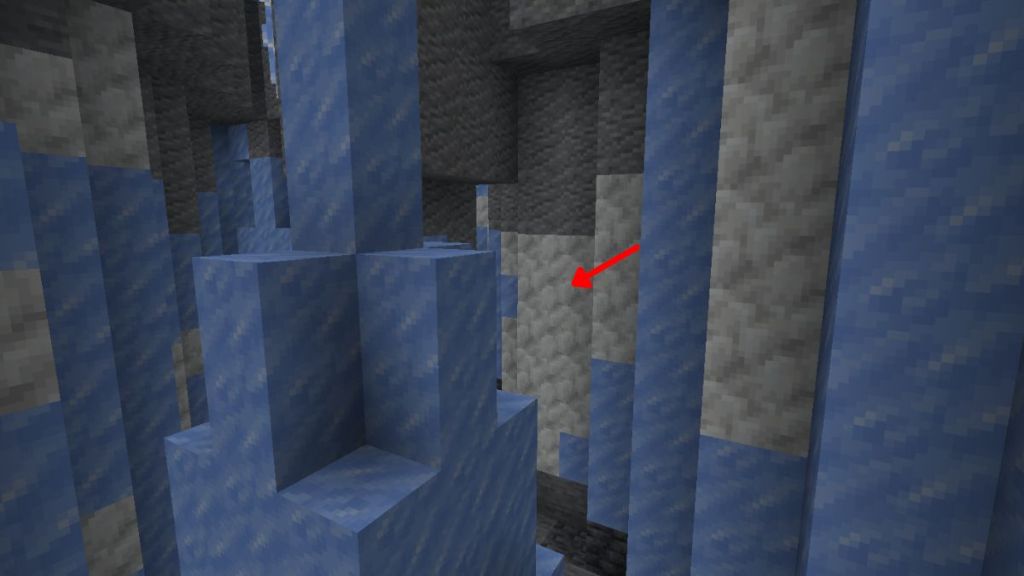
Where is calcite found in Minecraft?
Calcite appears naturally inside amethyst geodes (it forms the middle layer), in exposed veins across Stony Peaks, and in Ice Caves after the 26.4 update. If you use the Minecraft Wiki or tools like Amidst or Chunkbase, you can pinpoint biomes and speed up your search.
Any pickaxe will do the job — How to Mine Calcite in Minecraft
Here’s a small rule you can bank on: calcite drops itself only when mined with a pickaxe. I tested this across Java and Bedrock—your hand breaks the block but yields nothing.
- Grab any pickaxe you have—wood, stone, iron, diamond, or netherite will all work.
- Mine the calcite block and collect the drop.
- No Silk Touch required; the block drops as-is.
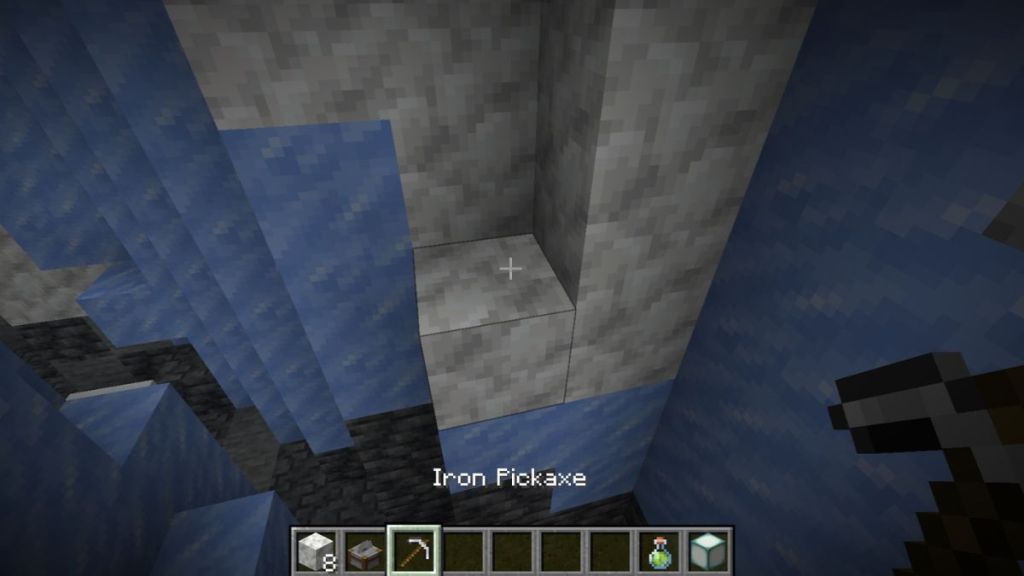
Can you mine calcite with any pickaxe?
Yes. Any pickaxe will drop the calcite block. Use better tools to mine faster, but you don’t need Silk Touch or fortune to collect it.
Builders love predictable recipes — How to Make Calcite Block Variants in Minecraft
When a block has clean recipes, it becomes a building staple. Calcite is that kind of resource: straightforward, bright, and versatile.
From Minecraft’s crafting table or the Stonecutter you can get these variants:
- Calcite Pillar: Stack 2 calcite blocks vertically in the Crafting Table.
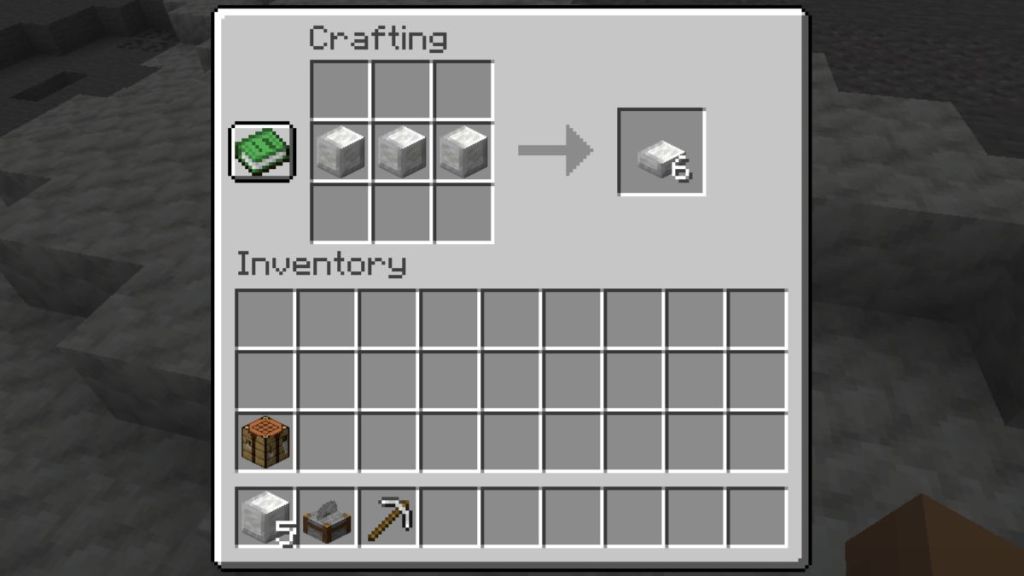
- Calcite Slab: Place 3 calcite blocks in a single row on the crafting grid.
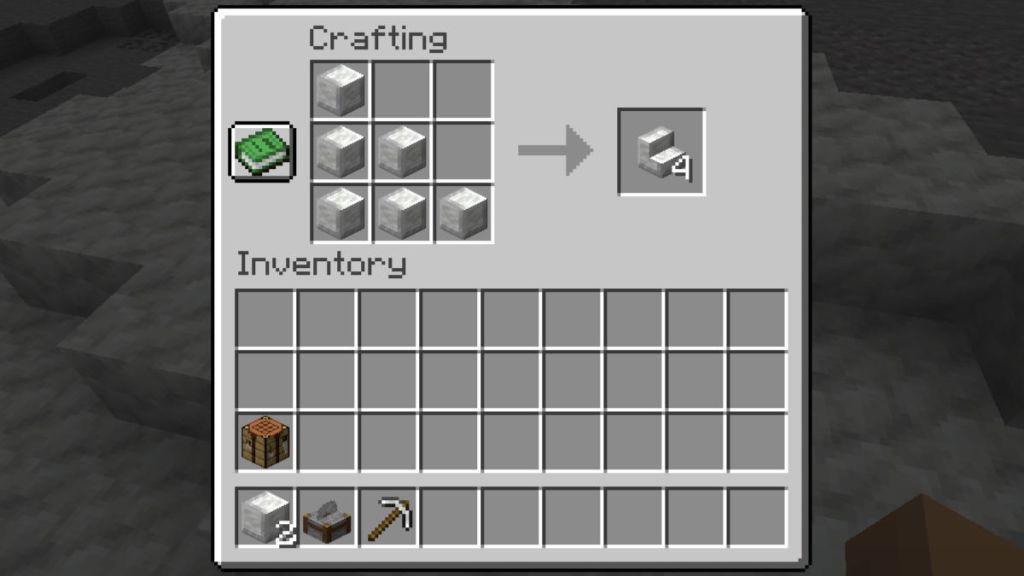
- Calcite Stairs: Use the standard stair pattern with 6 blocks.
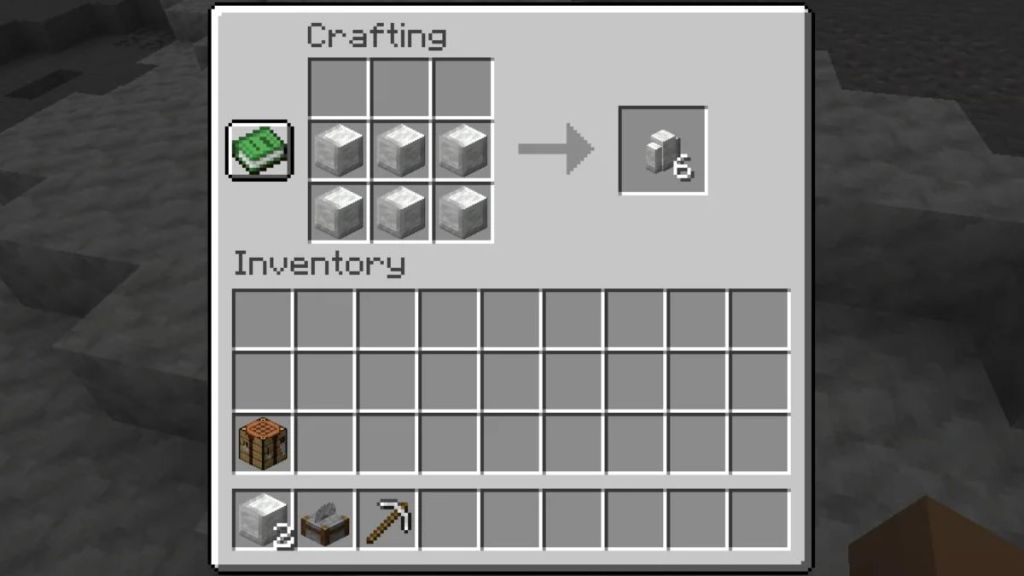
- Calcite Wall: Fill two adjacent rows with 6 blocks.


If crafting feels grindy, the Stonecutter (an official in-game tool) turns one block into many variants without wasting resources. I use it to prototype elevations and finishes fast.
What can you craft with calcite?
Calcite becomes pillars, slabs, stairs, and walls. From there you can polish it into Polished Calcite and craft bricks—again, the Stonecutter will save time and inventory space.
Polish changes texture and mood — How to Make Polished Calcite in Minecraft
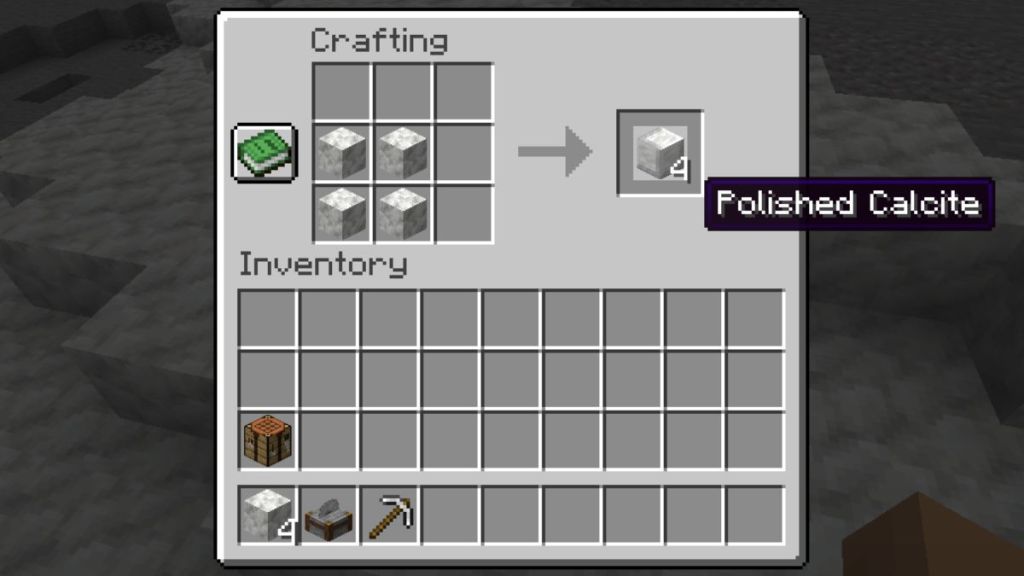
Polished Calcite smooths the rough flecks and gives you a tile-ready surface. That finish is perfect when you want interiors that read bright without glare.
- Place 4 calcite blocks in a 2×2 grid on the Crafting Table.
- Collect the Polished Calcite and use the Stonecutter to produce slabs, stairs, and walls.
Small pattern, big effect — How to Make Polished Calcite Bricks in Minecraft
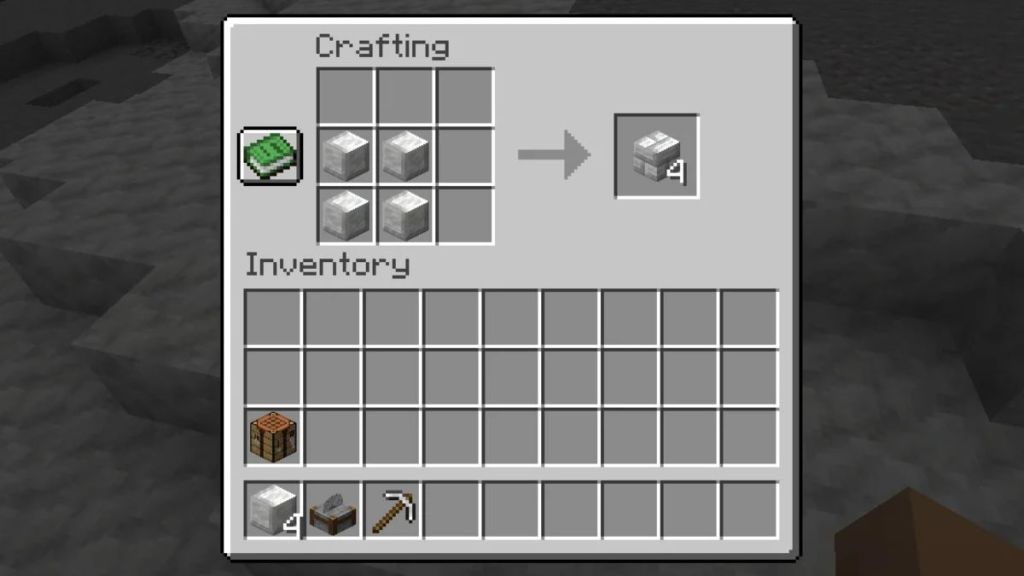
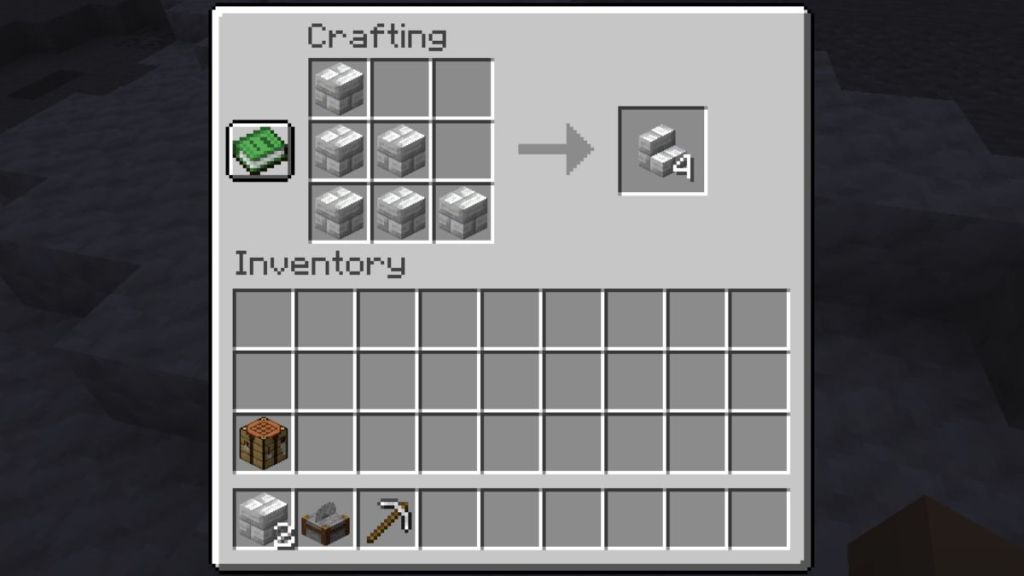
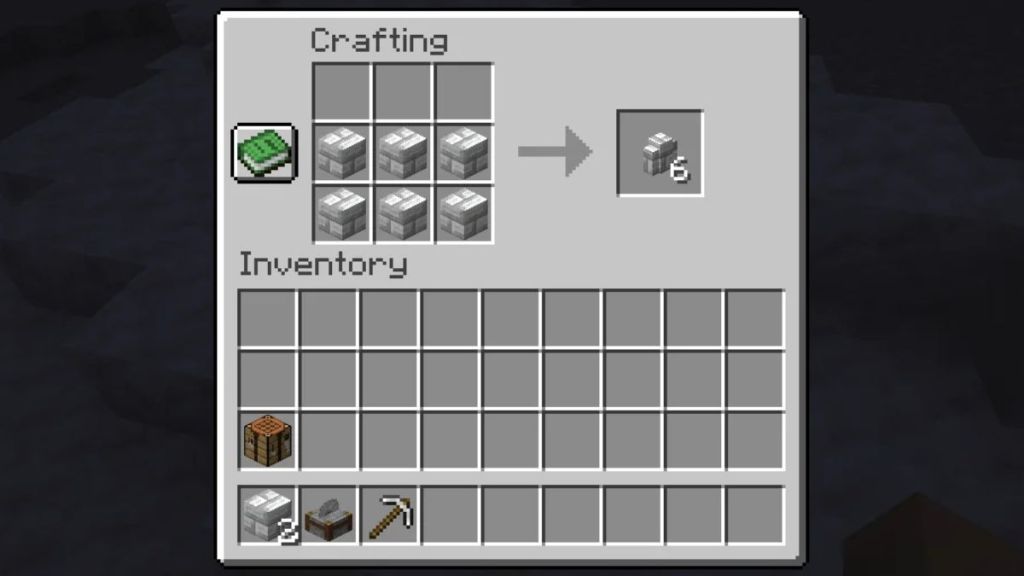
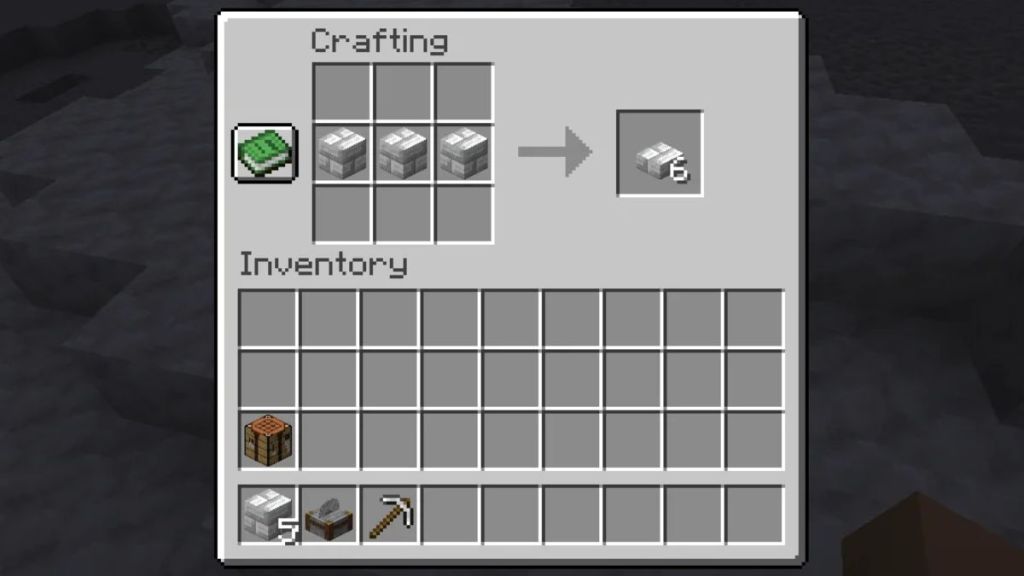
Four polished blocks arranged the usual 2×2 will yield polished calcite bricks—then use the Stonecutter to craft slabs, stairs, and walls. The brick texture reads architectural; it’s a subtle way to add rhythm to façades.
- Place 4 Polished Calcite blocks in a 2×2 grid on the Crafting Table.
- Collect Polished Calcite Bricks and use the Stonecutter for variants.
White blocks change the mood — All Uses of Calcite in Minecraft
One small tile can shift an entire palette. Calcite’s brightness pairs exceptionally well with darker blocks like Polished Deepslate, Blackstone, or basalt—contrast is your friend when aiming for modern or classical vibes.
- Modern houses: Use Polished Calcite and slabs for clean floors and hallways that read like real-world marble — like porcelain tiles washed in moonlight.
- Architectural detail: Pillars, brick patterns, and walls introduce rhythm without adding color noise; think of calcite as a neutral frame you layer around focal blocks.
- Sulfur Cube interaction: Feeding calcite blocks to a Sulfur Cube will change its archetype to the slow, bouncy variant.
I recommend bookmarking the Minecraft Wiki and following Mojang Studios’ snapshots if you track new block behaviors across Java and Bedrock. Use the Stonecutter for fast iteration and tools like Amidst for biome scouting.
So—are you going to let calcite sit in a chest, or will you refinish your base with the brightest tile in the game?