
I refreshed the Sony earnings call while scrolling a forum full of angry memes. You had rows of “no disc, no buy” posts and a hope that dollars might force a policy U-turn. I closed the tab with a clearer feeling: the numbers are louder than the outrage.
Here’s what I learned so you can decide whether your boycott will matter or just fizzle into the comments stream.
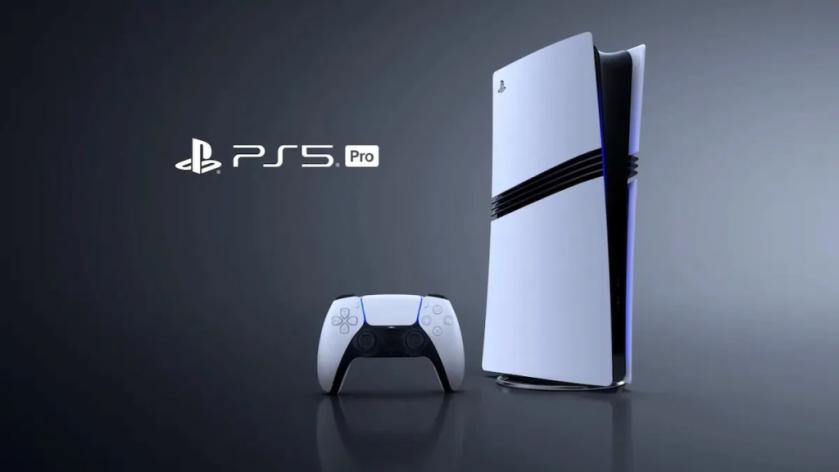
On forums I watched rows of “no disc, no buy” messages circle like a ritual. The earnings show why that ritual might not move Sony.
You can feel righteous and loud in comment threads, but the PlayStation division’s Q2 fiscal 2027 report (July–September) tells a different story. Operating income jumped 83 percent year over year. That’s not a small wobble — it’s a business signal that shareholders and executives pay attention to.
Software sales rose 10 percent, first-party game revenue climbed 30 percent, and game & network services increased 9 percent. PSN monthly active users expanded from 119 million to 127 million, which is hard to ignore if you’re balancing recurring revenue and subscription metrics for PlayStation.
Will Sony reverse the no-disc decision?
I’ll be blunt: companies change policy when money shifts direction. You and I both saw the July announcement about ending physical discs in 2028 spark fury, but the Q2 numbers show Sony’s gaming arm adding profit, not bleeding it. If profits don’t wobble, executives have little incentive to reverse course — and right now Sony’s gaming unit is doing exactly what boards want: grow margin and engagement.
At a store counter I heard a clerk say consoles were quieter this season than last. The hardware picture complicates the narrative.
Hardware revenue fell 35 percent year over year. That matters because consoles age and demand naturally softens ahead of a new cycle. Prices across tech have risen, and some players will still buy ahead of blockbuster launches like Grand Theft Auto 6 and Marvel’s Wolverine — the latter has sold 2.4 million copies, according to Sony.
So yes, fewer consoles moved in that quarter, but more money came from software and services. The comment section is a battlefield. If you’re picking where to spend your energy, that fact matters.
Are PS5 sales collapsing?
Not collapsing, declining. Sony reported 98 million PS5 units sold as of September 30 — that places the console among the best-selling machines in history, between the PS3 and Nintendo Wii, but still behind the PS4’s 117 million and the PS2’s 160 million. The install base is substantial, even if unit velocity slows as the generation ages.
I asked a friend if he’d boycott and he paused before answering. The pause is where influence lives.
Boycotts require coordination and scale. Sony raised its gaming sales forecast by 6 percent for the next quarter after these results. From an investor or executive lens, that signal says the strategy is working: recurring revenue, strong first-party sales, and rising PSN engagement cushion hardware dips.
Sony’s balance sheet is a fortress. That doesn’t make consumer anger irrelevant, but it does make it harder to bend corporate strategy with social media alone.
Can gamers change Sony’s strategy?
You can influence choices by shifting where you spend and by organizing purchasing decisions — but influence needs measurable effect on revenue. If you want to change Sony’s calculus, look at platforms that move the needle: PlayStation Store trends, subscription churn on PS Plus, and pre-order cancellations at major retailers like Best Buy, GameStop, Amazon, or direct digital storefronts. Those are the levers companies watch.
I’m not telling you to stop protesting; I’m saying be strategic about it. Will your actions hit the financial lever that matters enough to force a rethink?