
I was watching a NoPixel V stream at 2 a.m. when a traffic stop spiralled into a rooftop standoff and the chat exploded. For a moment the city felt less like Rockstar’s map and more like someone else’s design—messy, brilliant, dangerously possible. That flash changed how I think about what GTA 6’s online world could actually become.
I’ve spent years covering how communities bend AAA games into new shapes. You know the pattern: developers ship a dense playground, players invent rules, and a few creators push so far the original game starts to look like one version among many. NoPixel V doesn’t just adapt GTA V — it remodels it, and that remodeling points straight at a future where player-made worlds matter as much as developer-made ones.
Roblox proved that a single platform can host hundreds of different games
On any evening you can find millions building fashion shows, pirate RPGs, and social towns inside Roblox.
Roblox stopped being a single title years ago. It became a scaffolding for other designers: Blox Fruits acts like a full action RPG; Brookhaven runs as a persistent social space; Dress to Impress turns the engine into a stage for player taste. The takeaway is simple and sharp — give creators freedom and they’ll stop treating your product as one fixed experience.
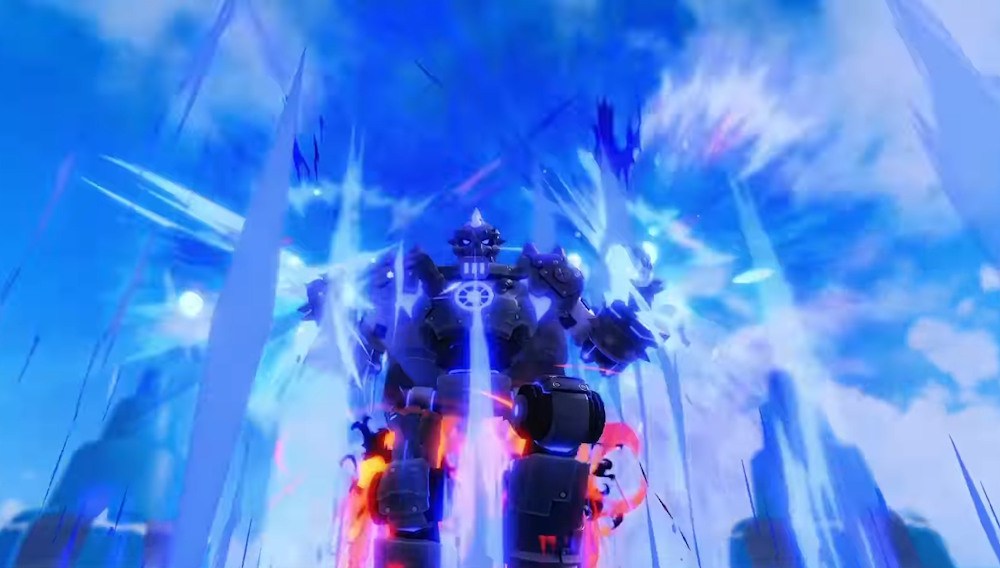
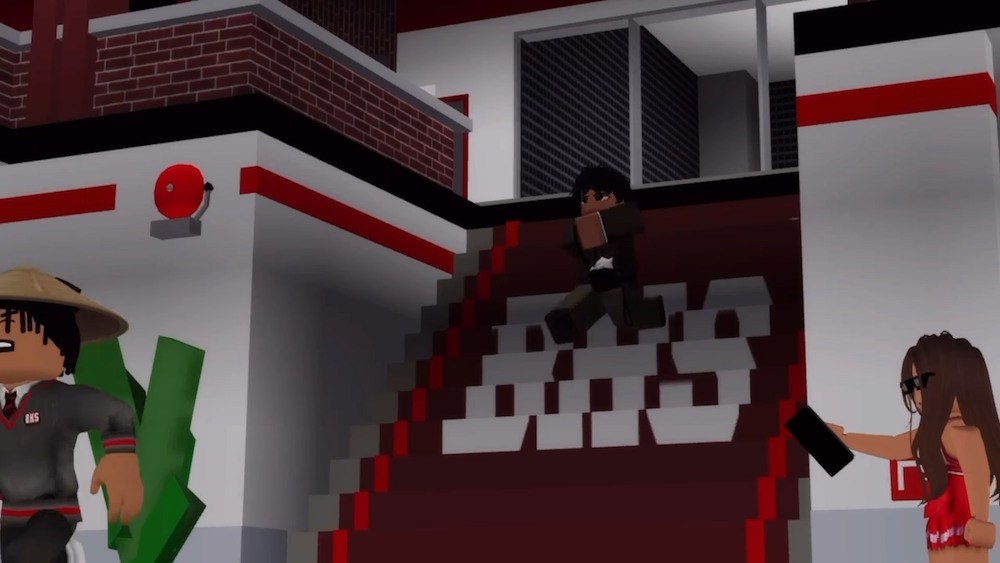
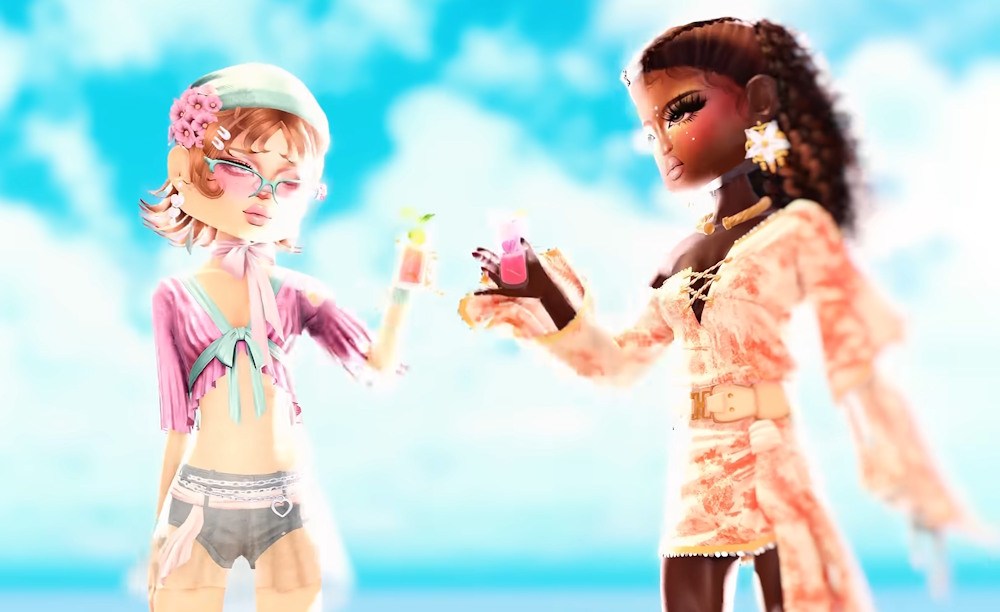
Some of those creator-made experiences command audiences the size of standalone blockbusters: Blox Fruits has logged more than 64 billion visits, and title peaks in Roblox have hit tens of millions of concurrent users. The lesson for Rockstar is plain — players will follow the experience, not the package name on the store page.
GTA Online had all the parts, then mostly kept players inside Rockstar’s blueprint
I remember how GTA Online launched: players crowded into apartments, tested character customization, and queued for races and heists.
Rockstar built a detailed city and handed players tools — but they were often cosmetic or surface-level. For years you could change outfits, buy properties, run creator-made races and missions, yet the deeper systems that define the city stayed under Rockstar’s control. When platform tools arrived, they expanded options; they didn’t hand over the engine.
That gap is why PC projects like FiveM and NoPixel mattered. They bridged what Rockstar left closed. When communities accessed deeper systems, they rewired the entire experience.
NoPixel V pushed that rewiring hard. The team rebuilt map sections, added districts, created interiors, and shipped more than 1,000 ownable properties. They rewired character creation, added 150+ hairstyles and hundreds of clothing items, and rebuilt core interfaces instead of merely reskinning them. What the community made looked and behaved like a different game built on familiar bones.
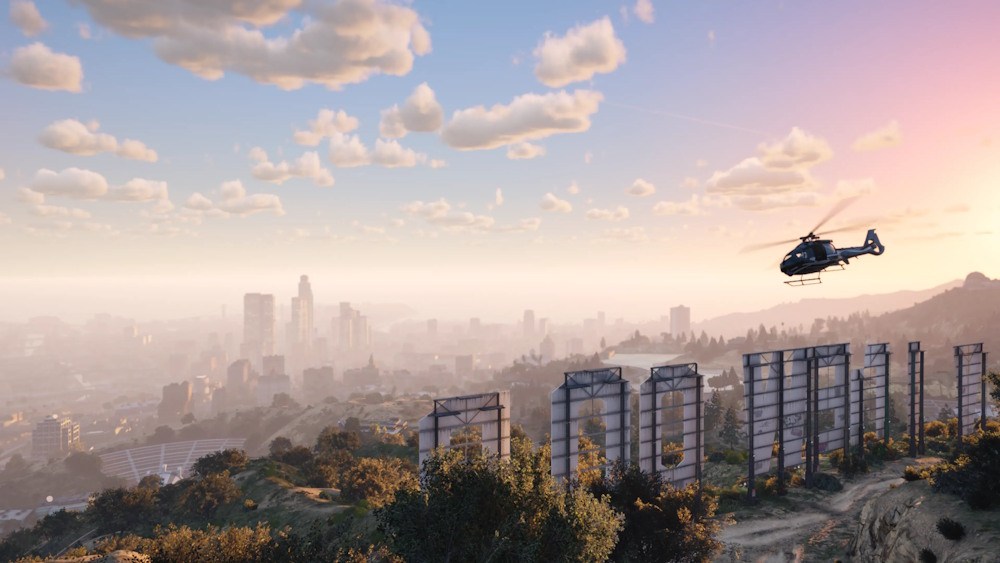
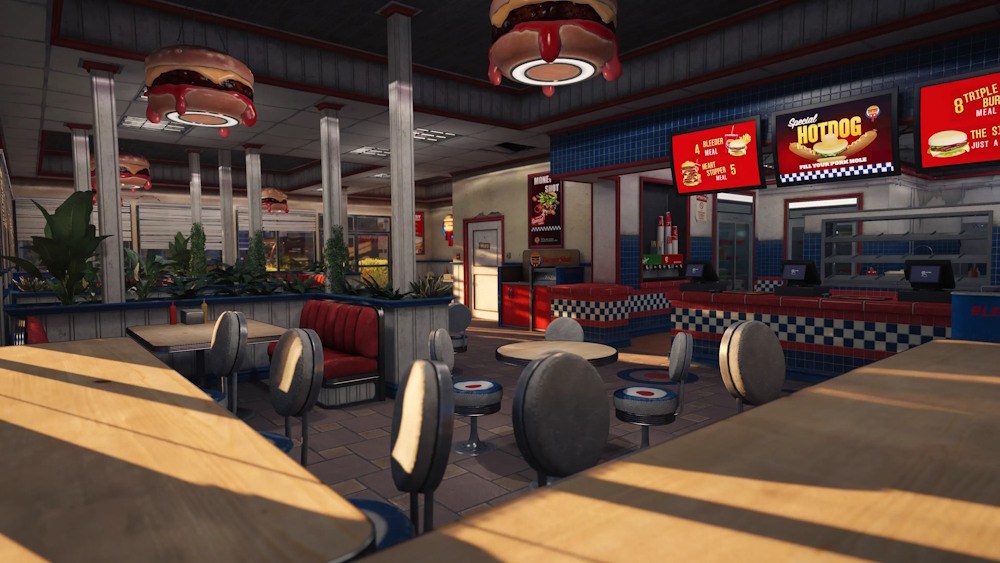
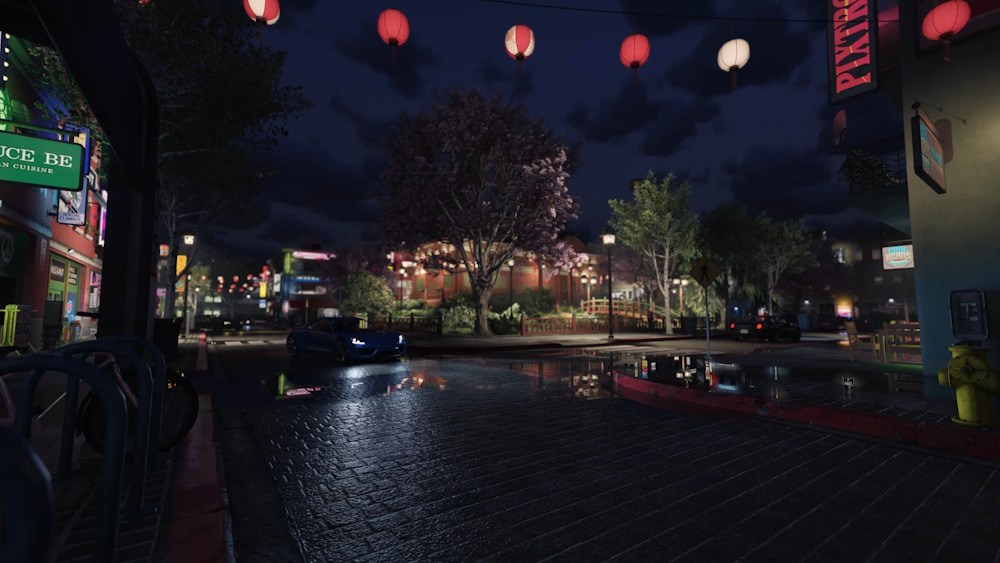
Rockstar eventually embraced some of that community work — even inviting players into a closed NoPixel V beta through the Rockstar Games Launcher and hiring the Cfx team behind FiveM and RedM. That’s corporate recognition that player-driven ecosystems do real work expanding a game’s life.
NoPixel V reads like GTA 5.5 for a reason
The first time I entered NoPixel V I felt the map had been opened up and refurnished.
NoPixel V did more than add props; it reconstructed systems. Character creation, inventory, map layout, properties — the team remade interfaces and rules rather than rewrapping the originals. The result feels familiar but different in a way that makes you re-learn how to play.
Rockstar’s formal nod to NoPixel V matters because it proves those experiments are visible to the studio, not invisible hacks under the carpet. If creators can redefine core systems in GTA V, imagine what they might do when Rockstar ships GTA 6 with deeper native simulation already baked in.
Will GTA 6 support custom servers and mod-like experiences?
Short answer: probably in a controlled form. Rockstar has shown openness to creator communities by bringing Cfx inside and supporting selected NoPixel testing. Full, free-form servers like FiveM carry moderation and legal risks; a balanced approach would offer robust tools but keep some controls server-side.
GTA 6 UGC could push NoPixel’s idea much further
Reporters and datamines have circulated rumors of creator tools for GTA 6, and that’s the real-world signal here.
I don’t expect Rockstar to hand out the entire RAGE engine with no guardrails. What makes more sense — and what the industry is already testing — is a sandbox with fences: powerful creation tools plus rules, moderation tools, and curated discovery. Creators could script new mission systems, run custom economies, design interiors, and build persistent roleplay mechanics without rebuilding basic life simulation from scratch.
NoPixel V is a chisel in the hands of a sculptor. If GTA 6 ships native systems for diet, sleep, stress, police AI that tracks clothing and vehicles, and persistent criminal profiles — as Rockstar’s Extended Look suggests — creators won’t have to recreate those mechanics. They can focus on shaping new experiences on top of a richer base.
Can players earn money from their GTA 6 creations?
There’s precedent in the industry. Epic has paid more than $1 billion (€930 million) to third-party Fortnite creators and publishers, building an ecosystem with publishing, analytics, and revenue sharing. Rockstar could offer a smaller, curated program where creators share revenue through in-game marketplaces, official promotions, and publisher support — provided there are clear moderation and IP rules.
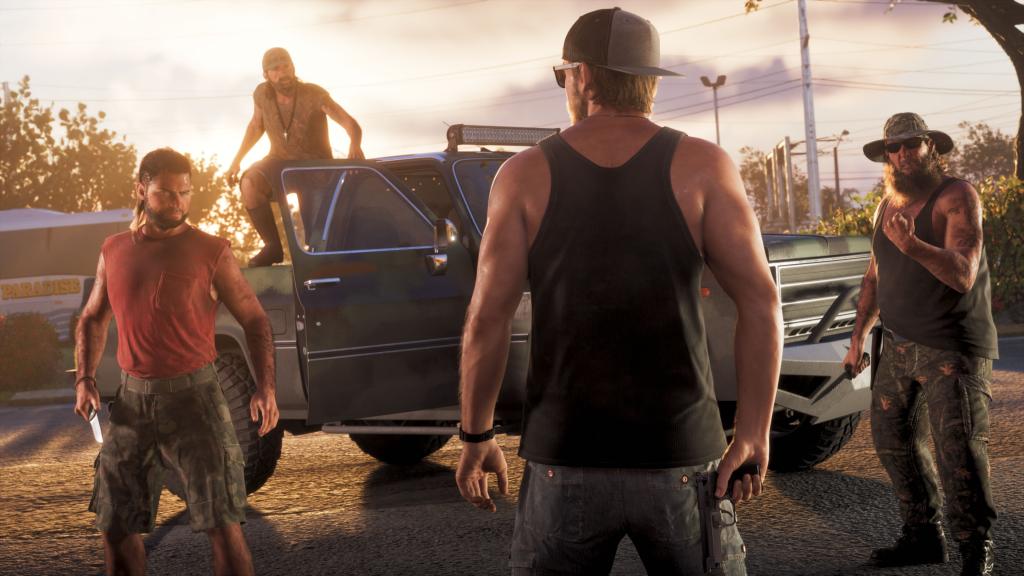
Rockstar has already watched what happens when players build the game
Rockstar hired the Cfx team and offered NoPixel V a formal channel — that’s a real, measurable change.
Epic’s investment in creators shows one path forward: infrastructure for publishing, analytics, discovery, and creator pay drives huge output. Rockstar doesn’t have to copy Fortnite’s economy to profit here, but the studio now understands the upside. Give talented players strong tools, highlight their work to a massive audience, and the community will produce ideas a traditional team cannot match at scale.
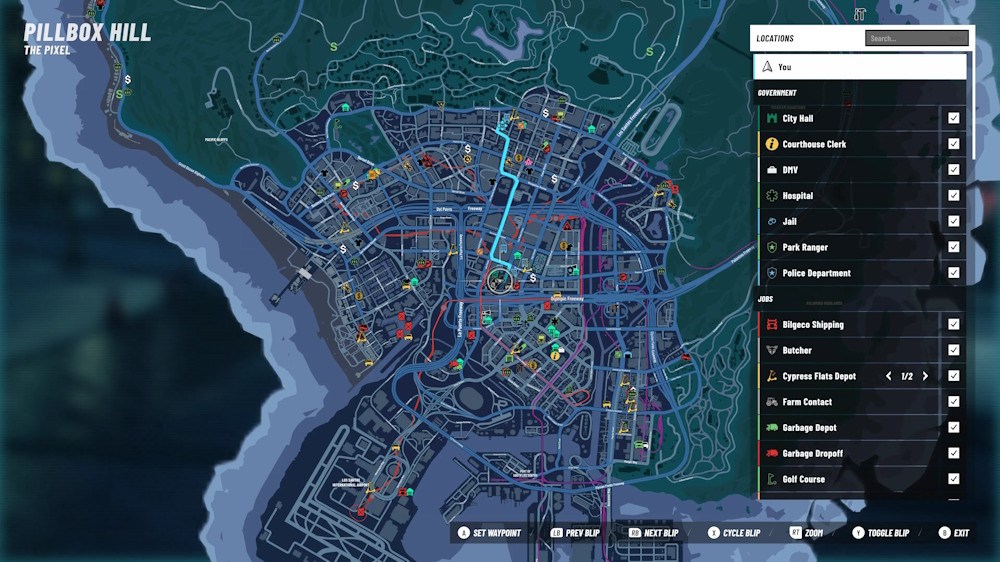
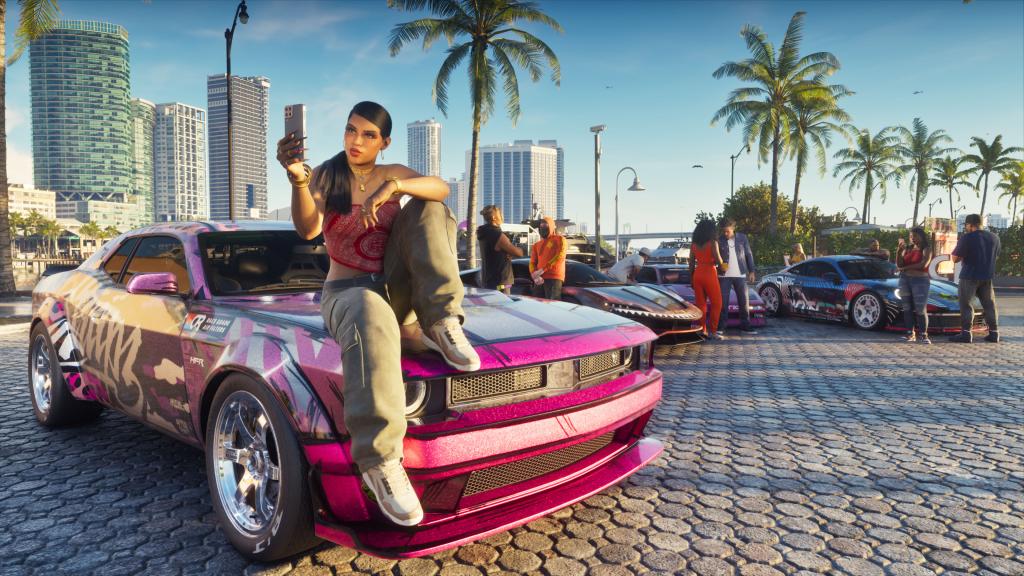
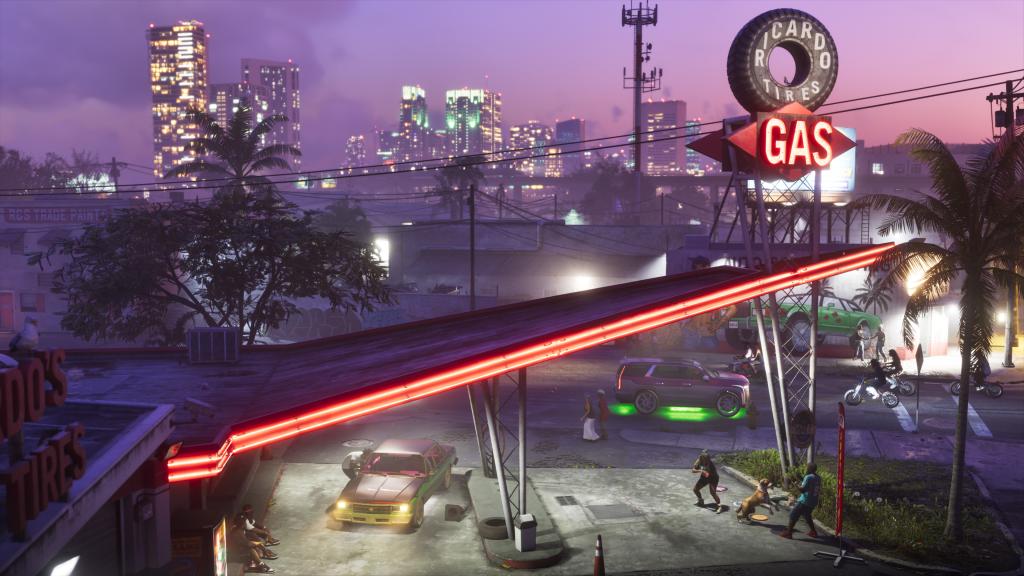
GTA 6’s Extended Look already signals a base simulation built for sustained roleplay: sleep, diet, stress, detailed police AI, customizable properties, persistent criminal data — these systems are prime tools for creators. With those primitives in place, creators can focus on transformation rather than rebuilding foundations.

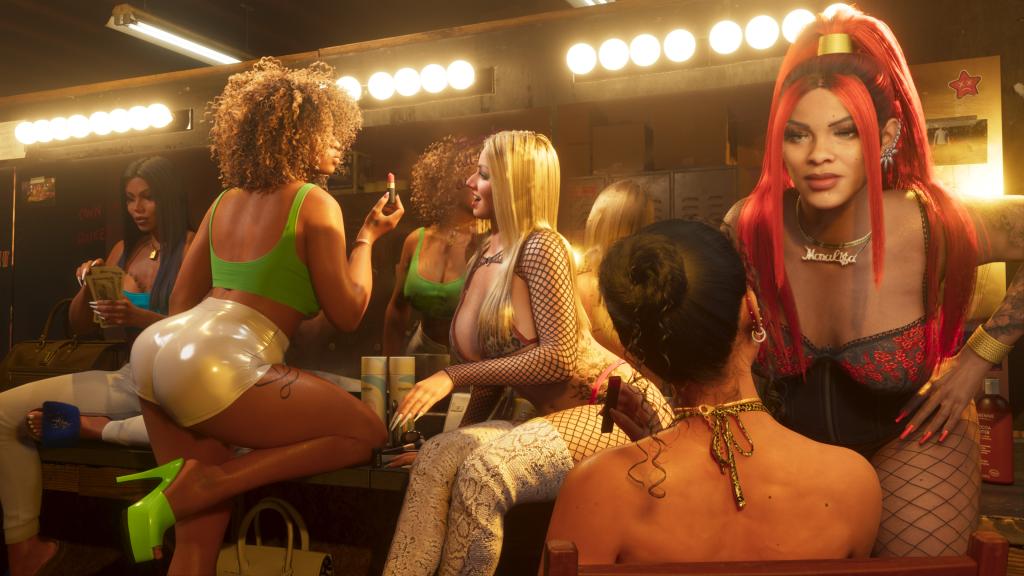
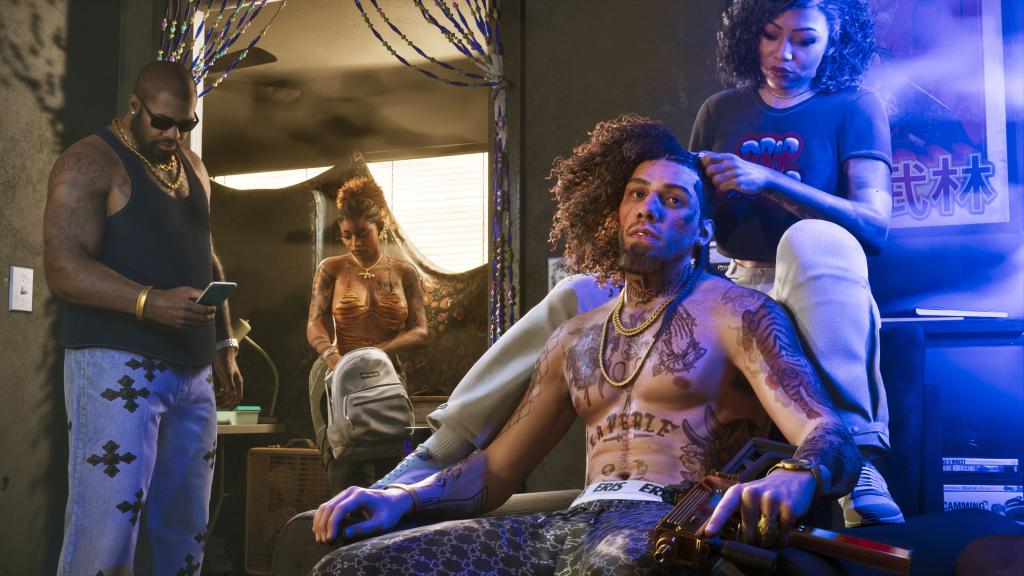
GTA 6 could become a platform for distinct experiences — a sci-fi RP city, a racing league with custom rules, a zombie survival layer built on the same map. The world would stay Rockstar’s property, but the reasons players return would increasingly come from creators’ experiments and communities.
GTA 6 could be a living workshop where stories are soldered into streets. If Rockstar gives creators even a fraction of NoPixel V’s freedom, UGC might not be an afterthought; it could be a main pillar of the game’s long-term life.
Rockstar has learned what happens when players are allowed to experiment. The studio sees the scale, the social glue, and the commercial models other platforms have proven. The question now is whether Rockstar will let creators reimagine its city on day one — with moderation, discovery, and a way to reward quality — or keep most of the levers behind its own doors.
Which future do you want GTA 6 to ship into: a tightly curated single-game experience, or a platform where the city can be rewritten by its players and their communities?