
We were on the Warner lot when a reporter asked Gunn, “Is Superman really happening?” He answered, offhand, on Threads, and the rumor collapsed into a clear fact. You could feel the access change in your hands like a warm coin suddenly gone cold.
I’ve watched fandom evolve for three decades, and you should know what this feels like: a director who talked back, who corrected rumors and argued with fans, has just left the corner office. James Gunn wasn’t just making movies—he was a direct line between creators and the people who care most. When that line goes quiet, you don’t just lose a boss; you lose a way to be heard.
Gunn was a lighthouse in a storm—a rare signal among the noise of X/Twitter, Threads, and the studio PR cycles. You could tweet, post, or reply, and sometimes you’d get an answer: a clarification, a tease, or a flat “nope.” That gave fans agency. It made the megacorp machine feel human. Now that intimacy is walking out the door.
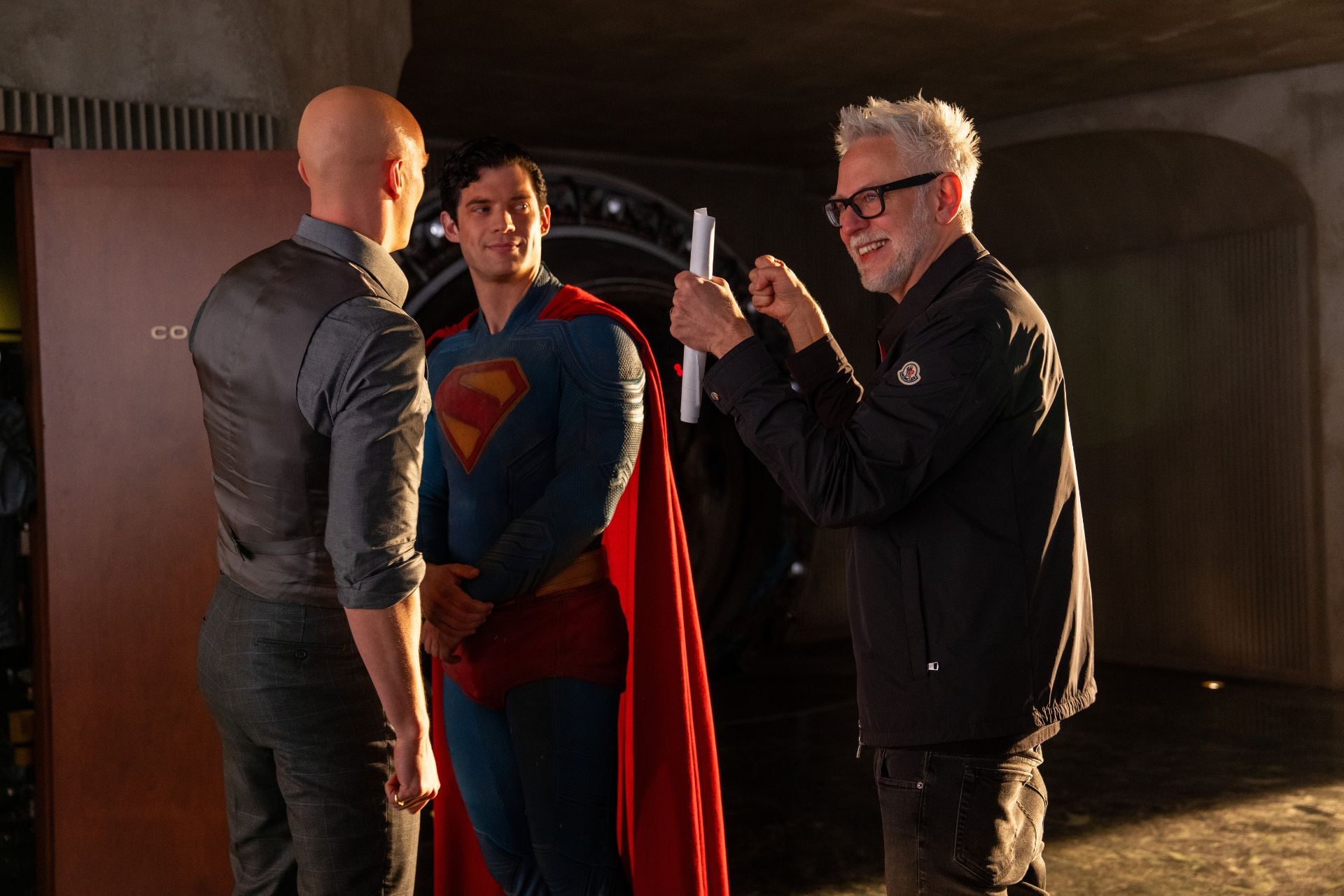
On Threads, Gunn still answered rumors — why his honesty mattered
I remember when Twitter still meant verification and direct replies; you felt like you were speaking to a human being. Gunn kept that habit alive on Threads and elsewhere, responding to casting whispers and criticizing press takes. For fans that meant fewer black boxes, fewer PR-safe non-answers, and a sense that the people steering these mythic properties could be accountable to the audience they serve.
That transparency didn’t only comfort superfans; it changed behavior inside the studio. When a director writes public notes, PR and executives must reckon with them. Gunn forced conversations into daylight. You don’t get that when the person with the keys goes silent.
Why did James Gunn leave DC Studios?
There isn’t a single leaked memo that reads like a plot twist. Publicly, Gunn moved to Skydance, and reports suggest creative and corporate priorities didn’t align. Studios weigh risk differently when tens or hundreds of millions are at stake—big tentpole films routinely carry budgets in the neighborhood of $200 million (€186 million) or more—and some new owners prefer closed-door control over public-facing honesty. I can tell you from sources and on-the-record sessions that honesty and openness don’t always sit well with board rooms.

At a Warner Bros. briefing, reporters were shown art — how that access changed reporting
I’ve sat in those Warner lot rooms where Gunn and Peter Safran walked journalists through plans and let us report what we saw. That level of openness makes journalism better. It turns rumors into stories you can trust, and it gives fans more reliable information to discuss.
When I spoke with io9 colleagues during those sessions, the difference was obvious: studios like Disney and Sony rarely let you poke the machinery. Gunn invited us in, and that invitation meant you, the fans, could follow the decisions that shaped the films you love.
Will James Gunn still work with DC?
Short answer: maybe, but it’s unlikely in the same capacity. Gunn will keep making films—his next projects at Skydance will get resources and a corporate environment that favors discretion. He may cameo in DC-related work as a director or producer, but the steady, public stewardship he provided at DC Studios is over. If a retcon or a major recast happens, you’ll likely hear about it through PR channels rather than a director’s quick Threads reply.
Jeremy Latcham has no social presence — what that means for fan complaints
You used to be able to tweet at the boss and get a reply. Now the person in charge, Jeremy Latcham, keeps a low public profile. That’s a real change.
When the executives running a shared universe are offline, the only feedback loop left is the slow, corporate one: focus groups, studio exec memos, and trade reporting. The velvet rope is dropping on public access, and that affects how quickly fans can push back against casting choices or creative shifts.
How will Gunn’s exit affect DC fans?
Fans lose more than a filmmaker; they lose a negotiator who would sometimes argue publicly for the audience’s taste. Without that voice, you get decisions that feel more opaque and less accountable. Studios still care about box office and brand health—Warner Bros., Skydance, Disney, Sony, Marvel—all of them watch metrics and social chatter—but the path from complaint to correction has narrowed. If you were used to asking a question and getting a direct answer, prepare to speak to a different kind of machine.
I’ll keep watching the feeds—X, Threads, and the trades—and I’ll tell you what I find. You deserve to know who’s making decisions about characters you care about, not just what a press release says, so who will hold the new bosses to account if fans can’t speak to them directly?